Our Insights
Understanding Your Child Better
Our Insights
Understanding Your Child Better
Our Blog

Self-Awareness Activities For Toddlers: Simple Play Ideas That Help Children Understand Themselves
Self-Awareness Activities For Toddlers: Simple Play Ideas That Help Children Understand Themselves
Deep reflection or talking through feelings is not how self-awareness looks like in children. Instead, it begins with simple early signs such as recognising body parts, expressing likes and dislikes, noticing familiar routines, reacting to emotions, and beginning to understand themselves in relation to other people.
When toddlers start to notice what they feel, what they want, what their body is doing, and how others respond, they begin building foundations for confidence and emotional development. With these simple play ideas, parents and educators can help children build this understanding easily.
What Does Self-Awareness Look Like In Toddlers?
By the second half of age two, children started to develop a sense of self, through simple recognition of the reflection in the mirror for example. Out of all self-awareness types, body recognition might come first: a child may point to their nose when asked, choose a favourite toy, to say “no” to something they do not want, or show frustration when they cannot do something on their own.

These are all part of early self-awareness. Toddlers are beginning to notice their feelings, preferences, actions, and routines. They are also starting to understand that they are separate from other people, while still learning how to regulate them later in life.
You can expect tantrums, frustration coming along as children still lack suitable tools to express their thought processes. They may notice feelings before they know how to manage them. With guidance, children can begin turning these early signals into valuable life skills, such as regulations and inner confidence.
Self-Awareness Activities For Toddlers That Are Easy To Play
Children will begin learning by identifying themselves through the mirror, from their appearance, face to their personal characteristics. Next is awareness of voice, how to express happy and sad emotions through the use of words and tone of voice. And finally, there will be the ability to express and control the child's actions in everyday situations such as when he is hungry or needs to go to the toilet.
Therefore, guiding children to "identify themselves" through simple activities is extremely important for their development at this stage.
Mirror Play
Mirror play is one of the simplest ways to support self-awareness in toddlers. You can sit with your child in front of a mirror and talk about what they see. Point to body parts, make simple facial expressions, or ask questions like “Where is your nose?” or “Can you show me a happy face?”
This kind of play helps toddlers connect words with their body, face, and expressions. It also supports recognition, early emotional language, and confidence as they begin to notice themselves more clearly.
Emotion Naming Through Stories and Playful Moments
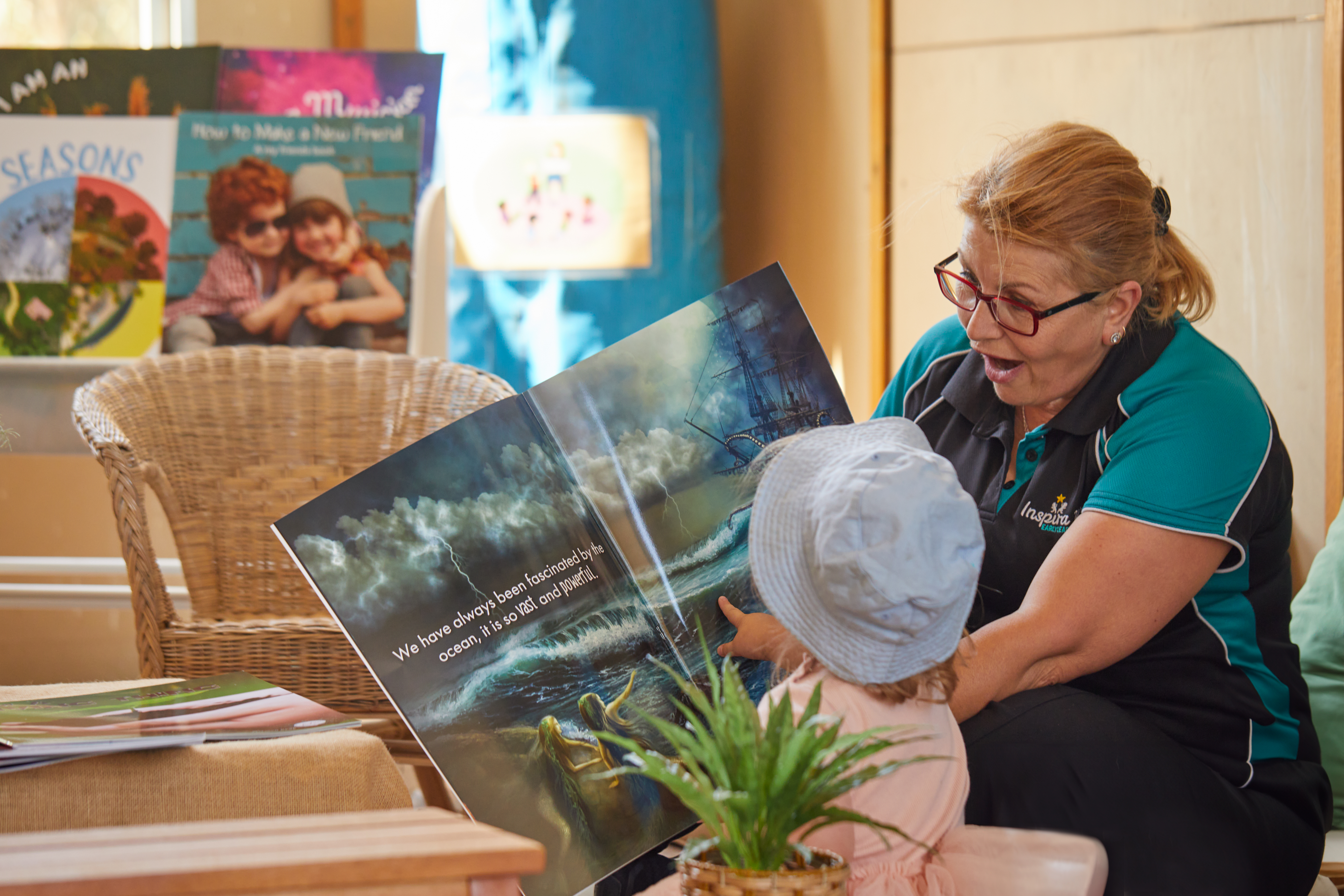
Toddlers often need gentle support to connect feelings with words. One helpful way to build this skill is through storybooks, pretend play, songs, or simple conversations during calm and playful moments.
For example, while reading a book, you might ask, “Do you think the bunny feels sad?” or “Which face looks happy?” During play, you might say, “The doll is crying. What do you think happened?” These kinds of questions help toddlers begin noticing emotions in a way that feels safe, simple, and age-appropriate.
Over time, some toddlers may start using simple feeling words, recognising emotions in books or pictures, or showing more understanding when adults talk about how someone feels.
Choice-Making Activities
Offering simple choices is a practical way to support judgment in everyday life. You might ask, “Do you want the blue cup or the yellow cup?” or “Would you like to read this book or that one?”. It might be small, but for children, knowing they can make their choices helps them understand themselves more.
Over time, parents may notice toddlers becoming verbally clear about what they like, showing more confidence in simple decisions.
Routine Reflection
Toddlers often feel more secure when they begin to understand what happens during the day. Simple reflection around routines can help build this awareness.
You might talk about what comes next during the morning, mention what happened after lunch, or use simple phrases such as “First we put on shoes, then we go outside.” It’s also a great idea to ask children what they want to do, or what routines they think work best for them. By this, we lay the groundwork for their understanding of themselves, differentiating with other children.
Over time, toddlers may start anticipating familiar steps, responding more calmly to routines, or showing more confidence during transitions.
“I Like / I Don’t Like” Conversations
Toddlers are often very ready to favourite communication styles, even before they have many words. At a young age, children might imitate others to blend in, that’s why forming conversations about what they prefer helps them realize who they are individually.
Familiar topics like favourite foods, preferred toys, colours, songs, or activities are great to start with. Keep the language simple and avoid turning it into a quiz. The goal is to help your child notice and express what feels familiar, enjoyable, or uncomfortable to them.
You don’t have to expect children to understand themselves, the goal of this game is to show children that they can have their opinions which sometimes are different to others.
Developing Self-Awareness With Inspira Kids
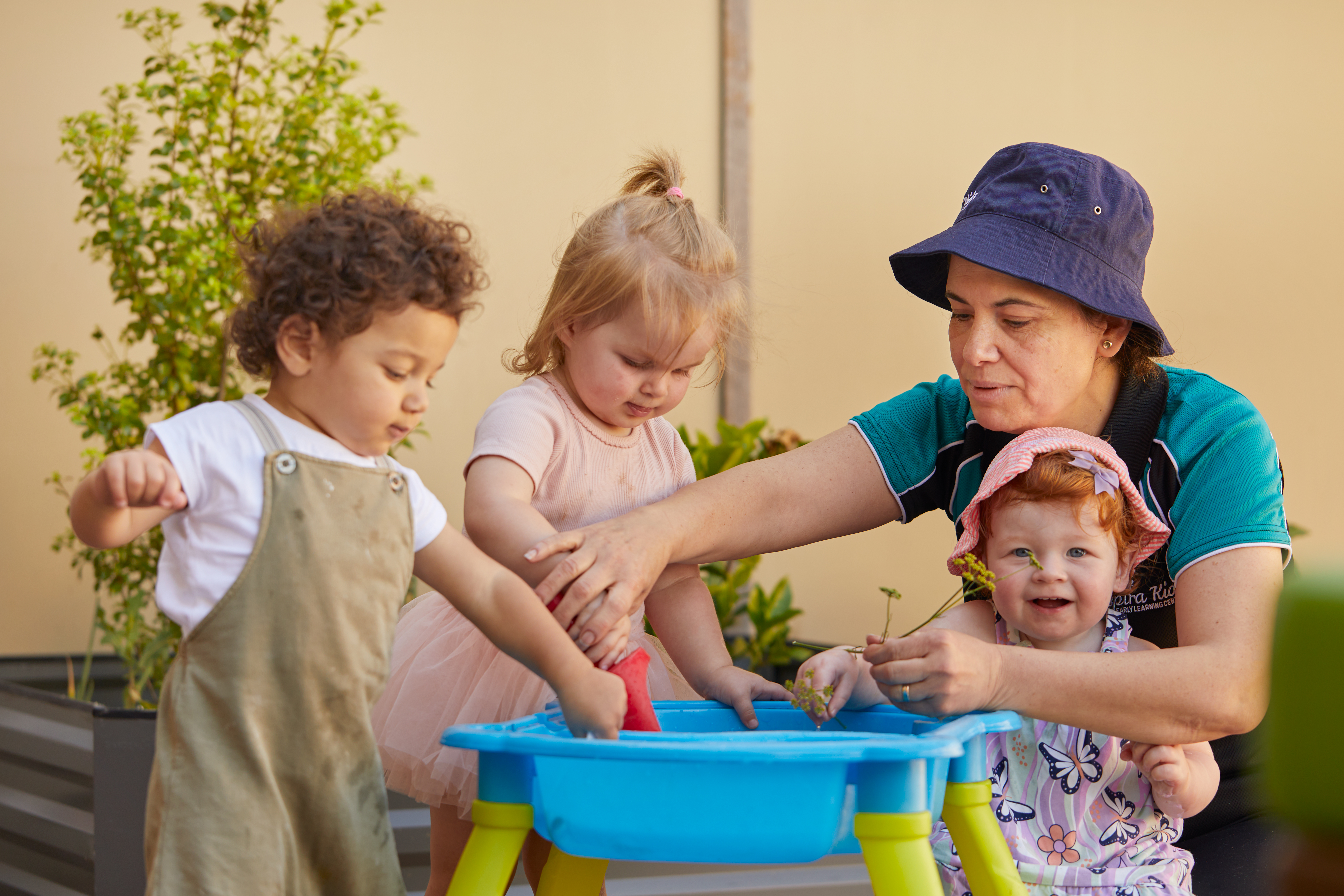
Self-awareness is an important part of early development because it helps toddlers begin to recognise their feelings, express simple needs, and take part more confidently in everyday routines and social interactions.
In an early learning environment like Inspira Kids, this matters because children are constantly learning how to manage transitions, join group experiences, and respond to the people around them. This is how learning to Being looks like: simply understanding who they are and where they stand in the world.