Our Insights
Understanding Your Child Better
Our Insights
Understanding Your Child Better
Our Blog
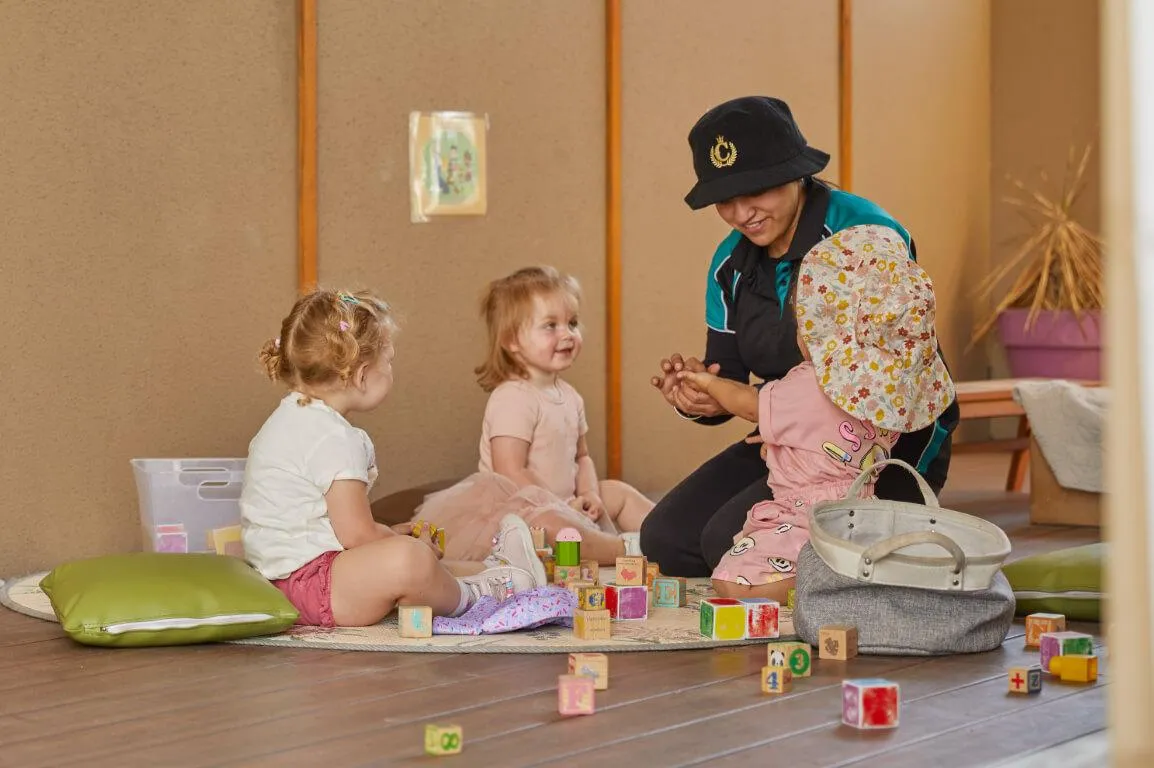
Supporting Children’s Wellbeing In Childcare: A Holistic Approach For Families
When families start exploring early learning options, one phrase often comes up again and again: wellbeing in childcare.
But what does wellbeing actually look like in practice? It’s a wider term than just making sure children get to be exposed to a supportive environment. How can parents be confident that a childcare environment truly supports their child’s whole development - not just learning outcomes?
At Inspira Kids, well-being is planned thoughtfully into every part of a child’s day, ensuring that every activity is carefully curated for overall development. Let unveil how Inspira Kids incorporates well-being lessons into everyday's activities.
What Does Well-being In Childcare Really Mean?
At an early age, children have already developed their mentality through interactions and other socialisation with people. Their cognitive functions could receive information and form emotions quite as sophisticated as parents can imagine.
Therefore, wellbeing in childcare is about supporting the whole child - their body, mind, and character, viewed in the context of child’s development, so that the children can confidently attend different age-appropriate activities.
In quality early learning settings, wellbeing includes:
Physical health and safety
Emotional security and resilience
Positive relationships and a sense of belonging
Curiosity, confidence, and secure sense of self

A Holistic Approach To Wellbeing At Inspira Kids
At Inspira Kids, children’s well-being is supported through a holistic approach built around three connected pillars: physical, emotional, and cognitive well-being.
Each pillar supports the others, creating a nurturing environment where children can grow at their own pace, while every angle of well-being is developed simultaneously.
Physical Wellbeing: Nurturing Bodies And Safe Environments
Physical well-being is the foundation of everything else. At a young age, children can’t help but actively participate in different physical activities, making it a fundamental part of growing up. When children feel well in their bodies, they are more settled, engaged, and confident throughout the day.
At Inspira Kids, physical wellbeing is supported with different activities designed for different age groups, but still follow core values such as:
Nutritious, balanced meals that fuel growing bodies
Clean, safe, and thoughtfully designed learning spaces using organic farm-produced cleaning solutions for most of our daily cleaning in the centers, ensuring a healthier and safer environment for your child.
Daily opportunities for movement, outdoor play, and rest
Physical well-being is more than just food, but also ensuring a safe environment for children to freely explore and learn.
Emotional Wellbeing: Building Confidence, Resilience, And Belonging
Emotional wellbeing is closely linked to how children feel about themselves and their relationships with others. While physical wellbeing is generally easier to observe, developing emotional activities should be designed thoughtfully and evaluated frequently to ensure children can learn properly and develop emotional intelligence from the activities they participate in.
Inspira Kids supports emotional well-being by intentionally nurturing:
Warm, secure educator - child relationships
Consistent routines that promote strategic reasoning, insightfulness, perseverance, creativity, and craftsmanship,
Habits of Mind that encourage persistence, empathy, and self-confidence
Educators gently guide children to recognise emotions, solve problems, and build resilience - social skills that support wellbeing well beyond the early years.
Cognitive Wellbeing: Encouraging A Love Of Learning
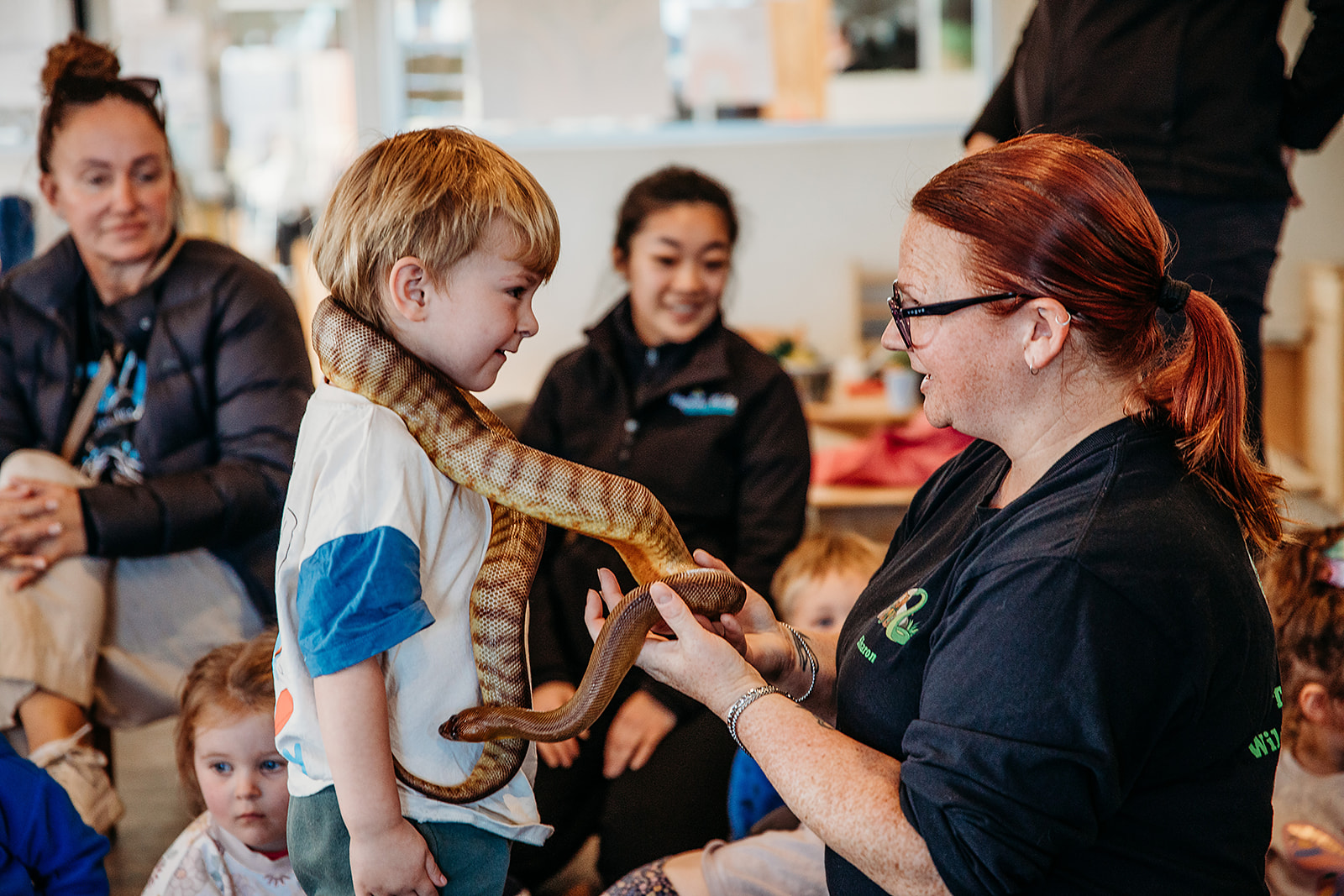
Cognitive well-being isn’t about pushing academics early. It’s about helping children feel capable, curious, and confident as learners. It’s not an easy task as people might think, since building the learning zone with appropriate amounts of challenges could take a lot of time to adjust.
To form learning zones for children, Inspira Kids uses the C.O.R.E Literacy approach and play-based experiences, consisting of:
C - Child-centered: children are surrounded by educators, providing a safe guidance when they seek for knowledge
O - Opportunities maximised for each child: each child is observed and evaluated to see their strengths and weaknesses, so that they can participate in suitable activities that help them grow.
R - Reggio Emilia - inspired environment: The environment inspires children to be curious, intentionally welcoming, aesthetic, and filled with open-ended, natural materials.
E - Engagement with families: Learning is not limited to the classroom. Families are encouraged to join in the learning journey with children, cultivating a positive attitude toward education.
Learning shouldn’t be strict and boring. Instead, play-based learning would eventually help children develop their eagerness to learn, even later into their adolescent years.
How Wellbeing Shows Up In Everyday Childcare Experiences
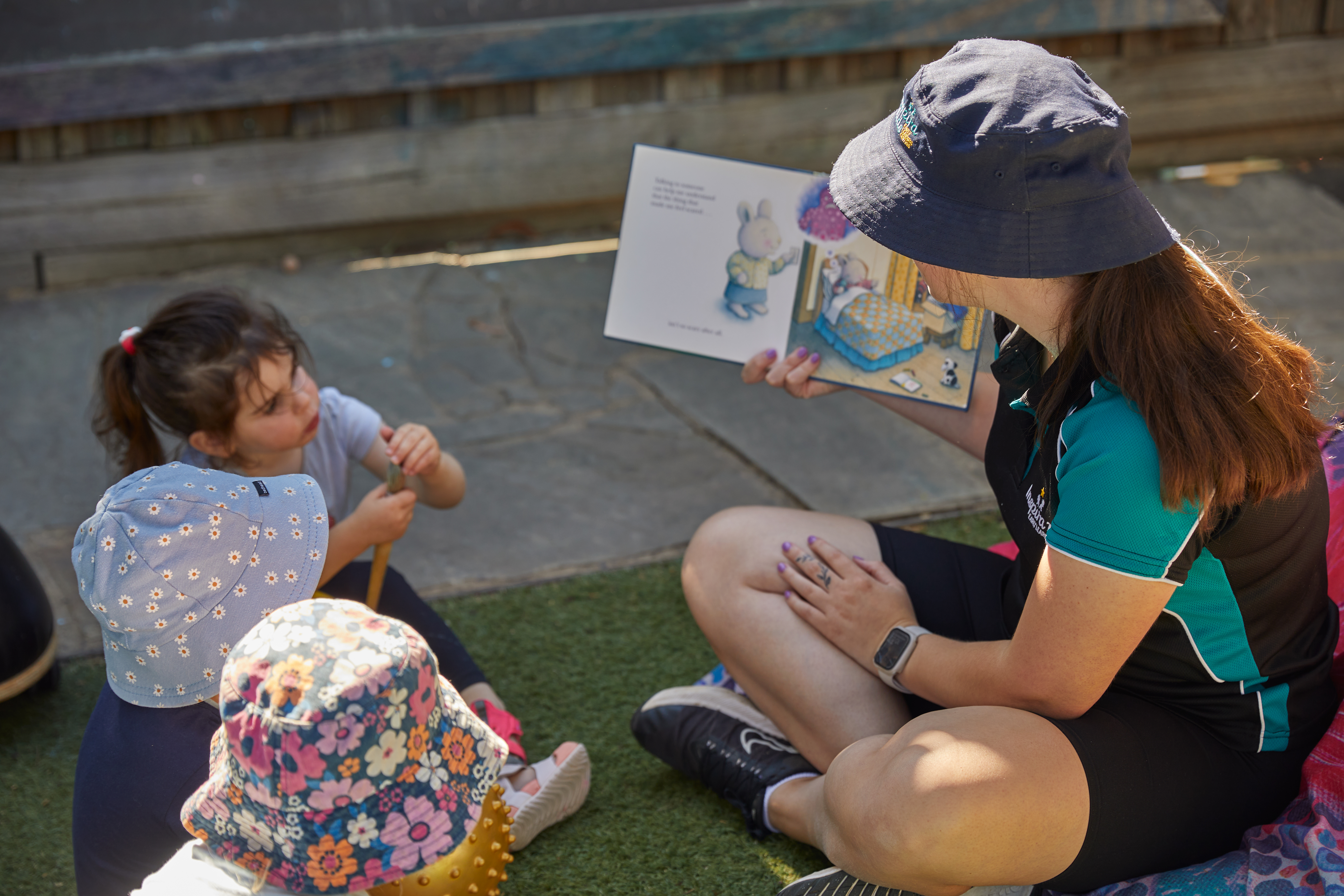
Wellbeing at Inspira Kids isn’t limited to special activities or scheduled lessons. It’s visible in the small, everyday moments and woven together to create an all-rounded experience, dedicated to the overall growth of the child.
These particular goals can be achieved through small gestures and constant reassurance, including:
Calm morning arrivals where children are greeted by familiar faces
Mealtimes that encourage healthy habits and social connection
Play spaces that invite exploration while feeling safe and welcoming
Educators who consciously listen, guide, and support children with care and intention
As they experience being cared for by educators and others, they become aware of the importance of living and learning interdependently with others. A familiar environment will help children feel safe enough to try stepping outside their comfort zone.
Whether quickly or slowly, these first steps are always important in opening up a new stage of development.
Experience Wellbeing In Action At Inspira Kids
Wellbeing in childcare is something you can feel when you walk into a centre—the calm, the warmth, and the sense of connection.
If you’re exploring early learning options for your child, we invite you to experience how Inspira Kids supports children’s wellbeing every day, through thoughtful environments, nurturing relationships, and purposeful learning.
A supportive start makes all the difference.