Anger Management In Children: How to Help Toddlers Understand And Express Big Feelings
Anger is a normal emotion in childhood. Young children are still developing language, impulse control, and emotional understanding, so big feelings can sometimes come out as shouting or ill-behaved manners. Anger management in children is not about stopping anger completely. The goal is to help children recognise what they feel, express it safely, and learn simple ways to calm their bodies to clearly communicate their needs.
With calm adult support, clear boundaries, and repeated practice, children can gradually build emotional confidence and self-regulation. In this article, let's learn what adults can do to effectively help children regulate their big feelings.
Anger Management In Children: How to Help Toddlers Understand And Express Big Feelings
Why Anger Can Feel So Big For Children
What Anger Management In Children Really Means
What Parents Can Do During An Angry Moment
3 Practical Strategies To Help Children Manage Anger
Why Anger Can Feel So Big For Children
Young children do not always have the words or control to explain what is happening inside them. A child who shouts may be feeling overwhelmed, disappointed, tired, or unsure how to ask for help. When they throw a toy, the hidden message can be interpreted as “I am frustrated because this is not working.”
Some children show anger outwardly through loud voices, tears, or physical actions. Others may withdraw, hide, refuse to speak, or shut down during conflict. This can happen when a child feels unable to cope in the moment.
Seeing the feeling behind the behaviour can help parents respond with more empathy. This does not mean ignoring unsafe behaviour. It means recognising that a child often needs both a clear boundary and adult guidance to understand what to do next.
What Anger Management In Children Really Means
Anger management in children should be simple and age-appropriate as a stage of development. They need adults who can stay calm, keep them safe, and help them learn better ways to respond over time.
A young child may first learn to say, “I’m angry,” or “I need help.” Later, they may learn to take a breath, move away from a conflict, ask for a turn, or use words instead of hitting.
These skills develop gradually. Children usually need many repeated moments of support before they can manage anger independently.

What Parents Can Do During An Angry Moment
During an angry moment, the priority is to keep the child and others safe. However, this does not mean parents need to explain, lecture, or solve the behaviour immediately. When a child is overwhelmed, they may not be ready to listen or understand a long explanation.
In these moments, redirection is often more helpful. Parents can calmly guide the child away from the situation, reduce noise or stimulation, and move toward a safer or quieter space. For example, if a child is throwing toys, the parent may move the toys away and guide the child toward a calm corner, a different activity, or a safer place to sit.
Short and clear language can support this redirection. A parent might say, “Let’s move over here,” “We are going to take a break,” or “I will help you calm your body.” These phrases do not ignore the behaviour, but they avoid turning the angry moment into a long discussion while the child is still dysregulated.
Once the child is calmer, parents can return to emotional guidance. This includes naming the feeling, talking about what happened, and setting a clear limit, such as “You were angry, but throwing toys can hurt someone. Next time, you can ask for help or stomp your feet safely.”
The message should be clear: all feelings are allowed, but unsafe actions need limits.
3 Practical Strategies To Help Children Manage Anger
Supporting anger management in children works best when strategies are simple, repeated, and suited to the child’s age. The aim is not to expect perfect self-control, but to give children tools they can practise over time.
Teach Simple Coping Tools
Children need simple tools they can remember when emotions feel big. This might include taking three slow breaths, asking for help, squeezing a cushion, counting slowly, or using a short phrase such as “I need a break.”
Adults can teach these tools during calm moments, not only during outbursts. For example, a parent might practise slow breathing with a child before bedtime or after a story. When the child later becomes upset, the tool feels more familiar.
It also helps when adults model the same strategy. Saying, “I feel frustrated, so I am going to take a breath before I speak,” shows children what calm coping can look like in real life.
Create A Calm-Down Space
A calm-down space is a safe place where a child can pause, settle their body, and feel supported. This might be a quiet corner with cushions, books, soft toys, drawing materials, or sensory items.
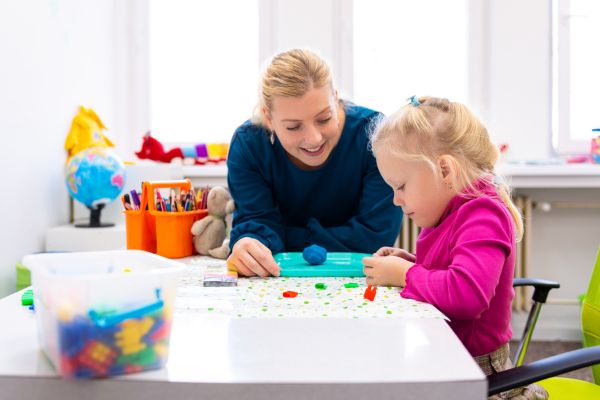
Some children calm down through quiet time. Others may need safe physical movement first, such as outdoor play, stretching, jumping, or walking with an adult. Drawing, writing, building, or playing with playdough can also help redirect angry energy into something safer.
Adults can guide the child by saying, “I understand you are very upset. Let’s take a quiet break,” or “You can have some space, and I will check on you soon.” The child does not always need an adult to stay close or talk them through the feeling immediately. Sometimes, a short pause away from adult attention can help them feel less overwhelmed.
The adult’s role is to make sure the space is safe, reduce pressure, and give the child time to settle before reconnecting. Over time, children may begin to recognise when they need space before their anger becomes too intense.
Set Consistent Boundaries
Children need empathy, but they also need clear limits. A consistent boundary helps them understand which behaviours are not safe or acceptable.
For example, a parent might say, “It is okay to feel angry. It is not okay to hit.” If the child continues to hit, the adult may need to move the child away, remove the object being thrown, or pause the activity.
The boundary should be calm and firm, focusing more on action rather than motive. Children learn best when adults lead with steadiness. After the child settles, parents can return to the moment and help them practise a better response, such as asking for help, taking turns, or using words to explain what they need.
How To Recognise Progress And When To Seek Support
Progress in anger management is often gradual. Small signs can show that a child is developing stronger emotional regulation.
A child may begin using words instead of actions, calm down more quickly than before, ask for help, move to a quiet space, or accept support from an adult. They may still become angry, but the outburst may be shorter, less intense, or easier to recover from. These small changes matter because they show that the child is beginning to understand their feelings and practise understanding circumstances before reacting.
At the same time, parents may need to seek extra support if angry behaviour is very frequent, unusually intense, or begins affecting safety, daily routines, learning, or relationships. It may also be helpful to speak with an educator, GP, child health nurse, psychologist, or other professional if a child continues to struggle to calm down, often hurts themselves or others, withdraws for long periods, or is not making progress despite consistent support.
Asking for support does not mean a parent has failed. It can help families better understand what the child needs and find strategies that are more suitable for their development.
Supporting Emotional Confidence At Inspira Kids
At Inspira Kids, responsive relationships, guided support, and safe environments help children build emotional confidence over time. Educators understand that young children are still learning how to recognise feelings, communicate needs, and manage big emotions safely, that’s why learning at Inspira Kids involves redirection, and calm guidance, rather than discipline harshly.
Through calm routines, clear expectations, modelling, and gentle guidance, children are supported to practise self-regulation in everyday moments. They learn that feelings can be named, help can be requested, and problems can be worked through with care. Book a tour with Inspira Kids at your nearest centre to feel the calm environment at our centres!