Top Children’s Books For Ages 0–5: Develop A Love for Reading with Inspira Kids
Top Children’s Books For Ages 0–5: Ideas By Age And Purpose
Choosing children’s books for ages 0–5 should be based on what your babies want. Babies may enjoy clear pictures and repeated language, toddlers often like movement and predictable sequences, and preschoolers may be ready for longer stories and conversations about emotions, family, identity or problem-solving.
Aside from nursery rhymes, reading books is also a beautiful way to help children engage in learning about the world. The six books below offer a mix of Australian favourites, interactive classics and recent titles that can be shared in different ways from birth to five.
What To Look For When Choosing Children’s Books
For babies and toddlers, clear illustrations, rhythm and repetition can make books easier to handle and revisit.
A varied home or early-learning collection can include familiar experiences as well as books that introduce different families, cultures, abilities, places and perspectives. If you don’t know where to start, the Children’s Book Council of Australia Early Childhood category is one useful source for finding Australian books intended for children at pre-reading or early stages of reading.
Award lists can help families discover titles, but that does not mean every book will suit every child. If your child is capable of reading more difficult books, don’t hesitate to hand them those books and read together to guide them through complex concepts.
Books for Babies and Young Toddlers That Support Language Development
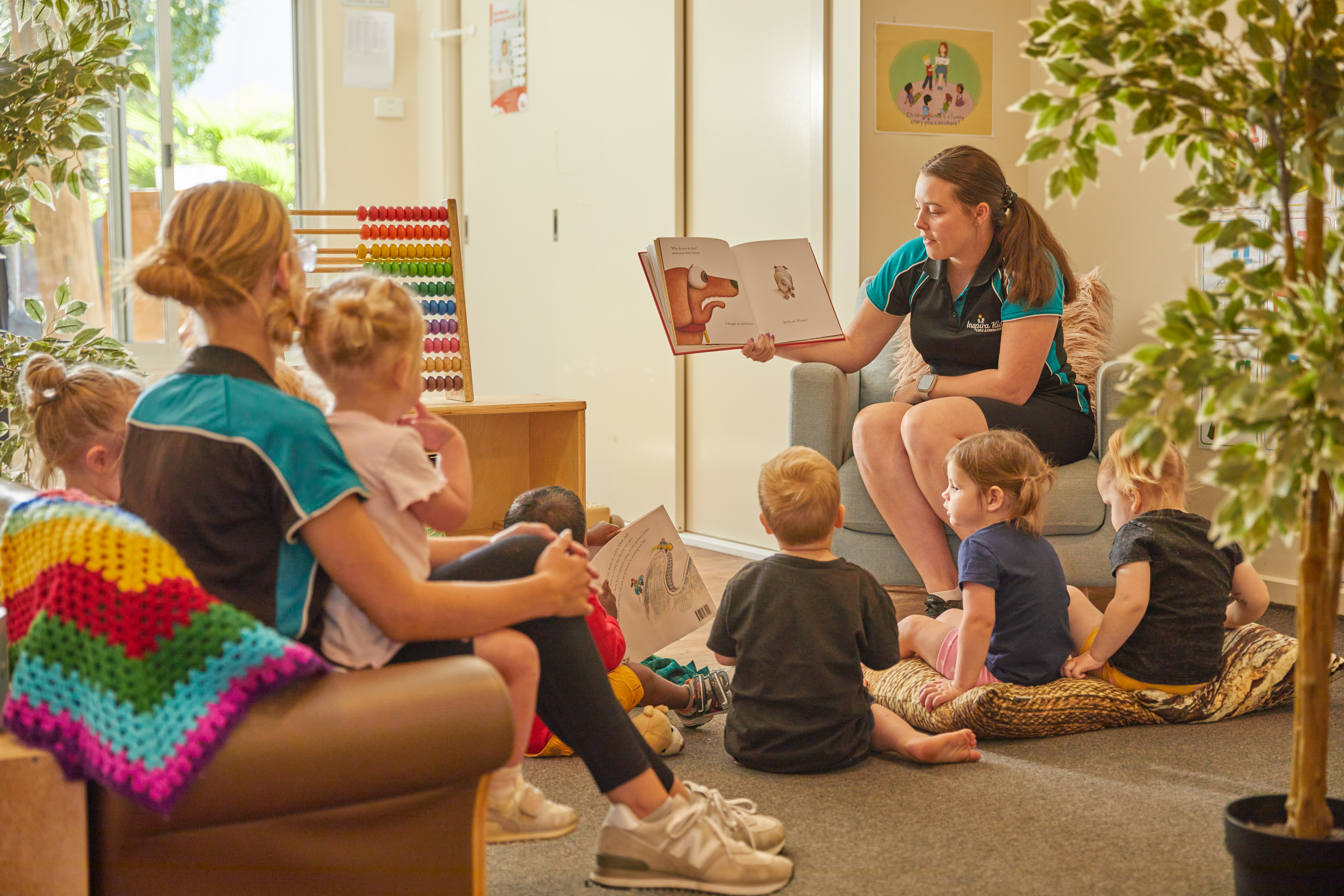
At this stage, books with repetition, strong visual cues, familiar objects and simple actions can make shared reading easier to join. Children may make sounds or anticipate a repeated phrase long before they can talk about the story in full sentences.
1. Where Is The Green Sheep? by Mem Fox And Judy Horacek
Where Is The Green Sheep? uses a repeated question and a sequence of contrasting sheep to keep very young listeners involved. Coming from the series of Australian classics by Mem Fox and Judy Horacek, its predictable structure makes it easy for children to point, search and begin joining in with familiar language.
During shared reading, pause before turning a page and ask the child to find a particular sheep or notice what one is doing. The aim is conversation and participation rather than expecting the book to independently “teach” colours or opposites.
2. Dear Zoo by Rod Campbell
Dear Zoo is a lift-the-flap book built around repetition, animal vocabulary and anticipation. Its interactive format gives young children a physical role in the reading experience: they can lift a flap, react to the animal and begin predicting what might appear next.
Adults can extend the story with a few descriptive words rather than asking a question on every page. “That animal is very tall” or “This one jumps” adds useful language while keeping the rhythm of the story moving. Children can also respond with animal sounds or gestures if they are not yet using many spoken words.
Books For Toddlers Aged 2–3
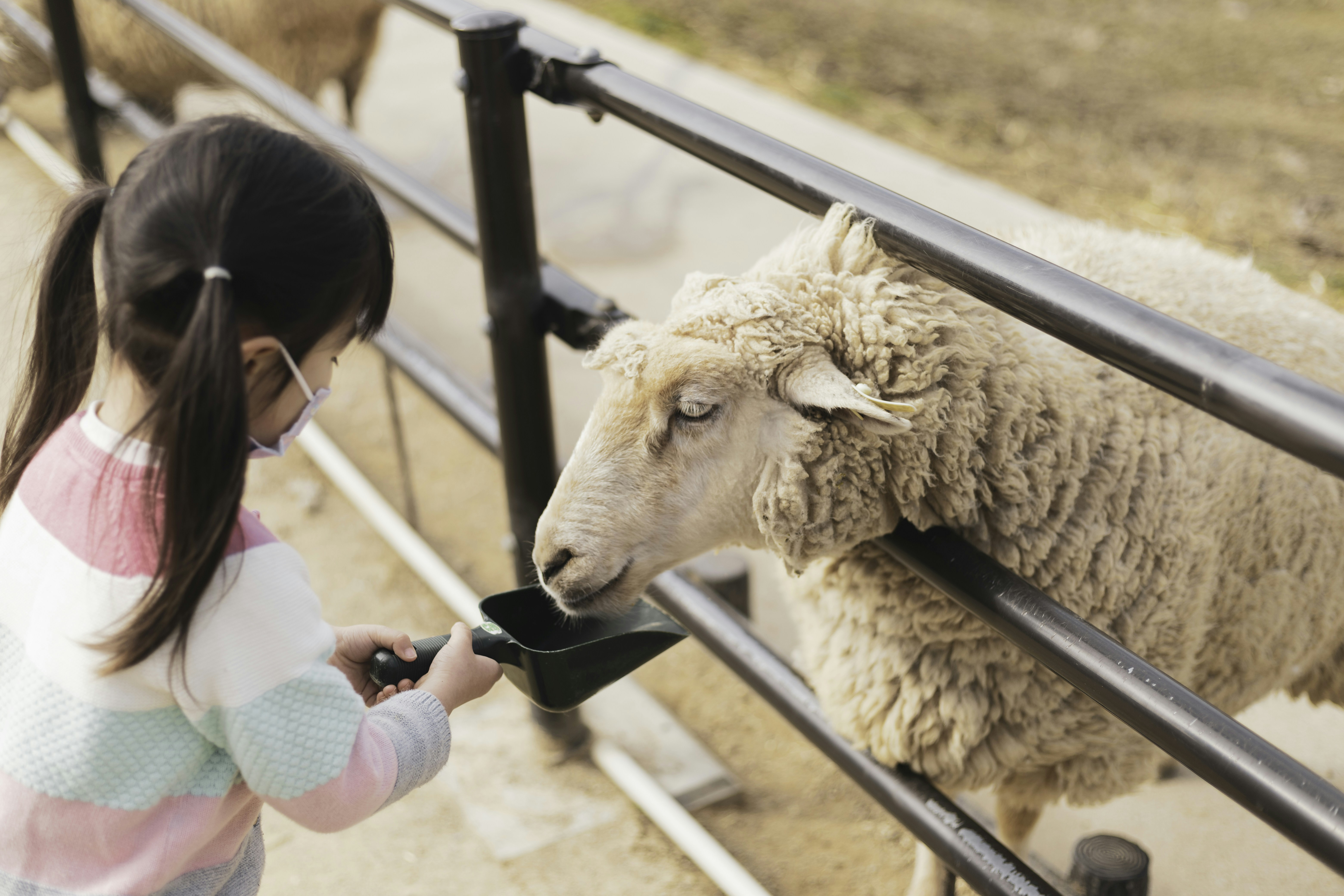
At this age, toddlers can understand simple words as well as simple phonetic structures, that’s why choosing books with simple commands each page could be a great choice. Books that can be acted out or retold with toys give children another way to show understanding beyond answering questions.
3. We’re Going On A Bear Hunt by Michael Rosen And Helen Oxenbury
We’re Going On A Bear Hunt invites participation through repeated language, sound effects and a clear journey through different environments. The sequence makes it especially useful for movement: children can use actions for travelling through grass, water and mud, then retell the order afterwards.
A toddler does not need to repeat every line. They may join with one sound effect, a movement or a familiar phrase. Adults can introduce positional and sequence language such as through, over, under, first and next, then let the child take the lead in acting out a favourite section.
4. The Very Cranky Bear by Nick Bland
Nick Bland’s The Very Cranky Bear can support conversations about emotions, friendship and what happens when people assume they know what someone else needs. The story gives children a chance to notice how different characters respond to the bear and whether those attempts are actually helpful.
Instead of turning the book into a lesson about “controlling” negative feelings, ask a simple question such as, “What do you think the bear wanted?” or “Who listened carefully?” This keeps the focus on perspective-taking and communication while respecting that frustration and tiredness are normal emotions.
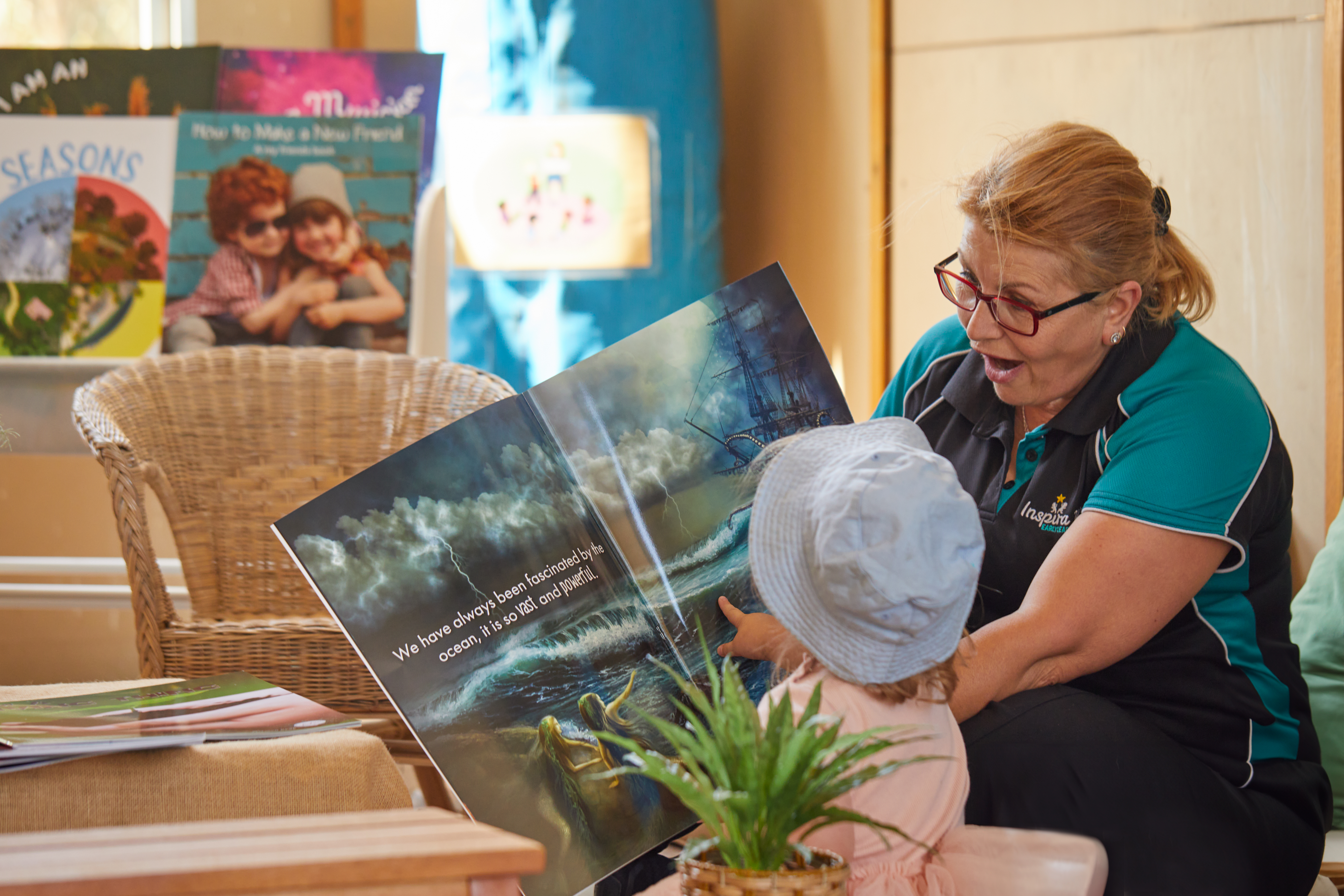
Books For Preschoolers Aged 3–5
Preschoolers may be ready for longer storylines, more detailed illustrations and conversations about relationships, change, identity and problem-solving. They can also begin revisiting a story from different viewpoints: what one character noticed, what another character may have felt, or what could happen next.
5. The Wobbly Bike by Darren McCallum And Craig Smith
The Wobbly Bike follows the challenges of learning to ride a bike and is set in Australia’s Top End. Walker Books lists the current edition for ages 4–8, so it can suit the older end of the preschool range when the child is interested in the topic. The book was also named the 2025 CBCA Book Of The Year: Early Childhood winner.
For shared reading, focus on the events and illustrations rather than the award. Ask the child what seems to make the bike difficult to ride, what the characters try, or how encouragement changes the experience. The story can open conversations about practice, family support and staying with a challenge without suggesting that every child must respond to difficulty in the same way.
6. The Colours Of Home — Sally Soweol Han
The Colours Of Home follows Bomi as she connects a new country with the place she previously called home by noticing familiar colours. The book is on the 2026 CBCA Early Childhood shortlist and uses visual storytelling to explore home, belonging and change.
Adults can invite children to notice what Bomi sees, compare two illustrations or talk about colours that remind them of a place or person. Keep the discussion open. Children from migrant or multicultural families should not be expected to identify with Bomi’s experience simply because of their background, and families may have very different feelings about home and change.

How To Choose Books For Different Purposes
A single book can support many kinds of conversation, but it can still be useful to think about what you want to offer the child. At each stage of development, different learning outcomes are required:
For rhyme and sound awareness, choose books with strong rhythm and repeated sound patterns. For movement and participation, look for repeated actions or journeys.
For emotions and everyday changes, choose stories that show characters responding in different ways rather than simply telling children the “correct” feeling.
For representation and belonging, look beyond one-off cultural celebrations. A varied collection can include different family structures, languages, homes, abilities and communities as part of ordinary stories.
For problem-solving, choose books where children can notice a challenge, predict what a character might try and revisit whether the solution worked.
Making Shared Reading More Interactive
Interactive reading does not mean questioning children on every page. Often, the most useful approach is to create space for the child to notice, point and respond. In modern learning, interactive learning means prioritising different materials to include screenplays or other visual supports, creating an open space to discuss different ideas or plots that appear in the story.
For more on why shared reading matters, families can also explore Inspira Kids’ article on the benefits of reading to children.
Books And The C.O.R.E Literacy Program At Inspira Kids
Books at Inspira Kids can become part of wider language experiences through the C.O.R.E Literacy Program, as reading is considered a core learning milestone rather than add-on activities. Books not only introduce children to the vivid world of imagination, but can also make valuable lessons and complex ideas easier to understand and relate to. Such stories are powerful tools to explore difficult concepts, providing a safe space for children to understand themselves and others better.
Arange a tour at the nearest Inspira Kids centre to see how books, storytelling and everyday conversation are woven through the learning environment.