Critical Reflection In Childcare: Meaning, Examples And Practical Questions
Critical reflection in childcare asks educators to examine why practice unfolded in a particular way, whose perspectives influenced decisions, who may have benefited or been excluded, and what evidence should shape the next step.
This deeper process is part of quality early childhood practice in Australia. ACECQA describes critical reflection as a meaning-making process that examines events and experiences from diverse perspectives and takes reflection to a deeper level of thinking and evaluation. In this article, let’s explore why critical reflection is crucial to delivering high-quality early childhood education and care, therefore strengthening educators’ expertise through constant feedback.
What Is Critical Reflection In Childcare?
Critical reflection is a comprehensive process of reflection, aiming at bringing solutions to different challenges that educators encounter throughout the day. It may ask why the activity was organised that way, whose idea was prioritised, what assumptions were made about children’s interests or abilities, whether some communication styles were easier to participate with than others, and what evidence could support a different approach next time.
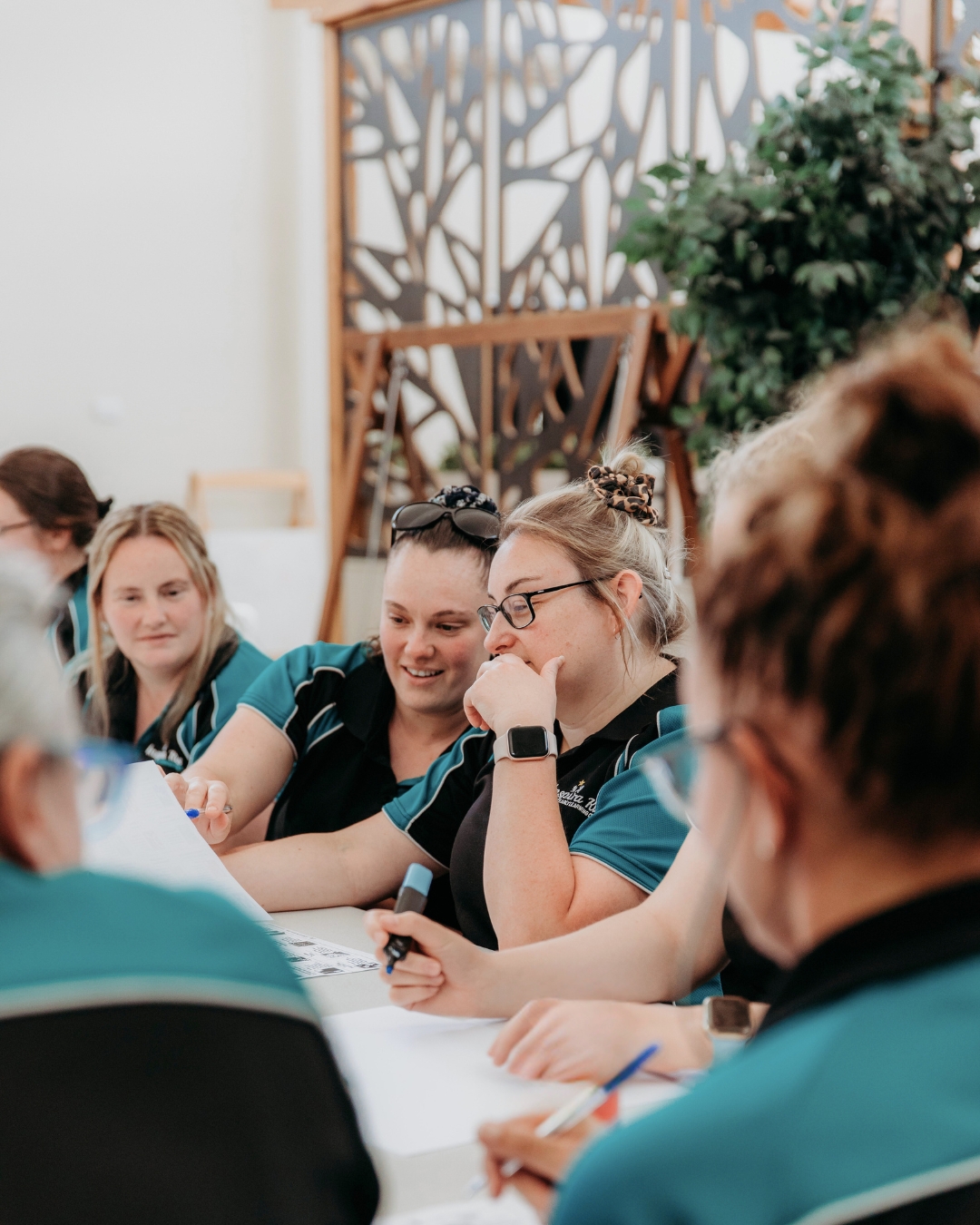
A strong reflection culture can include the perspectives of educator teams, children and families. ACECQA’s EYLF V2.0 information sheet on critical reflection and ongoing professional learning emphasises that ongoing reviews could benefit educators more than one-off tasks, as they can see these tasks are treated as crucial steps to curate their approaches towards different learning styles.
Why Critical Reflection Matters In Early Childhood Education
Critical reflection helps educators avoid repeating activities simply because “we always do it this way”. It creates a reason to connect observations of children with the learning framework, service philosophy, professional knowledge, and family perspectives.
It can also reveal barriers that are easy to miss. A routine may work well for children who are confident speaking in a large group but not for children who communicate more quietly. Under the National Quality Standard, Element 1.3.2 states that critical reflection on children’s learning and development drives program planning and implementation. The wider assessment and planning cycle also draws on observation, analysis, documentation, planning, implementation and reflection, so critical reflection should influence what educators actually do next.
Three Practical Critical Reflection Examples
Critical reflection can be applied to almost every part of the program, with a focus specific enough to lead to action. “How can we improve inclusion?” is broad. “Whose family structures and home languages are visible in our dramatic-play resources, and what is missing?” gives the team something observable to discuss, investigate, and change.
Critical reflection becomes easier to understand when it is connected with everyday practice. The following examples show how educators can move from noticing what happened to questioning why it happened, whose perspectives were considered, and what could change next.
1. Reviewing Group Time
Imagine several children regularly leave a long group session, become restless, or do not contribute. A general reflection might say, “The children were not interested, so we need a more exciting song.” Critical reflection asks whether the issue is actually the children’s interest.
This could lead to a range of solutions provided:
The team might examine the group size, length, topic, and participation format. Was the session mainly educator-led? Did children have to sit still and answer verbally? Were visual supports or movement available? Were some children more engaged in smaller groups?
The next cycle could trial shorter small-group sessions, optional participation, more movement, or visual prompts. Educators would then observe whether participation changes and review the decision again after an extended period, then continue to develop solutions to help children engage in active learning.
2. Reflecting On A Child-Led Project
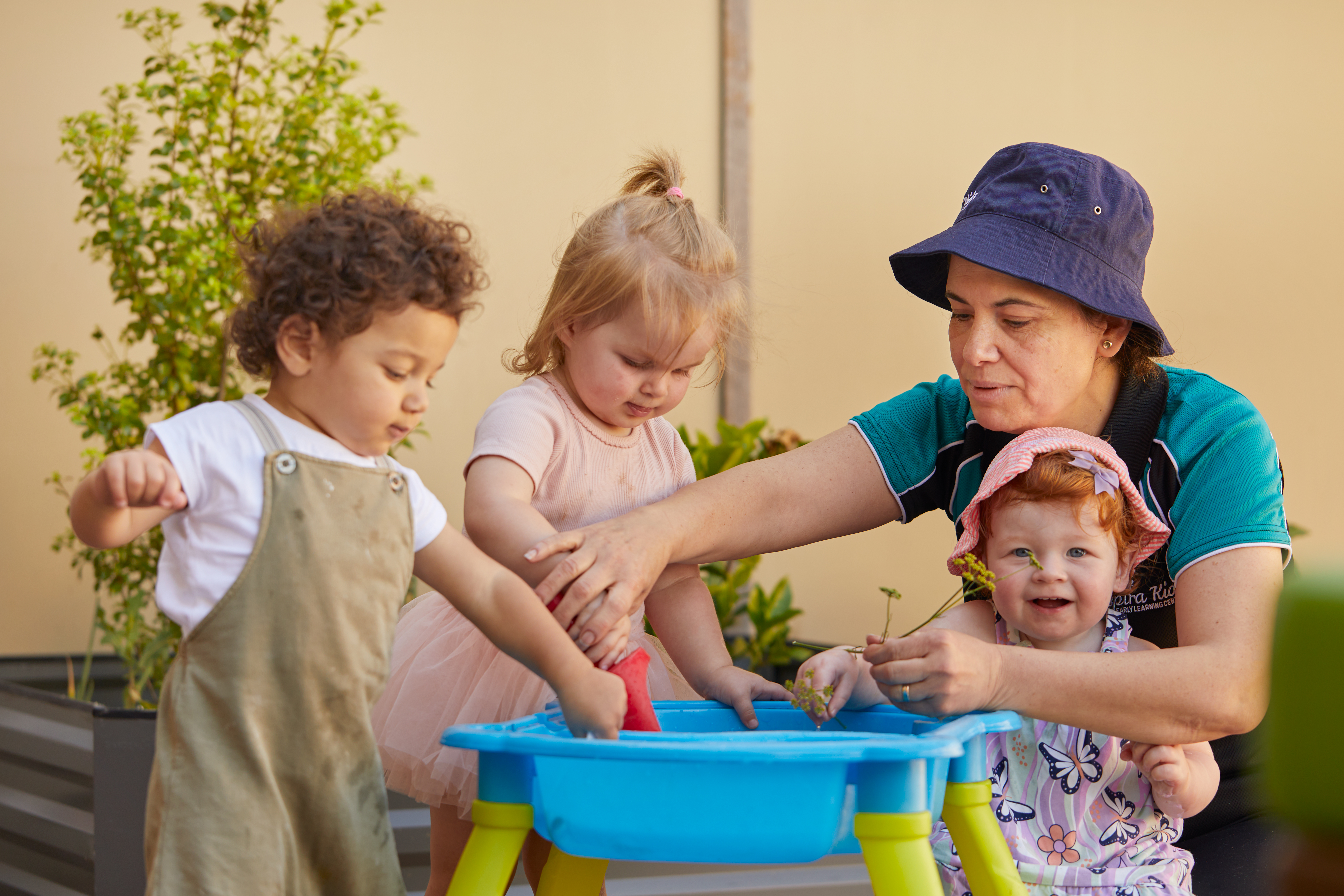
Another pillar of child-centered learning is how children operate their projects while playing. Suppose several children become interested in insects after finding a beetle outdoors. Educators add an insect craft and a themed display. The program may look responsive, but children started to lose interest as they were given too many complicated activities that they couldn’t follow up on. The interest was quickly redirected into an adult-designed activity.
This means that when doing critical reflection, educators could revisit observations and documentation.
Which children contributed ideas? Did quieter children have ways to participate? What were children trying to find out? Are activities child-friendly that follow ages of development?
The team might then add books, magnifiers, drawing materials, outdoor investigation, or family knowledge depending on the questions children are pursuing.
After mapping out, educators might consider changing learning materials or starting to add sense-based activities like distinguishing sounds, drawing wing patterns, painting a numeral picture, etc.
3. Reviewing Inclusion In The Learning Environment
A team reviewing books, dolls, posters, music, and dramatic-play materials notices that most examples represent a narrow range of families and cultural experiences, often excluding minority groups. Adding one celebration poster may make the environment look more diverse, but it does not necessarily change everyday representation.
To assist this, critical questions include:
Who can see aspects of their family or community in this environment? Who may not? Are resources current, respectful, and used in everyday play rather than only during special events?
What do families tell us about language, routines, celebrations, occupations or objects that matter in their lives? Does our childcare environment represent different cultures well enough, or is there any culture being excluded from the overall picture?
The response might involve family consultation, reviewing resources over time, and using trusted cultural sources. The team can then observe how children engage with the changed environment and continue the reflection.
Critical Reflection Questions For Educators
Useful questions should help educators move from description to analysis and improvement. They do not all need to be answered at once.
Questions About Children’s Participation
What did different children do, say, choose, avoid,d or revisit?
Whose ideas were most visible in the experience?
Were there non-verbal or smaller-group ways to participate?
Questions About Educator Decisions
Why did we organise the experience this way? What step can I take to explore further in my reflective practice?
How can I incorporate critical reflection into my daily routine?
Which assumptions, routines or theories influenced our choice?
Did our questions extend children’s thinking or steer them toward our answer?
What evidence would challenge our current interpretation?
Questions About Inclusion
Who may find this routine or environment easier to access than others?
Which families, languages, abilities, es and perspectives are represented?
Have we asked families or children rather than assuming what inclusion should look like?
Questions About Improvement
What specific change will we trial?
What will we observe to understand whether the change helped?
How often should the team revisit the decision?
How To Document Critical Reflection Without Creating Extra Paperwork
Critical reflection is not defined by the length of the written record. A short note can be valuable if it captures the question, perspectives considered, decision made, and what will be reviewed next. A long paragraph that only describes an activity may still not be critical reflection.
The ideal approach is to map out your observations: children’s comments and conversations, examples of children’s work, reflective journals, etc. From these ideas, dive deeper into the children’s background, the ability to think and process of each individual to identify why children think the way they do, or if educators misinterpreted children’s learning purposes.
Documentation can sit within planning records, meeting notes, project documentation or quality improvement discussions, depending on the service’s systems. What matters is that the thinking remains visible enough for educators to revisit and that it influences future practice.

Critical Reflection At Inspira Kids
At Inspira Kids, critical reflections align with the Reggio Emilia-inspired environments, emphasising child-centred experiences, educator observation, and family engagement. With a low educator-to-child ratio, educators can consider children’s strengths, interests, communication, and participation, then adjust environments, materials, routines, or intentional teaching in response.
Inspira Kids learning program also includes Habits of Mind and the C.O.R.E Literacy Program, which can be reviewed through the same reflective lens. The question is not simply whether a planned experience was delivered; it is how children engaged, what educators learned from that participation, and what should change next.
At Inspira Kids, children are treated as active learners, deciding their own learning paths with close attention from experienced educators. Let your children explore the world the way they want, and let Inspira Kids’ teams assist your child in their ways of learning by booking a tour at one of our six centres.
Frequently Asked Questions
Critical reflection can look different across services and situations. These questions clarify how it can be used as an ongoing part of professional practice without becoming a rigid paperwork exercise.
What Is An Example Of Critical Reflection In Childcare?
If children regularly leave group time, critical reflection would go beyond saying they were “not interested”. Educators might examine the length, group size, educator-led format, communication demands, and available alternatives, then trial a change and observe what happens.
Is Critical Reflection Required Under The NQS?
Yes. NQS Element 1.3.2 identifies critical reflection on children’s learning and development as a driver of program planning and implementation. Critical reflection is also strengthened in the current EYLF V2.0.
Does Critical Reflection Have To Be Written Every Day?
The key requirement is meaningful, ongoing reflective practice that informs decisions. Services should use documentation systems that make important thinking and changes visible without confusing the volume of writing with the quality of reflection.
Can Families Contribute To Critical Reflection?
Yes. Family knowledge can challenge assumptions, add context about a child, and help educators understand whether practices are respectful and responsive. Children’s own perspectives are also important to help educators understand what they need, rather than forcing them to follow repetitive routines.