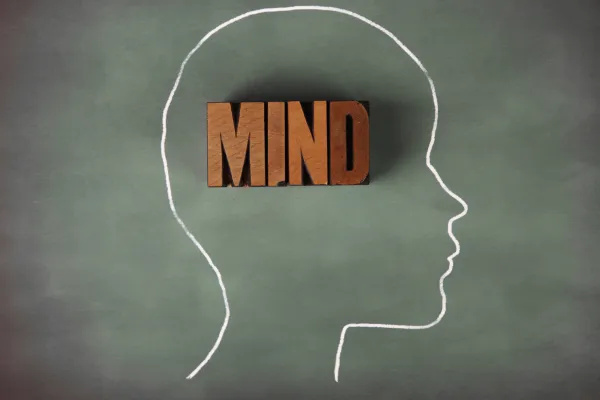
What Are The 16 Habits Of Mind? Understanding The Strategy For Effective Thinking
Children do not always know the answer straight away. They may feel stuck during a puzzle, unsure how to join a group, frustrated by a mistake, or nervous about trying something new. In these moments, what matters is not only what children know, but how they think, respond, and keep going.
The Habits of Mind are a set of thinking behaviours that help children approach challenges with more confidence, care, and flexibility. The Habits of Mind are learning dispositions that support effective thinking skills, problem-solving, communication, self-regulation, and decision-making.
This article explains what the Habits of Mind are, introduces all 16 habits in simple terms, and shows how parents and educators can support these thinking habits for children in school and everyday learning.
What Are The Habits Of Mind?
The Habits of Mind are patterns of intelligent behaviour that children can use when they do not immediately know what to do. They help children pause, think, try different strategies, listen to others, ask questions, and learn from mistakes.
In simple terms, Habits of Mind are about how children use their minds. A child may not know how to solve a problem yet, but they can learn to persist, think flexibly, manage impulses, ask for help, or reflect on what they tried.
These habits are not about being “smart” in a narrow academic sense. They are about developing disciplined thinking, thoughtful behaviour, and confidence when facing learning situations that feel new, difficult, or uncertain.
For young children, these habits often appear in small everyday moments. A child may try again when a tower falls, listen carefully to a classmate, choose a different way to solve a problem, or ask a question instead of giving up. Over time, these moments help children build stronger thinking habits for learning and life.
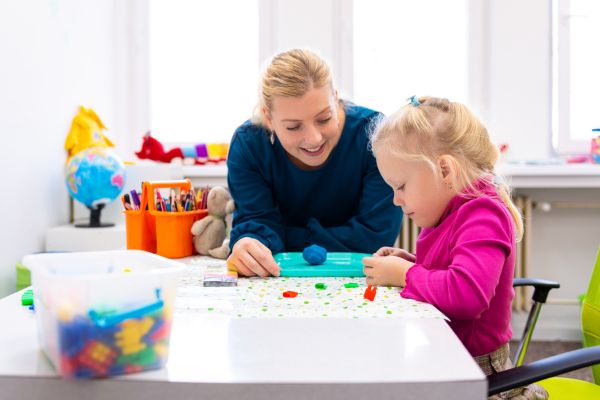
Why Do The Habits Of Mind Matter For Children?
The Habits of Mind matter because children need more than facts and answers. They also need ways to respond when learning feels challenging. When children practise thinking habits, they can become more confident in how they approach problems, mistakes, and new experiences. These habits support:
stronger problem-solving
better self-regulation
more thoughtful decision-making
improved persistence
clearer communication
stronger collaboration
confidence in learning
readiness to handle challenges and uncertainty
For example, a child who is learning to persist may be more willing to try again after a mistake. A child who is learning to manage impulsivity may pause before grabbing a toy. A child who is learning to think flexibly may try a new strategy when the first one does not work.
These are not skills children master overnight but rather develop through repeated practice, adult modelling, guided play, classroom routines, and supportive conversations.
The 16 Habits Of Mind Explained For Parents
These Habits of Mind give parents and educators a useful language for talking about thinking. Each habit describes a way children can respond more thoughtfully when they are learning, solving problems, or interacting with others.
1. Persisting
Persisting means staying with a task even when it feels difficult. For young children, this may look like:
trying again when a puzzle piece does not fit
rebuilding a block tower after it falls
continuing to practise a new skill
asking for help instead of giving up straight away
Adults can support this habit by noticing effort, giving gentle encouragement, and helping children take one small next step.

2. Managing Impulsivity
Managing impulsivity means learning to pause before acting. Children are still developing self-control, so they may grab, interrupt, run ahead, or react quickly when they feel excited or upset. This habit helps children slow down, listen, wait, and think about what to do next. Simple routines, calm reminders, and modelling can help children practise this over time.
3. Listening With Understanding And Empathy
Listening with understanding and empathy means paying attention to what another person is saying and trying to understand their feelings or ideas.
In early childhood, this may look like:
listening to a teacher’s instructions
waiting while someone else speaks
noticing when a friend feels sad
responding gently when another child needs help
This habit supports kindness, communication, friendship, and respectful classroom behaviour.
4. Thinking Flexibly
Thinking flexibly means being able to try a different idea, strategy, or perspective. A child might first want to build a tower one way, then realise another shape works better. They may learn that a problem can have more than one solution.
This habit helps children adapt when plans change, when play becomes complicated, or when they need to solve a problem with others.
5. Thinking About Thinking
Thinking about thinking is also called metacognition. It means noticing how we think, learn, and solve problems. For young children, this can begin with simple reflection after a hard problem that they overcame.
To help children form a proper reflection, an educator might ask, “How did you work that out?” or “What helped you finish?” This habit helps children become more aware of their choices, strategies, mistakes, and progress.
6. Striving For Accuracy
Striving for accuracy means wanting to improve while still taking pride in one’s effort and progress. For young children, this does not mean being perfect. It means learning to look again, adjust, and try to make something better.
For young children, this may look like:
checking their counting and trying again
adding more details to a drawing
rebuilding a tower so it stands more steadily
correcting a word, shape, or pattern with gentle support
Adults can support this habit by praising both effort and improvement. For example, they might say, “You noticed what needed changing,” or “You worked carefully and made it better.”
7. Questioning And Posing Problems
Questioning and posing problems means being curious and asking thoughtful questions. Children naturally ask “why”, “how”, and “what if”. This habit encourages curiosity and helps children explore ideas from different angles, instead of learning one way or looking at one perspective only.
In school, it may appear when children wonder why leaves change colour, how magnets work, or what might happen if they build a bridge in a different way.

8. Applying Past Knowledge To New Situations
Applying past knowledge means using something learned before to help with something new. A child who knows how to sort blocks by colour may later sort leaves, buttons, or toy animals. A child who has learned to share during group play may use that skill in a new classroom activity. This habit helps children connect learning across different situations.
This habit also connects closely with the zone of proximal development. When children build on a skill they already have, adults can guide them toward the next step without making the task feel too easy or too overwhelming.
9. Thinking And Communicating With Clarity And Precision
Thinking and communicating with clarity and precision means expressing ideas in a clear and careful way. Young children are still building language, so this habit develops gradually. It may involve using specific words, explaining what they need, describing what happened, or asking for help clearly.
10. Gathering Data Through All Senses
Gathering data through all senses means using sight, hearing, touch, smell, and sometimes taste to learn about the world. Young children often learn by exploring materials, noticing textures, listening to sounds, comparing colours, or observing changes in nature.
This habit supports curiosity, observation, vocabulary, and early scientific thinking through hands-on experiences.
11. Creating, Imagining, And Innovating
Creating, imagining, and innovating means using ideas in new ways. Children may invent a story, build a pretend shop, turn boxes into a rocket, or find a new use for classroom materials. This habit supports creative thinking and confidence.
It reminds adults that children’s ideas do not always need to follow one correct model to be valuable.
12. Responding With Wonderment And Awe
Responding with wonderment and awe means staying curious and amazed by the world. Fascinated by a butterfly, the sound of rain, a shadow on the wall, or how seeds grow, the natural world always surprises children in exceptional ways.
This habit helps children develop curiosity, appreciation, and joy in discovery. It also supports deeper attention because children are more engaged when they feel interested.
13. Taking Responsible Risks
Taking responsible risks means being willing to try something new while still thinking about safety and care. For young children, this might mean joining a new group activity, trying a different climbing challenge, speaking in front of others, or testing a new idea during play.
Adults can support this habit by creating safe opportunities for children to stretch their confidence.
14. Finding Humour
Finding humour means noticing joy, playfulness, and lightness in everyday moments. Humour can help children connect with others, recover from small frustrations, and enjoy learning. It also means learning to enjoy funny ideas, playful language, silly stories, and shared moments of laughter in a respectful way.

15. Thinking Interdependently
Thinking interdependently means learning with and from others. Children practise this when they build together, share ideas, take turns, listen to classmates, or solve a group problem. This habit supports collaboration and communication. It helps children understand that they do not always need to solve everything alone, and that other people’s ideas can make learning richer.
16. Remaining Open To Continuous Learning
Remaining open to continuous learning means understanding that there is always more to discover. Children can learn that mistakes are not the end of learning, and that new ideas can come from trying, asking, listening, and reflecting. This habit supports confidence because children begin to see themselves as learners who can keep growing with time, support, and practice.
How Habits Of Mind Show Up In School
The Habits of Mind can be used in school and early learning settings in simple, everyday ways. They do not need to be taught as separate academic lessons. Instead, they can be woven into classroom routines, guided play, group experiences, and conversations.
A child may practise persisting when they keep working on a tricky puzzle instead of walking away. Another child may practise listening with empathy when a classmate explains how they feel. A group may practise thinking interdependently when they build a shared block structure and decide together what to add next.
These thinking habits for children can also appear during mistakes. If a child spills paint, forgets a step, or chooses a strategy that does not work, an educator can guide them to pause, notice what happened, and try again. This helps children see mistakes as part of learning, not something to fear.
In classroom life, Habits of Mind may show up when children:
ask thoughtful questions
listen carefully to teachers and classmates
use past knowledge in a new activity
reflect on what worked and what did not
try a new strategy when the first one fails
work cooperatively in group play
stay curious during stories, nature play, or experiments
speak more clearly about their ideas and needs
For kindergarten and early primary children, these habits support both learning and behaviour. They help children participate more confidently, manage emotions more thoughtfully, and approach school routines with greater independence.
How Educators Can Support The Habits Of Mind
Educators can support the Habits of Mind by modelling them in everyday interactions. Children notice how adults respond to challenges, mistakes, questions, and changes. When educators stay calm, think aloud, ask questions, and try again, children begin to see what effective thinking looks like.
In practice, educators can support these habits by:
Asking reflective questions: Instead of only saying “Good job”, educators can ask, “What helped you solve that?”, “What could you try next?”, or “How did you work with your friend?” These questions help children talk about their thinking process.
Praising the thinking process: Educators can notice effort, strategy, flexibility, and reflection, not only the final result. For example, “You kept trying even when it was tricky,” or “You changed your idea when the first plan did not work.”
Designing open-ended experiences: Activities such as building tasks, group projects, storytelling, nature exploration, art, movement, and role play give children opportunities to practise problem-solving, collaboration, curiosity, and communication.
Encouraging children to explain their approach: Educators can invite children to talk about what they tried, what changed, what worked, and what they might do next. This helps children become more aware of their own learning.
The goal is not to force children to use all 16 habits at once. It is to create a learning environment where these habits are noticed, named, practised, and encouraged over time.
How Parents Can Support Habits Of Mind At Home
Parents can also help children build Habits of Mind through ordinary daily moments like small conversations, routines, and responses can make a difference.
When a child struggles with a task, parents can encourage them to try one more step. When a child feels upset, parents can help them pause before reacting. When a child asks a question, parents can explore the answer together instead of rushing to close the conversation.
Parents can support these habits by saying things like:
“What else could you try?”
“How did you solve that?”
“What did you notice?”
“Let’s slow down and think.”
“Mistakes help us learn.”
“You kept going even when it was hard.”
These simple responses help children understand that thinking is something they can practise. The important note is that parents will try to create an environment that encourages children to think proactively every time they face a new challenge or a task. Over time, children become more confident in their ability to approach challenges, communicate clearly, and learn from experience.
Inspira Kids - Boutique Childcare that Support Effective Thinking
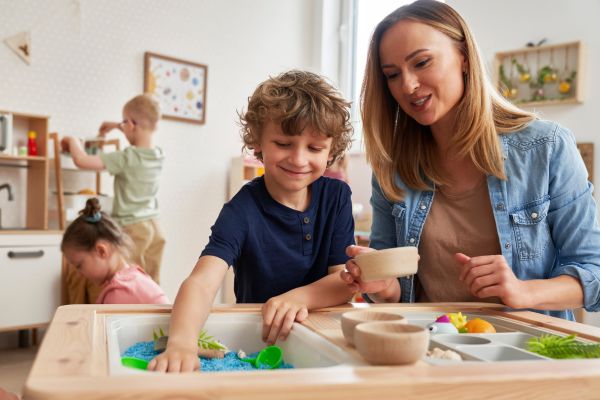
At Inspira Kids, effective thinking habits connect naturally with the Body, Mind, and Character pillars. Children need opportunities to move, explore, communicate, reflect, and build confidence through guided play and supportive routines.
Through play-based learning, educators can help children practise persistence, curiosity, flexible thinking, cooperation, communication, and thoughtful decision-making. A child building with blocks, joining a group story, solving a social problem, exploring nature, or trying a new activity is also practising how to think, respond, and learn.
By supporting Body, Mind, and Character together, Inspira Kids helps children build the confidence and thinking habits they need for school readiness and everyday learning.
FAQs about Habits of Mind
What Are The Habits Of Mind In Simple Terms?
Habits of Mind are thinking behaviours that help children respond well when they face a challenge, problem, or situation where they do not know the answer straight away. They include habits such as persisting, thinking flexibly, asking questions, listening carefully, managing impulses, and learning from mistakes.
Can School and Daycares Teach All 16 Habits Of Mind?
Schools and early learning settings can introduce and practise all 16 Habits of Mind over time, but children may not learn every habit through one lesson or activity. Some habits need specific situations, repeated modelling, and real classroom experiences that are often not suitable for younger children. The effective lesson should happen along the child’s cognitive development.
Can Children Build Habits Of Mind At Home As Well?
Yes. Parents can support habits of Mind through everyday moments, such as encouraging children to try again, asking what they noticed, helping them think before acting, listening to their ideas, and praising effort rather than only correct answers. Small daily interactions can help children build stronger thinking habits over time.