Inspira Kids In The Kitchen: How Cooking Supports Children’s Development
Inspira Kids In The Kitchen: How Cooking Supports Children’s Development
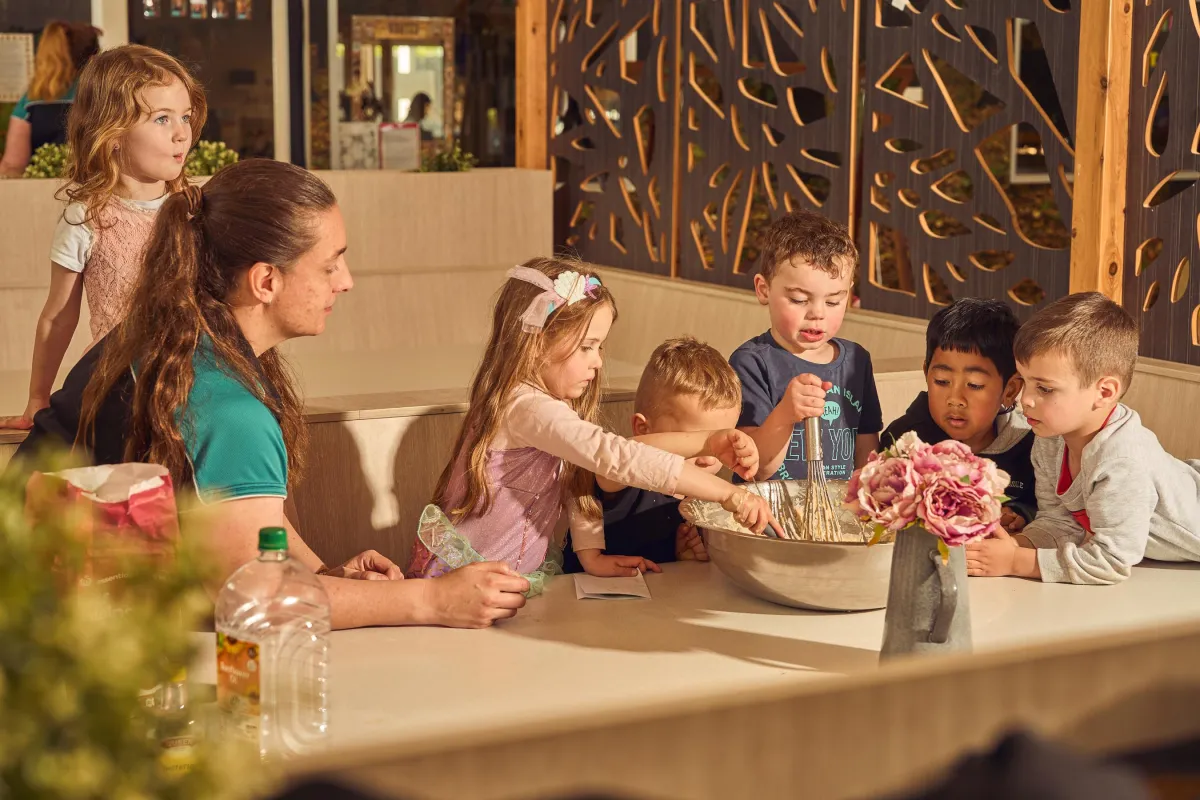
Children are naturally interested in what happens in a kitchen. At Inspira Kids, supervised cooking experiences are not about expecting young children to prepare complete meals. They give children opportunities to wash, pour, mix, count, describe, choose, and help with familiar routines. In this article, we walk through how childcare centres adapt tasks for different ages, and why safety, hygiene, allergies, and participation must remain central.
Why Cooking Belongs In Early Childhood Education
Cooking brings several areas of development together within one practical activity. Unlike an activity with one correct final product, cooking allows children to experience a process through their senses. Dry ingredients become wet when liquid is added or a banana gets smushed under pressure. Separate pieces become a fruit salad after they are combined.
ACECQA identifies preparing meals and participating in routine tasks as ways early childhood services can support children’s agency, independence, and self-help skills.
Cooking Develops Fine Motor Skills And Coordination
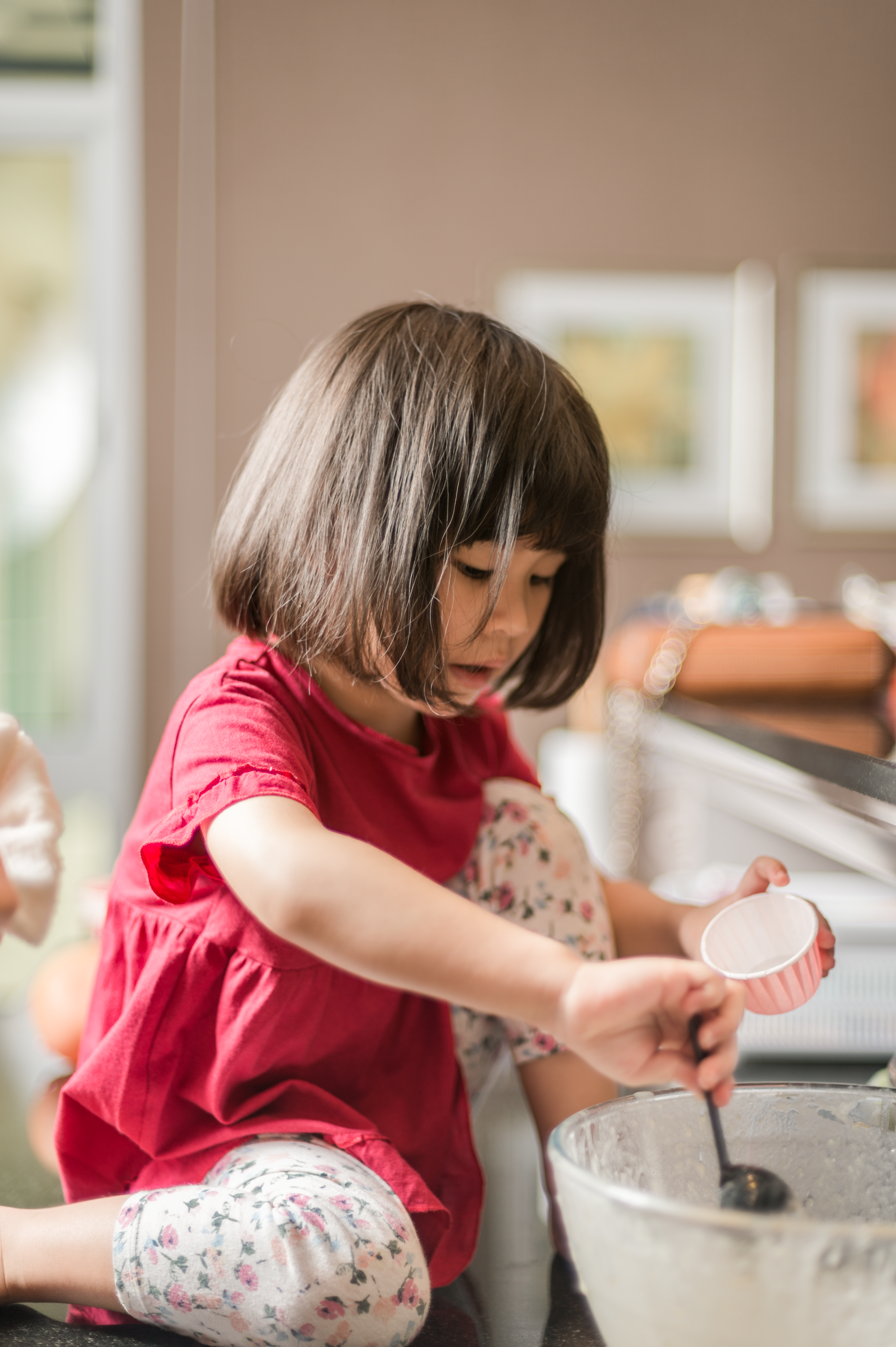
Many simple food-preparation actions require children to coordinate their eyes, hands, fingers, and arms. Scooping yoghurt, stirring a mixture, peeling a banana, tearing soft leaves, or transferring ingredients may look simple to an adult, but each task gives young children a practical opportunity to practise controlled hand movements.
The level of challenge should match the child’s current ability. A toddler may hold a large spoon while an educator steadies the bowl, while an older preschooler may be ready to pour a pre-measured ingredient with less assistance.
These movements also connect naturally with the fine motor skills children use in everyday routines, including holding utensils, dressing, drawing, opening containers, and managing belongings. Rather than practising hand control in isolation, cooking allows children to use these movements for a real purpose.
This embeds the internal-link opportunity naturally instead of adding “Families can explore…” as a disconnected sentence.
Cooking Builds Sensory Touch and Coordination
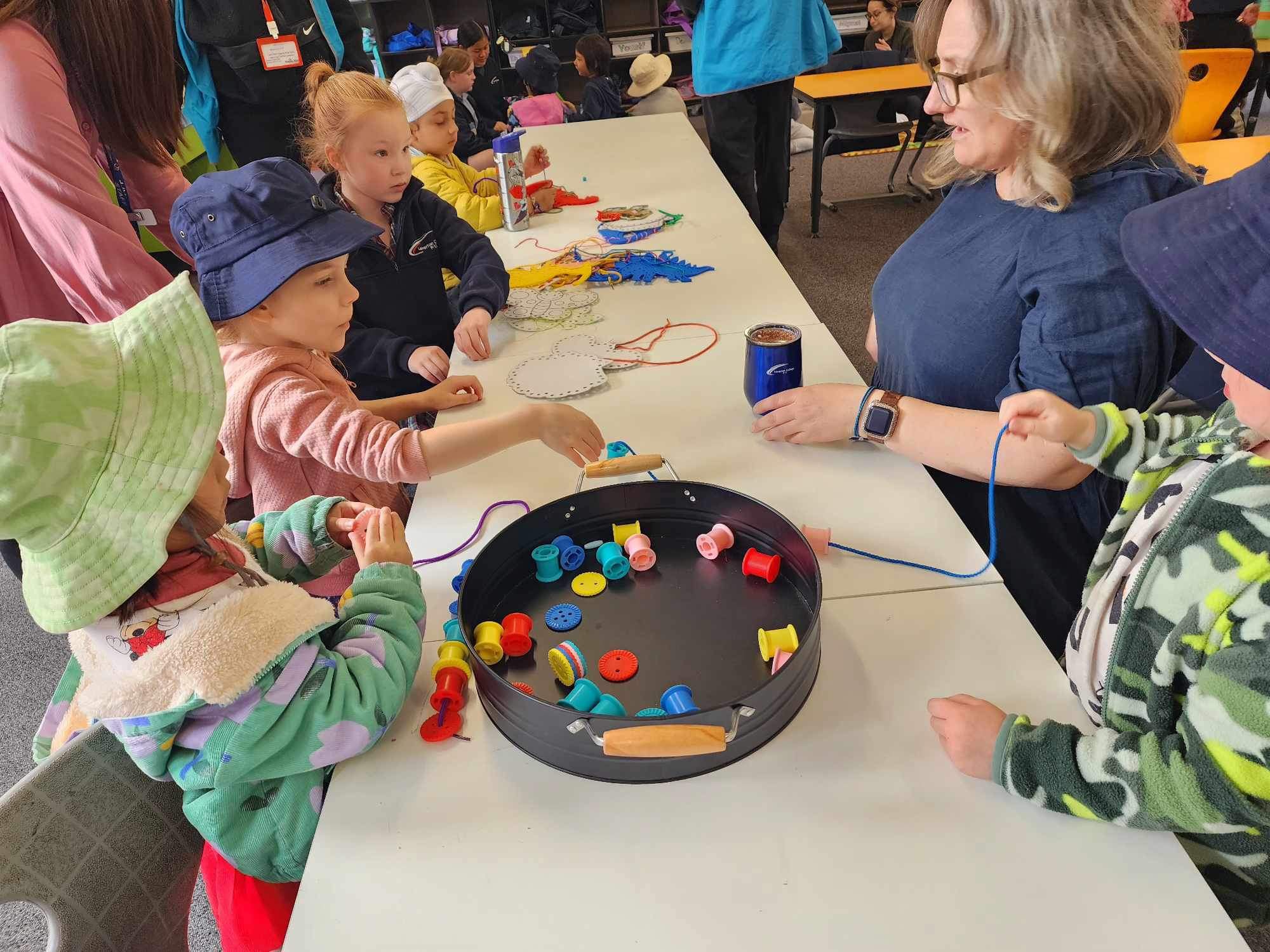
The reason why children like spending time in the kitchen is that they get chances to explore different textures of ingredients, which stimulate their sensory feel. Kitchen activities are filled with different ingredients, so this is a great place to teach them different textures through proper instructions to avoid messing around the place.
A child may notice the scent of a herb, the texture of oats, the colour inside a fruit, or the sound of ingredients being mixed. An educator may model contrast language to describe texture such as:
Smooth and lumpy
Dry and wet
Full and empty
Pour, scoop, spread, tear, mash, and stir
Sweet, sour, soft, crunchy, and cool
A small-group activity creates opportunities to listen to another child’s idea and wait while a shared tool is being used. It’s recommended that children can be instructed by trusted adults, as they might need close monitoring to avoid messing the kitchen.
Cooking Encourages Independence And Responsibility
Young children often feel capable when they are trusted with a real contribution. Carrying an empty bowl, placing a napkin, adding a prepared ingredient, or wiping part of the table shows that their involvement matters, helping them achieve a sense of accomplishment.
The responsibility must remain age-appropriate. Children should not be expected to manage sharp equipment, heat, raw ingredients that require careful handling, or allergy risks.
Adults can provide controlled choices such as, “Would you like to add the banana or the berries?” This supports agency while the educator remains responsible for the overall safety and structure.
Cleaning up can also be part of the experience. Children might return a safe utensil, place scraps in a container, or wipe a small spill with guidance.
Cooking Creates Opportunities For Cooperation
Cooking in a small group requires children to share space, notice whose turn it is, and contribute to one process. It’s common for children to disagree or become frustrated during group activities, so choosing simple dishes to start might be a better idea to avoid quarrels.
One child may pour while another stirs. A third child may place prepared fruit into bowls. The educator can explain how the separate roles help the group complete the activity together.
If two children want the same tool, educators can turn this into an opportunity to use language such as, “I’m using it now,” “Can I have the next turn?” or “We need another spoon.”
Cooperation should not mean expecting children to wait for long periods. Educators can prepare enough tasks and equipment to keep the experience suitable for young attention spans.
What An Inspira Kids Cooking Experience May Look Like
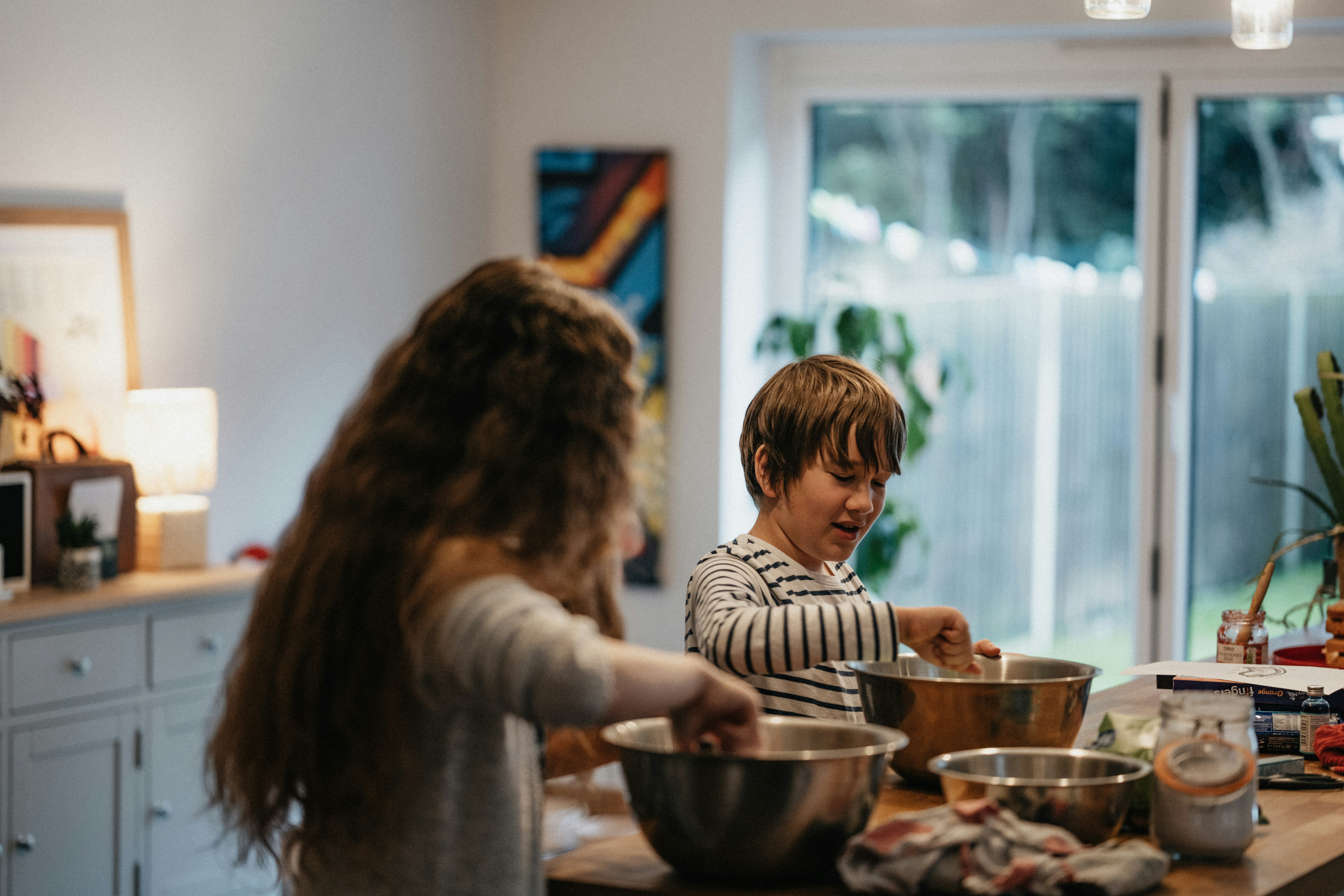
A simple fruit and yoghurt bowl shows how one cooking activity can support several areas of development without becoming overly complicated.
1. Preparing For The Activity
Children and educators wash and dry their hands through a thorough hygiene process. The educator explains that the ingredients and utensils have been prepared safely and checks all relevant dietary and allergy information.
2. Exploring The Ingredients
Children look at the fruit and yoghurt and describe colours, shapes, smells, and textures first to get a familiar sense of the ingredients. They may name foods or notice a difference between two different pieces.
3. Adding And Combining
Children take turns spooning yoghurt or adding prepared fruit. The educator may count pieces with them or use sequencing language such as, “First the yoghurt, then the fruit.” If the bowl lacks ingredients, this might be the right time to ask them to add more fruits.
4. Talking About The Process
The educator asks simple questions about what has changed. Children can describe what they did, what they noticed, or which part they enjoyed. Focus on texture or different words that describe the texture.
5. Supporting Choice Without Pressure
Children decide whether they want to taste the food. A child who does not eat it can still participate in preparing, observing, smelling, or serving.
6. Helping To Clean Up
Children return safe items, place waste in the correct container, or help wipe the table. This connects cooking with hygiene, responsibility, and self-help routines.
The activity is simple, but it includes coordination, language, early maths, sensory exploration, independence, and cooperation.
Lists of Age-Appropriate Kitchen Tasks for Children
Children’s roles should reflect their development, abilities, confidence, and level of supervision.
Babies And Children Under Two
Participation may focus on watching an educator, listening to language, smelling a safe ingredient from an appropriate distance, or exploring a prepared food texture under very close supervision.
Toddlers Aged Two To Three
Toddlers may help with simple tasks involving preparation: wash fruit or vegetables, tear soft leaves, place prepared ingredients in a bowl, stir with a large utensil, or pour from a lightweight container with assistance.
Preschoolers Aged Three To Five
Preschoolers may be ready to measure prepared ingredients, mash soft foods, spread with a suitable child-safe utensil, count portions, set part of the table, or help follow a short visual recipe.
These are general examples rather than fixed milestones. Some children may need more support, while others may be ready for additional steps
Keeping Cooking Safe At Childcare And Home
Good hygiene comes before children begin preparing food. Hands should be washed and dried, work surfaces and utensils kept clean, and ingredients prepared and stored safely. Educators must also check allergies, dietary requirements, choking risks, cross-contamination, and the suitability of each tool before children participate.
Young children need close supervision and should not have uncontrolled access to knives, hot surfaces, electrical appliances, hot liquids, raw ingredients requiring specialist handling, or cleaning products. Australian early childhood food-safety guidance similarly emphasises supervision, handwashing, clean preparation areas and appropriate handling of equipment.
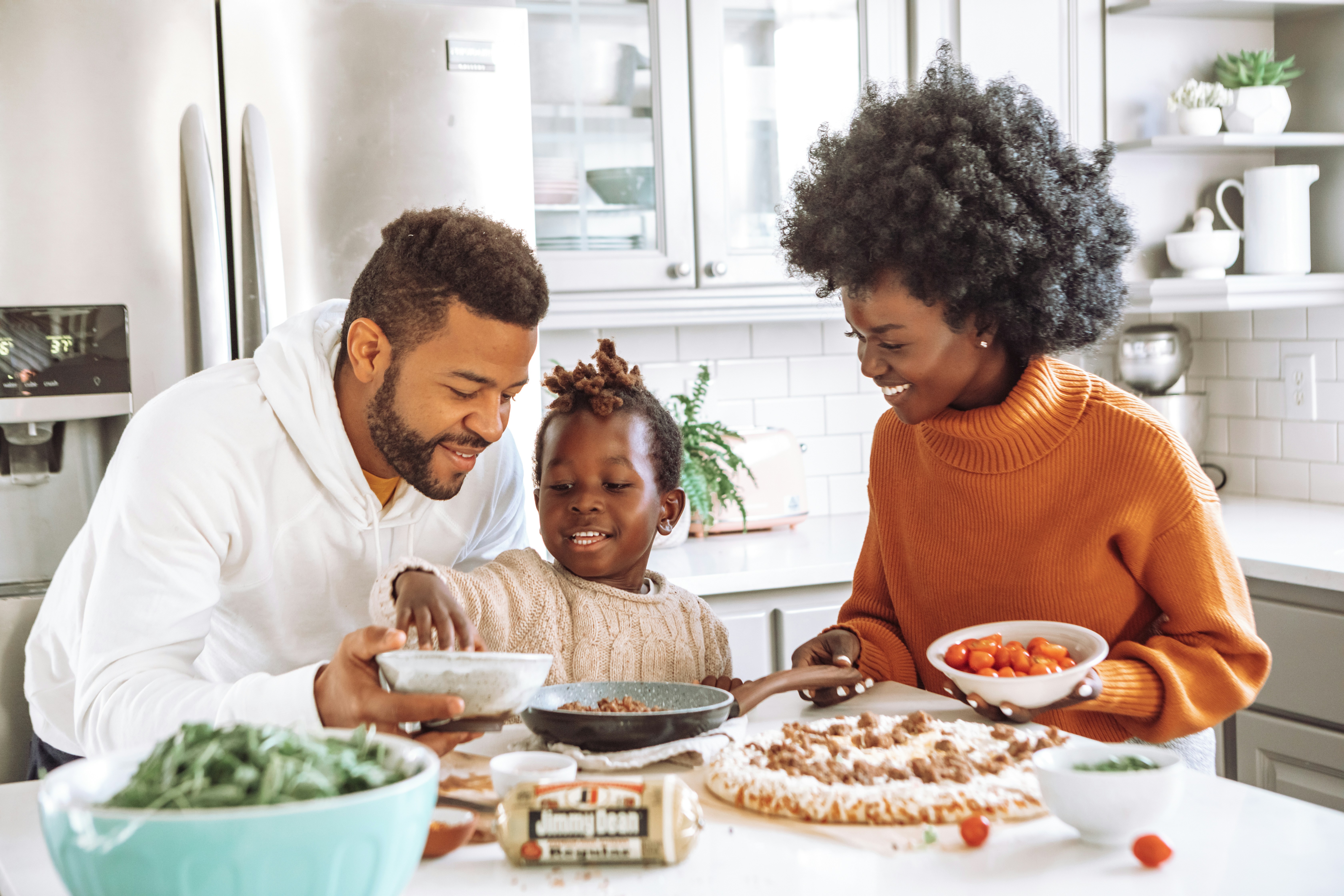
Families can use the same principle at home by starting with one manageable task. A toddler might wash suitable produce, while a preschooler could add a pre-measured ingredient or stir while an adult steadies the bowl. Giving calm, specific guidance such as “Hold the bowl with one hand while you stir slowly” is more useful than repeatedly saying “Be careful”.
For families wanting more practical examples, the existing 15 Best Cooking Activities For Toddlers In Childcare article can then be linked naturally from this final paragraph.
Inspira Kids In The Kitchen
At Inspira Kids, cooking activities are planned as supervised, age-appropriate parts of the early childhood program. The emphasis is on participation, development, communication, and safe routines rather than producing a perfect result.
Educators adapt the experience according to children’s ages, abilities, interests, dietary requirements, and confidence. Children may explore ingredients, follow a simple sequence, practise a self-help skill, or contribute one step to a shared activity.
Cooking also connects the program with familiar experiences children see at home. It gives them opportunities to ask questions, share family knowledge, and understand how food moves from separate ingredients to something prepared together.
Families who would like to understand how practical activities, food routines, and play-based development are included throughout the day can book a tour at their nearest Inspira Kids centre.