

What Does A Standard Long Day Care Look Like? Questions You Should Ask When Touring A Centre
Choosing a long day care centre is a big step for many families. Parents may want to know what a normal day looks like, how educators support children, what meals and rest time involve, and whether the environment feels safe, warm, and well organised.
In Australia, standard long day care provides care, routines, play, early learning, social connection, and communication with families across the day. This article explains what long day care usually includes, what parents may expect from a standard day, and which questions to ask when touring a childcare centre.

What Is Long Day Care In Australia?
Long day care is a type of centre-based early childhood education and care provided in approved childcare centres. In Australia, it is sometimes called Centre Based Day Care and commonly operates Monday to Friday across longer daily hours to support working families. Many centres cater for children from birth to school age, with children grouped by age, developmental stage, room size, educator ratios, and the centre’s approach.
A long day care centre can operate with different rooms curated for babies, toddlers, and preschool-aged children, creating learning spaces depending on learning methods or techniques childcare may apply. Each room has its own routine, educators, activities, meals, rest periods, and communication with families.
The exact routine can vary between services. A baby room may follow more individual sleep and feeding patterns, while a preschool room can have more group experiences, school-readiness activities, and independent routines.
The main point for parents to remember is that long day care should combine care and early learning. Children are not simply being watched but being supported through routines, relationships, play, exploration, communication, and guided experiences that help them feel safe and ready to learn.
What A Standard Long Day Care Day May Include
A standard long day care day usually follows a predictable routine. This helps children understand what comes next and feel more settled in the environment.
The routine may look different from centre to centre, but standard long day care at Inspira Kids starts with arrival, meals, indoor play, outdoor play, educator-led learning, rest time, care routines, and pick-up communication.
Arrival And Settling In
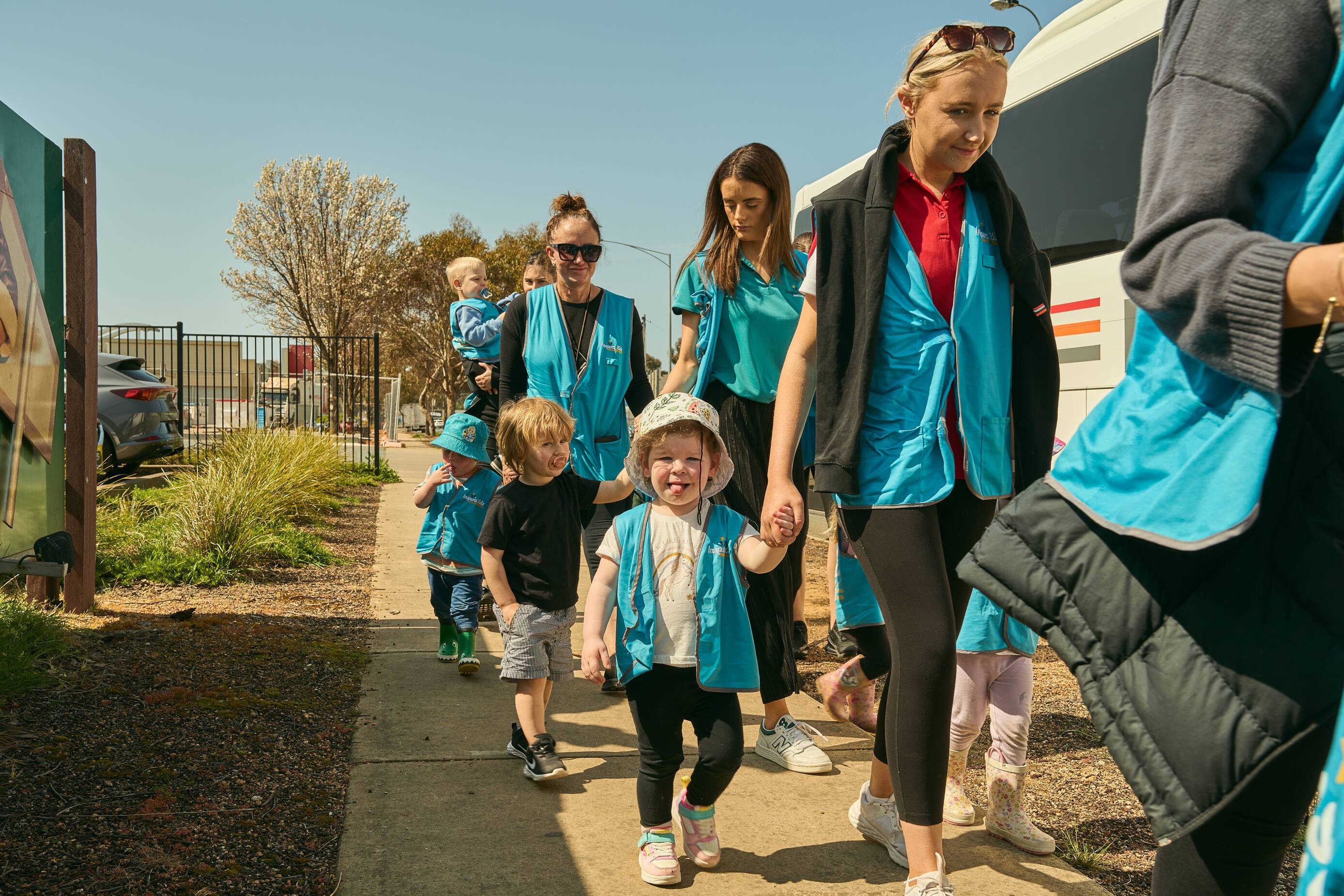
The day often begins with arrival and drop-off. Educators can greet the child, speak with the parent, help the child settle, and support the transition from home to care.
Some children separate quickly. Others may need more time, comfort, or a familiar routine. This is especially common for children who are new to care or experiencing separation anxiety in childcare. A good long day care centre will support this transition calmly, with educators who notice each child’s mood, energy, and comfort level at arrival.
Meals, Snacks, And Care Routines
Meal routines are an important part of a standard long day care day. Depending on the centre, meals and snacks may be provided by the service, prepared on site, or brought from home.
A typical meal routine may include morning tea, lunch, afternoon tea, and regular water breaks. Educators may also support children with handwashing, sitting together, trying foods, using utensils, and learning simple mealtime routines.
For younger children, nappies, toileting, bottle feeding, and hygiene routines are also part of the day. These care moments should feel respectful, safe, and unhurried.
If parents want to understand more about food expectations, allergies, packed food, and centre rules, they can also check the centre’s food policy.
Indoor And Outdoor Play
Indoor and outdoor play in childcare gives children different ways to move, explore, think, and connect with others.
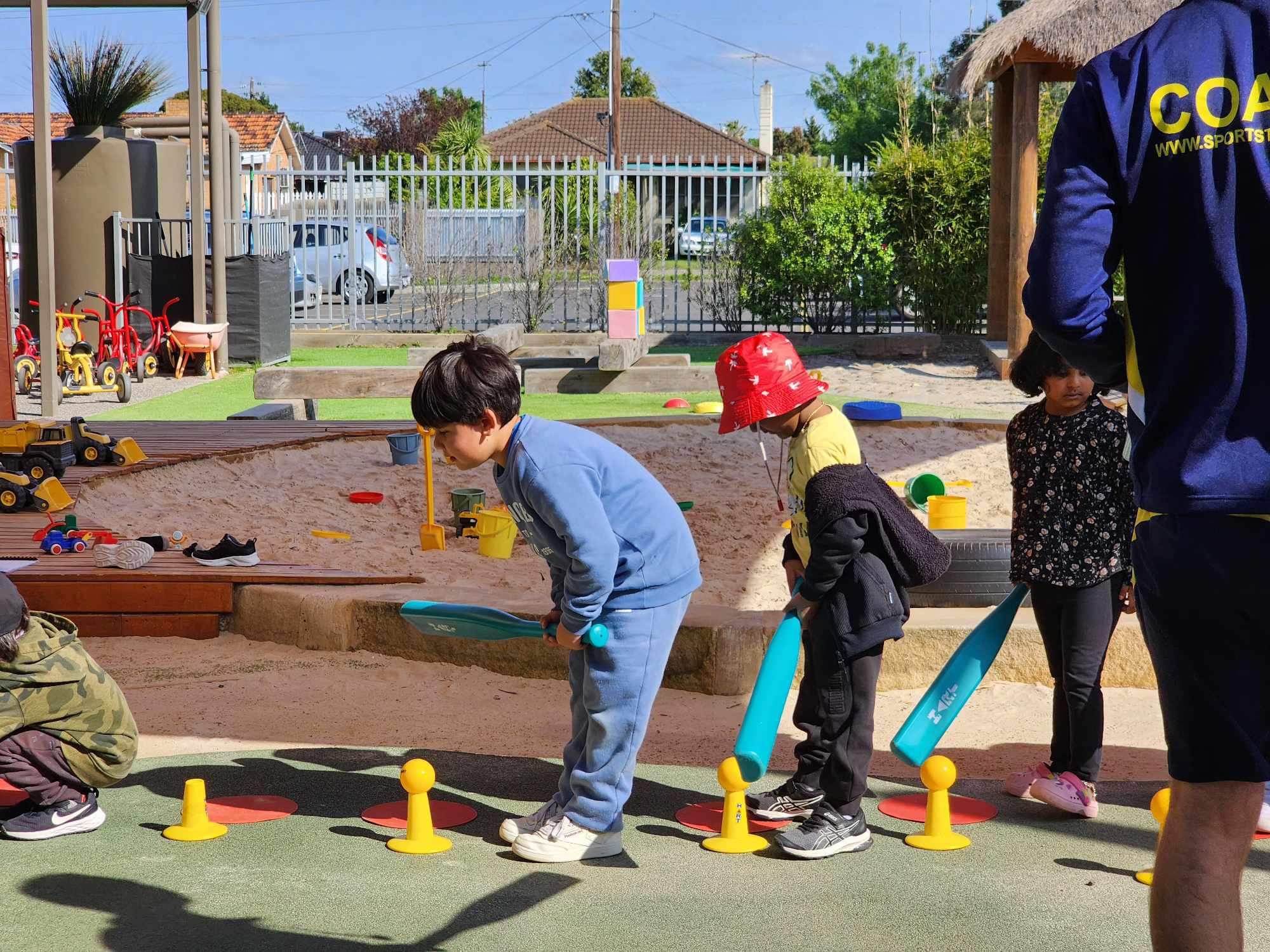
Indoor play includes blocks, books, dramatic play, puzzles, drawing, sensory activities, music, small group experiences, and quiet learning areas. Outdoor play may include climbing, running, sand play, water play, gardening, nature exploration, bikes, balls, or shaded play spaces.
A good long day care routine should include both to handle active and calmer moments. Children need time to move their bodies, but they also need time to slow down, focus, create, and explore materials at their own pace.
Parents can look for a balance between free play and guided experiences. The room should not feel chaotic, but it also should not feel overly controlled.
Educator-Led Learning And Group Experiences
Long day care usually includes educator-led learning throughout the day. In early childhood, this does not always look like formal lessons. Learning often happens through play, routines, stories, conversations, songs, problem-solving, and hands-on activities.
Educators may guide children through early learning activities that support simple academic foundations. This can include recognising numbers, noticing letters and sounds, building vocabulary, listening to picture books, exploring simple science ideas, counting objects, or talking about colours, shapes, and patterns.
At the same time, group experiences also help children build social and school-ready habits. For preschool-aged children, this may include listening in a group, taking turns, asking for help, caring for belongings, following routines, joining projects, and practising communication with educators and peers.
When these experiences are guided with care, children can build both early learning skills and confidence in how they participate, think, and connect with others.
Rest Time And Quiet Time
Rest routine could be overlooked, but in fact a short rest in between plays a vital role in ensuring an effective afternoon session. For babies and toddlers, this may include naps based on sleep needs. If children don’t want to nap, standard daycares could provide suitable material for calm activities like reading stories or a short rest.
Rest routines should be safe, supervised, and responsive. Not every child will sleep every day, and not every child needs the same amount of rest. A good centre will understand the difference between nap time, quiet rest, and calm recovery after active play.
Pick-Up And Family Communication
At the end of the day, educators may speak with parents about how the child ate, slept, played, settled, and joined activities. Some centres may also use digital updates, photos, learning notes, or daily summaries.
Pick-up communication helps families understand the child’s day and supports consistency between home and care. It is also a chance for parents to raise questions, share changes, or discuss any concerns. A strong long day care environment should make family communication informative, with instant updates that educators might notice throughout the day.
Why Long Day Care Routines Vary Between Centres
There is no single long day care routine that every centre follows. Routines can vary depending on the centre’s opening hours, room structure, age groups, philosophy, staffing, meals, outdoor environment, and educational program.
A baby room may follow individual sleep and feeding needs more closely. A toddler room may include more movement, sensory play, toileting support, and short group experiences. A preschool room may include more structured group times, project work, early learning activities, and preparation for school routines.
This is why centre tours are so important. Parents should not only ask what the routine is. They should also observe how the routine feels. A good routine should support children without making the day feel rushed, rigid, or overwhelming.

Questions To Ask When Touring A Long Day Care Centre
A centre tour is a good chance to understand how the service works in real life. Parents do not need to ask every question, but preparing a few key questions can help them compare centres more clearly. Parents may want to ask about:
Educators and ratios: understand who will care for your child and how supervision is managed.
What qualifications do educators hold?
How many educators are usually with the children?
How are educator-to-child ratios managed during the day?
Daily routine: see whether the day feels predictable, balanced, and suitable for your child’s age.
What does a typical long day care routine look like for this age group?
How much time do children spend indoors, outdoors, resting, eating, and joining group experiences?
Meals and rest time: understand how eating, allergies, sleep, and quiet time are handled.
Are meals and snacks provided?
How are allergies or dietary needs managed?
What happens if a child does not sleep during rest time?
Indoor and outdoor play: check whether children have enough space and variety for movement, creativity, and exploration.
How often do children go outside?
Is there shade and safe supervision?
What kinds of indoor play materials are available?
Safety and hygiene: understand how the centre keeps children safe, clean, and well supervised.
How are children supervised?
What are the sign-in and sign-out procedures?
How are illness, medication, cleaning, and emergencies managed?
Communication with families: know how the centre will keep you informed about your child’s day.
How will educators share updates about meals, sleep, toileting, learning, and behaviour?
Who should parents speak to if they have a concern?
Room transitions and behaviour guidance: understand how children are supported through change, emotions, and social learning.
How does the centre support children when they move rooms?
How do educators guide big feelings, conflict, sharing, or challenging behaviour?
What Parents Should Look For During A Centre Tour
Questions are important, but observation matters too. During a tour, parents can look at how the centre feels, not only what is written in the brochure.
Room Flow And Educator Interactions
A quality long day care environment often has a calm and purposeful room flow. Children may be busy, playful, and active, but the room should still feel supervised and organised.
Parents can notice whether educators are close enough to respond to children’s needs, speak respectfully, get down to the child’s level, and guide behaviour calmly. Warm educator interactions are often one of the clearest signs that children feel known and supported.
During a tour, parents can notice how educators greet children during arrival or transitions. Warm greetings, using children’s names, responding calmly to emotions, and helping children separate from parents with care are all good signs of a supportive environment.
Materials, Hygiene, And Daily Care
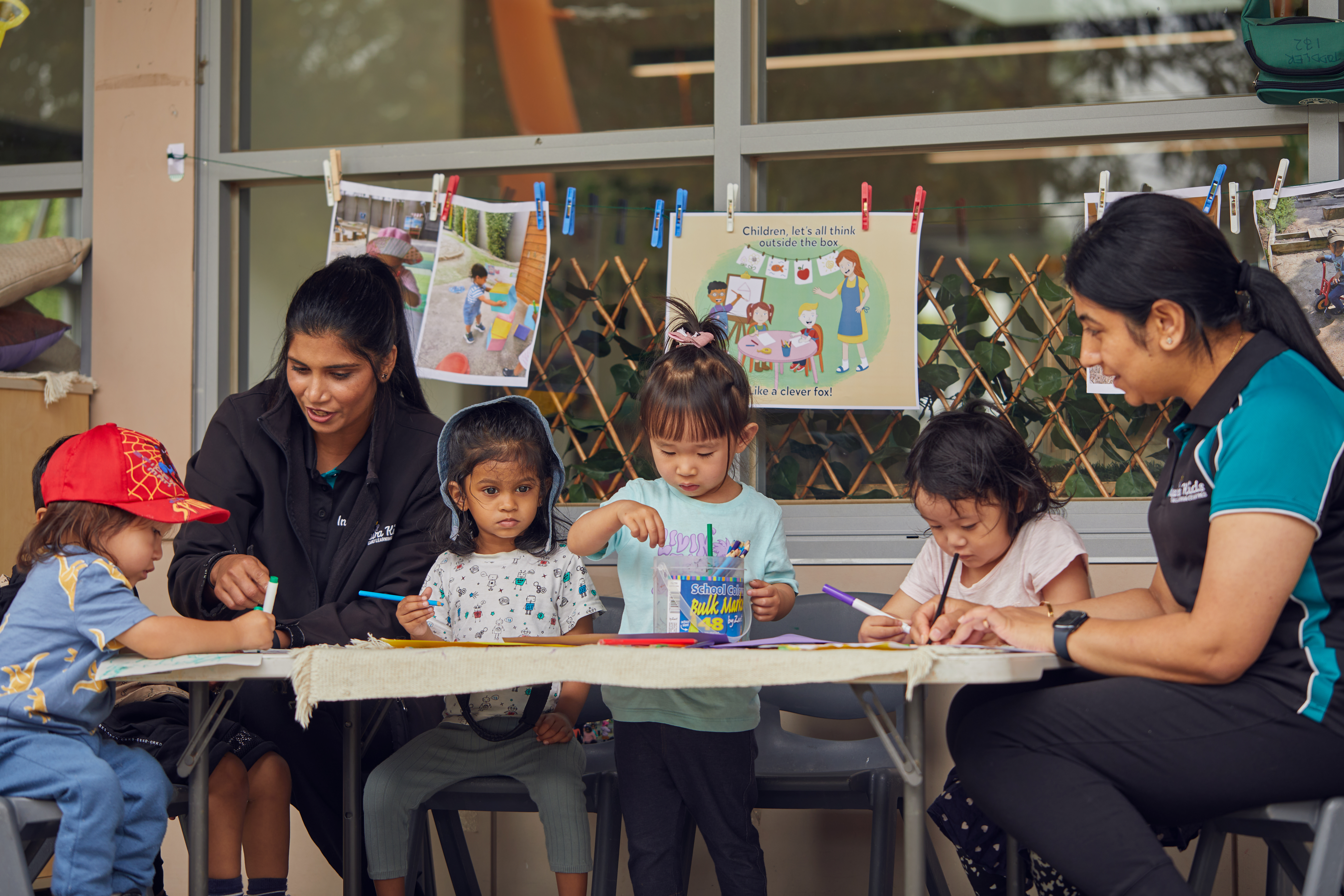
Accessible materials are another useful sign. Children should be able to reach some age-appropriate toys, books, art materials, blocks, or sensory resources. This supports independence, choice, and engagement during the day.
Parents can also look for visible hygiene practices, such as handwashing routines, clean tables, safe food handling, labelled belongings, tidy bathrooms, and organised rest spaces. These everyday details can show how carefully the centre manages daily care.
Outdoor Spaces And Family Communication
Outdoor areas should feel safe, inviting, and suitable for children’s age and development. A good outdoor space does not need to be complicated, but it should give children room to move, explore, and play with appropriate supervision.
Finally, parents should notice how the centre communicates. A good tour should feel open and respectful. Families should feel comfortable asking questions, sharing concerns, and learning how the centre will support their child.
Supporting Children Through Long Day Care At Inspira Kids
At Inspira Kids, long day care is designed around the belief that children should be cared for, supported, and guided in ways that match their individual needs. Care is not separate from learning. It is woven into everyday routines, play, relationships, and the way educators respond to each child.
This approach connects with Inspira Kids’ USP. Through the Body pillar, children are supported with meals, rest, movement, hygiene routines, and safe indoor and outdoor play. Through the Mind pillar, children are encouraged to explore, ask questions, build early learning skills, and take part in guided play. Through the Character pillar, children practise confidence, independence, communication, care for others, and school-ready habits.
Educators observe each child’s needs and interests, then guide them through daily moments such as arrival, meals, rest time, play, learning experiences, transitions, and pick-up. These everyday routines help children feel secure while giving them repeated opportunities to =grow at their own pace.
By combining safe care, engaging environments, and responsive early learning, Inspira Kids helps children feel supported throughout the long day care routine. Book a tour now for your child at Inspira Kids!
FAQ
What Does A Long Day Care Routine Usually Include?
A long day care routine may include arrival, meals, indoor and outdoor play, educator-led learning, nappy or toileting routines, rest time, quiet activities, and pick-up communication. The exact routine can vary by centre and age group.
Is Long Day Care Only Supervision?
No. Quality long day care combines supervision, care, routines, play, and early learning. Children are supported through relationships, guided activities, social development, communication, movement, rest, and everyday routines.
What Should Parents Ask When Touring A Long Day Care Centre?
Parents can ask about educator qualifications, ratios, daily routines, meals, rest time, safety, communication, outdoor play, room transitions, and behaviour guidance. It is also helpful to observe how educators interact with children during the tour.
Do All Long Day Care Centres Provide Meals And Nappies?
Not always. Some centres provide meals, snacks, nappies, or wipes, while others may ask families to bring some items from home. Parents should check what is included in the daily fee before enrolling.
Does Inspira Kids Support Sun Protection During Long Day Care?
Yes. Inspira Kids supports children during outdoor play through sun-safe routines such as sunscreen, hats, shade, hydration, and supervised outdoor time. Families can also speak with the centre team about personal care items such as sunscreen preferences, sunglasses, towels, or any skin sensitivities their child may have.