NAIDOC Week Activities: Respectful Ways For Early Childhood To Explore Culture
NAIDOC Week is an important time for early childhood services to recognise Aboriginal and Torres Strait Islander histories, cultures, achievements, and voices. In 2026, NAIDOC Week will be held from 5–12 July, with the theme “50 Years of Deadly”.
For young children, NAIDOC Week activities should be respectful, age-appropriate, and guided by educators. When planned with care, these experiences can help children build curiosity, belonging, and respect for Aboriginal and Torres Strait Islander peoples and cultures.
What NAIDOC Week Means In An Early Childhood Setting
In an early childhood setting, NAIDOC Week allows educators to introduce children to Aboriginal and Torres Strait Islander cultures through respectful learning. For young children, this can begin with simple experiences such as picture books, music, natural materials, and conversations about family, community, care for nature, and respect for the places where people live and learn.
This week is an important event as it helps children begin to understand that Aboriginal and Torres Strait Islander cultures are living cultures, with deep stories, knowledge, languages, creativity, and connections to Country.
Educators can also connect this learning with broader reconciliation practice through ongoing classroom conversations and resources.
How To Plan Respectful NAIDOC Week Activities For Early Childhood
Planning respectful NAIDOC Week activities for early childhood begins with a clear purpose. Educators should consider what children will learn, whether the experience is suitable for their age, and how it connects to Aboriginal and Torres Strait Islander voices.
A respectful approach means using trusted resources created or guided by Aboriginal and Torres Strait Islander people. Educators should avoid stereotypes, generic symbols, or activities without context. Each activity should help children learn about respect, connection, and culture simply and thoughtfully.
NAIDOC Week can be a valuable starting point, but culturally responsive practice should continue throughout the year.
3 NAIDOC Week Activities For Early Childhood
The following NAIDOC Week activities are simple enough for young children, but they should still be planned with care. Each experience should be guided by educators and supported by respectful resources.
Storytelling And Picture-Book Discussions
Picture books are a gentle way to introduce children to ideas about culture, family, country, community, and belonging. Educators can choose books by Aboriginal and Torres Strait Islander writers or illustrators, especially stories that reflect lived experiences, everyday family life, connection to Country, or stories inspired by the author’s own background.
Children do not always need a formal lesson about culture to begin learning respectfully. Sometimes, cultural appreciation starts with listening to an everyday story set in a different cultural context. A book may show how a family spends time together, how people care for the land, how children play, or how community relationships are valued.
Educators can guide children through simple conversations about what they notice in the story. Questions may include: “What did you notice in the pictures?”, “How did the characters care for each other?”, or “What did the story show us about the place or family?”
Music, Movement, And Rhythm Experiences
Music and movement can help children explore rhythm, listening, and expression. Educators may introduce age-appropriate music by Aboriginal and Torres Strait Islander artists, then invite children to create simple rhythms through clapping, tapping, drums, or body percussion.
If the activity is only a gentle introduction to rhythm and listening, educators can keep it simple and focus on how music makes children feel, what sounds they notice, and how rhythm can be followed respectfully. Children can clap along, tap a simple beat, or move gently to the music without copying cultural songs, dances, or ceremonies.
When introducing music or movement connected to Aboriginal and Torres Strait Islander cultures, educators should explain that these forms of expression should be approached with respect. The activity should not become a joking, exaggerated imitation, or performance without context.
For deeper music or dance experiences, services may consider working with an Aboriginal or Torres Strait Islander artist, educator, or community member.
Nature-Based Connection To Land Activities
Nature-based activities can help children think about care for the land and their connection to the natural environment. Educators might bring in safe native plants, leaves, seed pods, bark, or traditional patterns for children to observe, touch, smell, and describe under close supervision.
Simple prompts such as “What does this leaf feel like?” or “How can we care for plants?” can encourage observation, vocabulary, curiosity, and respect for nature.
Educators should make sure all materials are safe and avoid using natural objects from culturally significant places without understanding their meaning. Where possible, local guidance can help services talk about land, care, and connection more respectfully.
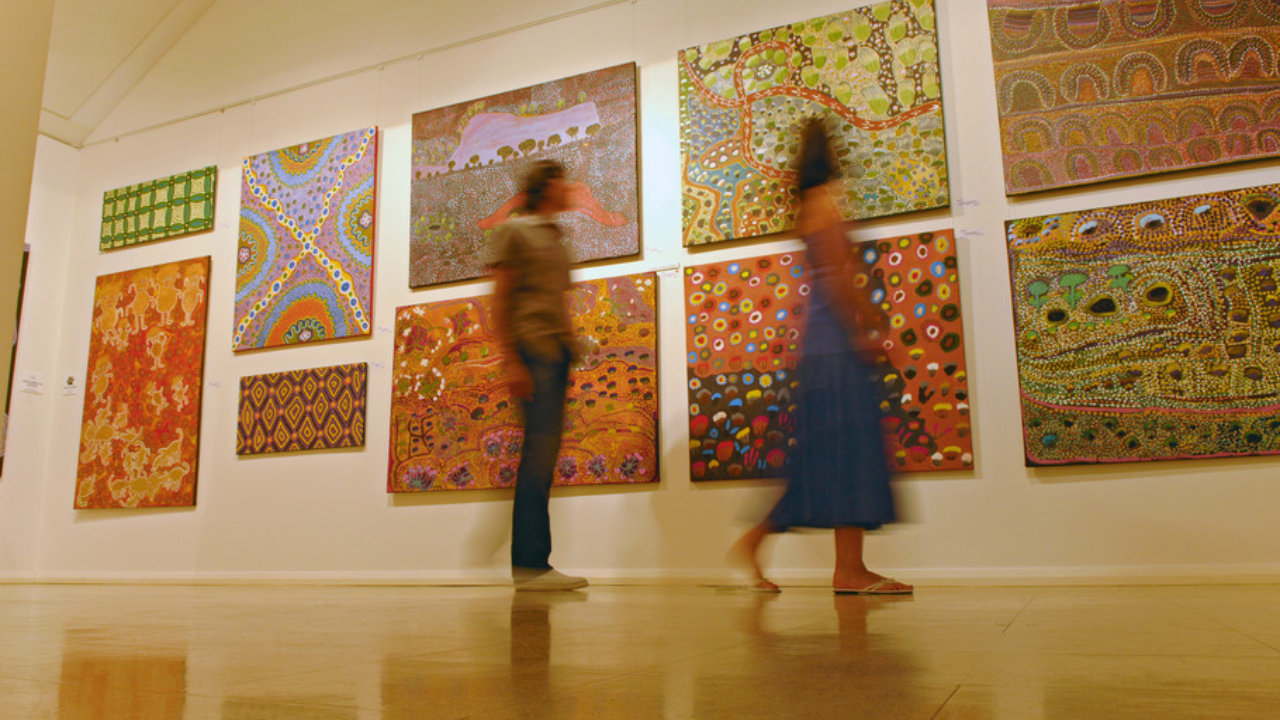
Practical Tips For Educators During NAIDOC Week
Respectful NAIDOC Week learning depends on how educators plan, guide, and extend each experience. The aim is not to create a one-off themed lesson, but to help children build respect, belonging, curiosity, and connection in ways they can understand.
Teach Children How To Show Respect
During NAIDOC Week activities, educators play an important role in helping children understand what respectful behaviour looks like. Young children may be curious, excited, or unsure, so they need clear and gentle guidance from adults.
Educators can model respectful listening, careful handling of books or materials, and calm language when talking about people, places, stories, and traditions. If a child laughs at something unfamiliar, copies a movement in a silly way, interrupts a story, or uses careless language, the educator can pause and redirect the moment.
For example, an educator might say, “We listen carefully when someone shares a story,” “This is not something we joke about,” or “Let’s look at this respectfully.” These short responses help children understand that curiosity is welcome, but disrespectful behaviour needs guidance.
The aim is not to shame children for making mistakes. It is to help them learn how to ask questions, notice differences, and engage with cultural learning in a kind and respectful way.
Use Trusted NAIDOC Week Resources
Educators should prioritise trusted resources or activities found online. Official educational resources, cultural toolkits, picture books by Aboriginal and Torres Strait Islander creators, local community guidance, and resources from recognised organisations can help make learning more accurate and respectful.
The National NAIDOC Committee provides official educational resources and a supporting toolkit to help schools and early childhood settings plan thoughtful NAIDOC Week learning. Educators may also look for local NAIDOC Week events or community opportunities, where appropriate, to connect children’s learning with broader celebrations.
Keep Cultural Learning Respectful
Respectful cultural learning requires preparation. Educators should avoid using Aboriginal and Torres Strait Islander cultures only as a theme, decoration, or craft idea. They should also avoid asking children to copy cultural symbols, stories, artwork, songs, dances, or ceremonies without context or guidance.
A stronger approach is to focus on listening, learning, and connection. This may include reading books by First Nations creators, inviting a local guest with appropriate permissions, using official resources, exploring native plants with care, or giving children space to ask simple questions.
For deeper experiences involving artwork, storytelling, music, dance, or language, services may need to collaborate with Aboriginal and Torres Strait Islander artists, educators, Elders, or community organisations.
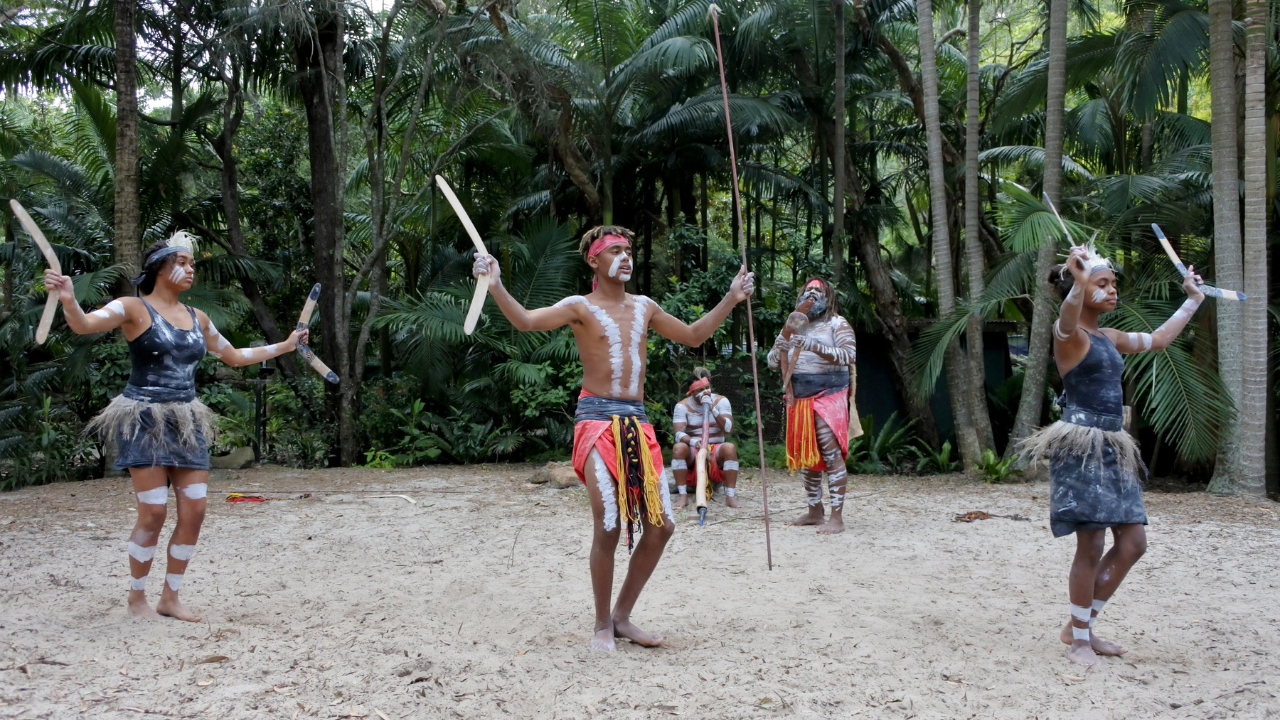
Supporting Respectful Cultural Learning At Inspira Kids
NAIDOC Week activities for early childhood should be planned with respect, care, and a clear learning purpose. For young children, cultural learning works best when it is simple, guided, and connected to stories, music, nature, conversation, and everyday experiences.
At Inspira Kids, these experiences support children’s Character by helping them practise respect, curiosity, care, and thoughtful connection with the world around them. Through age-appropriate NAIDOC Week activities, children can begin to understand that people, places, stories, languages, and traditions matter.
By using trusted resources, seeking guidance where needed, and focusing on connection rather than decoration, early childhood services can create learning experiences that support belonging, communication, and culturally responsive practice beyond one week.