Nursery Rhymes For Children Aged 3–5: Early Literacy Activities Using Songs And Rhymes
Nursery Rhymes For Children Aged 3–5: Early Literacy Activities Using Songs And Rhymes
Nursery rhymes for children aged 3–5 are a great source of linguistic lessons that children can repeatedly use to learn how languages might sound. Their repeated words, strong rhythm, and predictable sound patterns give preschoolers many chances to listen closely, anticipate what comes next, and join in at a level that feels comfortable.
These small forms of participation can build confidence with spoken language while keeping the experience playful. In this article, let’s explore some of the well-known nursery rhymes that could help children understand how language works, therefore developing strong linguistic skills at a young age.
Why Nursery Rhymes Support Early Literacy
As children begin developing early literacy skills, they can start noticing how spoken language sounds. The Australian Government Literacy Hub describes phonological awareness as the ability to hear sound patterns in spoken language, including rhyme, syllables and individual sounds. Songs and nursery rhymes are a natural way to draw attention to these patterns because children hear the same words and sounds repeating in a similar routine.
For example, when a child notices that two words sound similar at the end, claps the beats in a name, or predicts a familiar word in a rhyme, they are paying attention to the sound structure of language. At the same time, the rhyme can introduce new vocabulary, support memory, and give children an easy way to practise expressive communication without requiring a formal reading lesson.
Phonological Awareness and Phonics Develop Differently
Phonological awareness happens through listening and speaking. A child can practise it with their eyes closed because the focus is on hearing parts of spoken words, such as rhyme, rhythm, syllables and beginning sounds. After hearing and figuring out the formation of phonic sounds, children then focus on connecting speech sounds with written letters and letter patterns.
Of the four essential language skills, listening is fundamental; it is the fundamental skill that children use subconsciously to gather information. That’s why, in early learning, presenting nursery rhymes should also focus on listening in an engaging way; singing, clapping, moving, and playing with words can give children useful early experiences with the sounds of language.
Five Nursery Rhymes And Early Literacy Activities
The following rhymes show how simple songs can be extended into playful early literacy experiences. Each activity focuses on a different skill while keeping participation flexible and enjoyable for children aged 3–5.
1. Twinkle, Twinkle, Little Star: Predict The Familiar Word
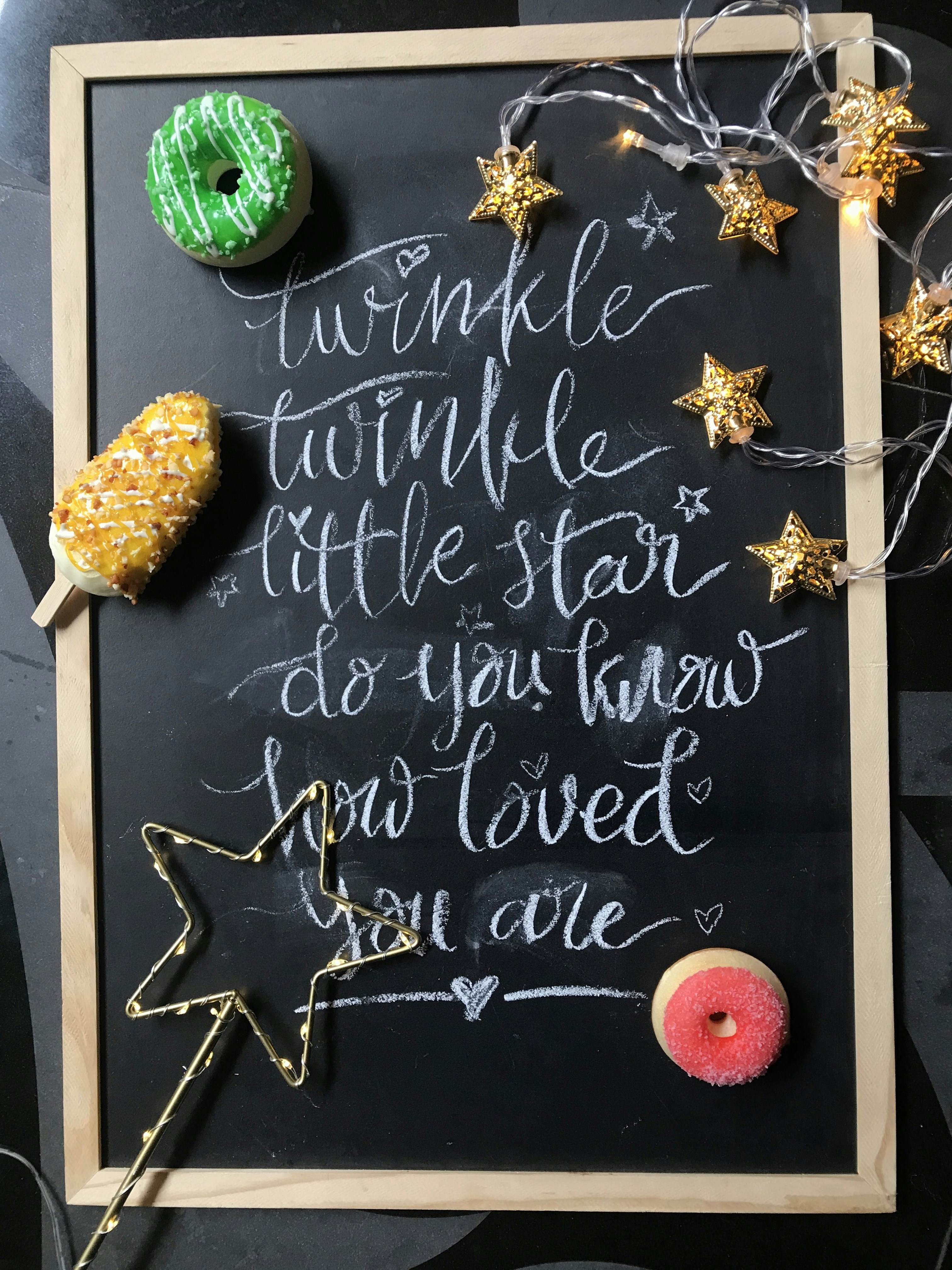
Twinkle, Twinkle, Little Star is a soothing nursery rhyme that is widely used in childcare settings because its simple rhyme and repetition provide opportunities to practise listening, repetition, and prediction. After children know the rhyme, pause briefly before an expected word and give them time to respond.
You can extend the conversation with simple descriptive words related to the night sky, such as bright, dark, tiny, shiny, or far away. The purpose is not to test whether children remember the rhyme. It is to help them notice familiar language, anticipate a sequence, and add useful vocabulary to a shared experience.
2. Incy Wincy Spider: Put The Story In Order
Incy Wincy Spider uses simple sentences to describe an ordinary scenario of a small spider climbing onto a spout. The rhyme can be presented with hand movements or three simple picture cards showing the main events. After singing, invite children to arrange the cards as first, next and last.
Adults can model action words such as climb, fall, wash and rise, then use those words while talking about what happened. Rather than asking many comprehension questions, try one prompt such as, “What happened after the spider climbed?” A child who answers with a gesture or by moving a card is still showing their understanding of the sequence.
3. Hickory Dickory Dock: Clap The Syllables
This rhyme has a strong beat that makes it useful for listening to smaller parts within words. Clap or tap along with the rhythm first, then choose a few familiar words and clap their syllables. Instead of describing the image, this nursery rhyme focuses on visualising the sound, helping children get familiar with noticing sounds.
Educators can model slowly and let children copy without correcting every attempt. The important experience is noticing that spoken words can be broken into syllables. This is an early phonological awareness skill that can later support more detailed work with speech sounds.

4. Row, Row, Row Your Boat: Change The Voice And Tempo
Sing the rhyme in different ways: slowly, quickly, softly or loudly. Ask children what changed and how they knew. They may notice that the words stayed the same while the speed, volume or expression changed.
This playful variation encourages careful listening and expressive communication. It can also help children practise adjusting their own voice and movement to match a group. If a child does not want to sing, they can move a toy boat, tap the beat, or show “fast” and “slow” with their hands.
5. Five Little Ducks: Retell What Happened
Use five duck pictures, puppets, or large counters and move one as the rhyme changes. Afterwards, ask children to show or tell what happened at the beginning and what happened at the end. The props make the sequence visible and give children another way to participate if they are still developing spoken language.
Although number words are part of the rhyme, keep the literacy and storytelling purpose central. Children are listening to repeated language, remembering events and practising retelling. The counting element can support the experience without turning it into a separate numeracy lesson.
How Parents And Educators Can Keep Rhymes Playful
1. Presenting Nursery Rhymes with Engaging Activities
Children benefit from having a few familiar rhymes repeated over time. Rather than simply reciting the rhymes, make them more engaging with other expressions that will help you tell the stories better.
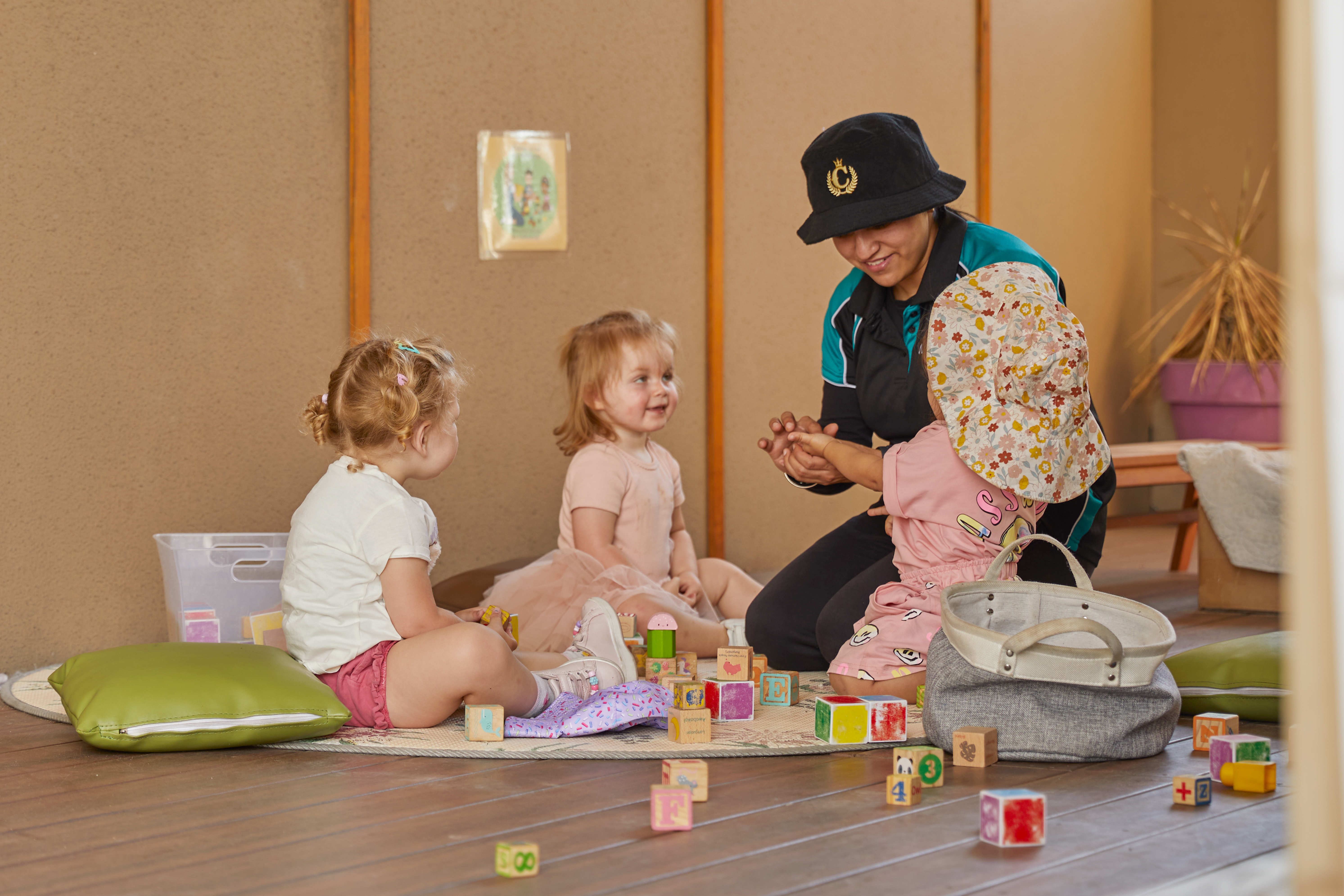
Use facial expressions, movement, puppets, picture prompts or simple objects to make the language easier to follow. Sing slowly enough for children to hear the words, and pause occasionally rather than after every line.
Adults can also accept different ways of joining. Watching, moving, making a sound, completing one word, or choosing a picture can all be meaningful participation. If children lose interest, change the activity or finish the rhyme rather than asking them to continue for the sake of completion.
2. Apply Visual Support During Teaching
Bilingual songs, picture cards, gestures, puppets and familiar objects can make participation more accessible. Children who are developing spoken communication may join through pointing, actions, facial expressions or sounds. Children who find loud group singing uncomfortable may prefer a quieter activity, a smaller group or a shorter turn.
No child should be required to sing alone or perform in front of the group. The goal is shared language and communication, not performance.
Nursery Rhymes And The C.O.R.E Literacy Program At Inspira Kids
At Inspira Kids, songs and rhymes can sit alongside other experiences in the C.O.R.E Literacy Program, including storytelling, Audio Tales, the Lending Library and Show and Tell. These experiences give children different ways to listen, communicate, revisit stories and share ideas.
A rhyme may begin as a short group song and continue through puppets, drawing, movement or child-led storytelling. Educators can observe how children respond and extend the experience without requiring every child to participate in the same way. This keeps early literacy connected with communication, play and everyday relationships.
Families who would like to see how language, play and early literacy are supported across the day can arrange a tour at the nearest Inspira Kids centre and see how beautifully language is demonstrated here.
Frequently Asked Questions
1. What Are Good Nursery Rhymes For Children Aged 3–5?
Familiar rhymes with clear rhythm, repetition and actions can work well. Twinkle, Twinkle, Little Star; Incy Wincy Spider; Hickory Dickory Dock; Row, Row, Row Your Boat; and Five Little Ducks can all be extended with simple listening, movement or storytelling activities.
2. Do Children Need To Know Every Word?
No. Children can benefit from listening to one familiar word, making a sound, or joining an action. Participation can grow gradually as the rhyme becomes familiar.
3. How Often Should We Repeat The Same Rhymes?
Regular repetition can be useful because familiarity helps children anticipate words and patterns. There is no need to introduce a new rhyme every day; a small group of favourites can be revisited and extended in different ways.
4. Can Nursery Rhymes Replace Phonics Instruction?
No. Nursery rhymes are a supporting tool and can only support early phonological awareness and oral language. However, phonics explicitly connects speech sounds with written letters and spelling patterns. They are related parts of early literacy, but nursery rhymes cannot be used to completely replace phonics instruction.