
Reggio Emilia Vs Montessori: Key Differences In Early Childhood Education
Reggio Emilia Vs Montessori: Key Differences In Early Childhood Education
In early childcare settings, Reggio Emilia and Montessori are two influential approaches to early childhood education. Both respect children as capable participants, value carefully prepared environments and rely on close educator observation, but they organise curriculum, materials, relationships and documentation in different ways.
For families comparing Reggio Emilia vs Montessori, the most useful question is not which philosophy is universally “better”. It is how each approach is interpreted by a particular service, how educators interact with children, and how the program fits the Australian early childhood framework and your family’s priorities.
What Is The Reggio Emilia Approach?
The original Reggio Emilia Approach developed through the municipal infant-toddler centres and preschools of Reggio Emilia, Italy. The approach describes children as having strong developmental potential, rights, and many ways of communicating and constructing knowledge as having strong developmental potential, rights and many ways of communicating and constructing knowledge through relationships with others.
Central features include relationships, collaboration, family participation, documentation, project work, and the environment as an educator. The idea of the “hundred languages” describes the many ways children can think and express ideas through drawing, movement, construction, clay, storytelling, music, conversation, and other forms.
Inspira Kids uses this Reggio Emilia-inspired way to operate childcare centres, aiming to create a thoughtfully curated environment for children to become active learners, instead of following one static curriculum. This encourages children to learn and try new things within their capacities, rather than forcing them to learn something they couldn’t understand.
What Is Montessori Education?
Montessori education was developed by Maria Montessori and uses a carefully prepared environment with purpose-designed materials. The Association Montessori Internationale describes environments with accessible furniture, varied workspaces, and materials available for children to choose after presentation by a trained adult.
For children aged 3–6, Montessori areas commonly include Practical Life, Sensorial, Language and Mathematics, alongside cultural areas such as science, geography, music and the arts. Children can work at their own pace and develop concentration through repeated hands-on activity, while the adult observes, introduces materials, and guides according to developmental needs.
Reggio Emilia Vs Montessori: What is different about them?
Area | Reggio Emilia-Inspired | Montessori |
|---|---|---|
View Of The Child | Capable with rights and socially connected; knowledge develops through relationships and many forms of expression. | Capable and self-developing; strong emphasis on independence, concentration, choice and developmental pace. |
Curriculum | Emerges through children’s questions, observations, relationships and longer-term inquiry. | Organised around a sequenced range of activities and materials within a prepared environment. |
Educator Role | Observes, listens, documents, asks questions, collaborates and extends inquiry. | Observes, presents materials carefully, protects concentration and guides children toward suitable activity. |
Environment | Flexible and expressive; arranged to invite inquiry, collaboration and revisiting ideas. | Ordered, accessible and child-sized; materials and workspaces are carefully organised. |
Materials | Often open-ended and able to be combined, transformed and represented in many ways. | Purpose-designed materials that isolate concepts or skills and often include control of error. |
Social Learning | Often emphasises shared inquiry, dialogue and group projects. | Provides substantial individual concentration while also allowing collaborative and peer learning. |
Documentation | Highly visible as a way to interpret, communicate and extend learning. | Observation is central; documentation may be less publicly visible as part of project development. |
Families | Family participation is a foundational element of the original approach. | Family partnership is valued, though the educational structure is not organised around participation in the same way. |
View Of The Child
Both approaches reject the idea of children as passive recipients of information. Reggio Emilia places strong emphasis on children as socially connected, rights-holding participants who construct meaning with other children and adults.
Montessori also views children as active and capable. Its distinctive emphasis is on the child’s drive toward independence, self-directed activity, concentration, and development at an individual pace. Children are carefully observed and guided through intentional activities that incorporate different areas of learning, from maths, crafts, and literature.
Curriculum And Planning
Reggio Emilia-inspired curriculum often develops from children’s questions, interests, and observations. Educators prepare possibilities, listen to children’s theories and extend inquiry through materials, environments and discussion. A project may continue over days or weeks as children revisit and change their ideas.
Montessori offers children choice within a prepared environment, but that environment contains carefully sequenced activities with deliberate developmental purposes. Children can choose work and repeat it at their own pace, while the adult uses observation to decide when to introduce new materials or experiences.
Both involve intentional preparation, but the source and organisation of that preparation differ.
Role Of The Educator
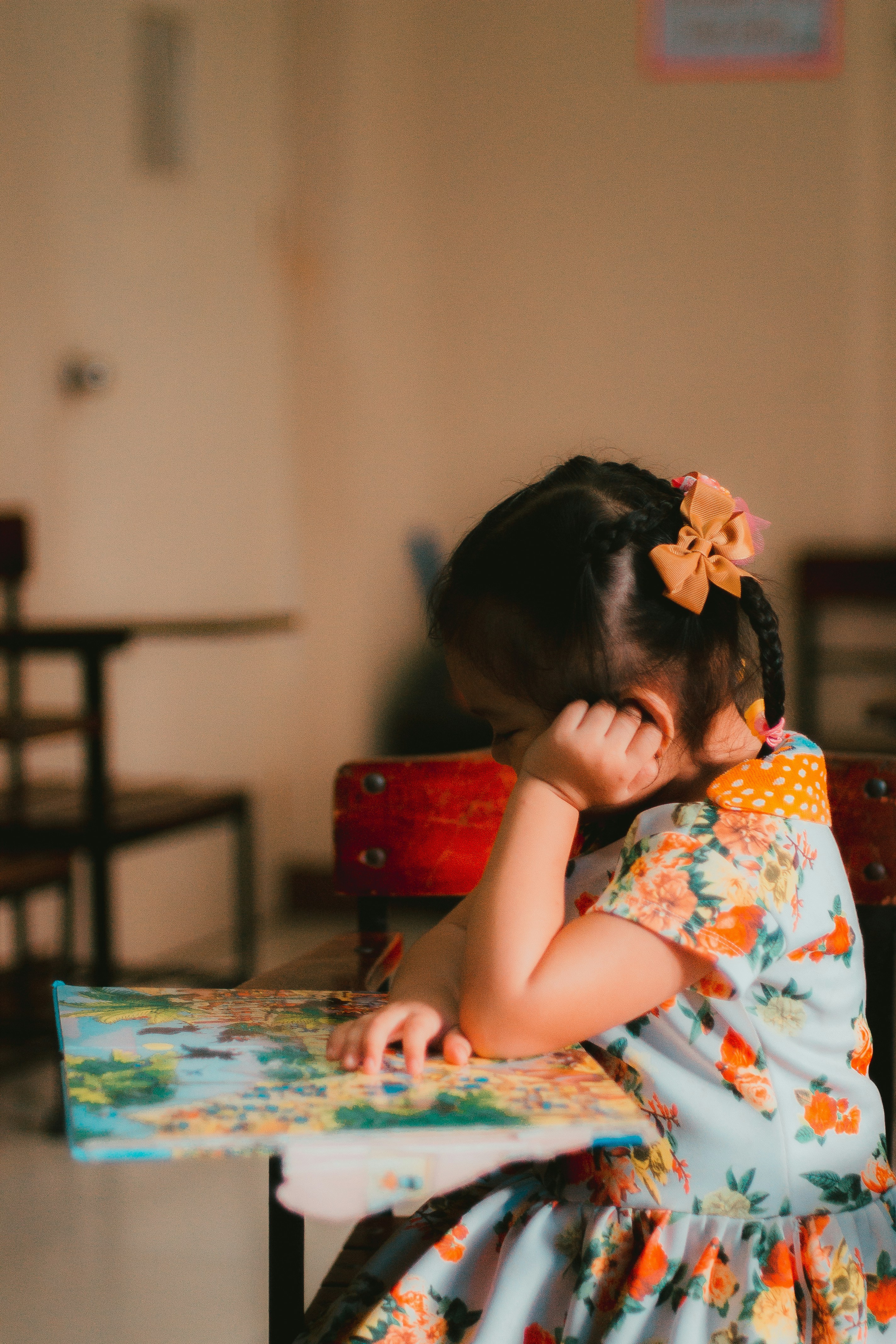
In Reggio Emilia-inspired practice, educators observe and listen closely, document children’s words and actions, collaborate with colleagues, prepare environments, and ask questions that help children revisit ideas. The educator remains active, but primarily in a supportive role
In Montessori, the trained adult is also a close observer. They introduce materials precisely, connect the child with the prepared environment, and protect periods of concentration. After presentation, children are given substantial space to work independently and repeat activities.
Neither educator's role is passive supervision. Professional observation and intentional decision-making are central to both approaches.
Learning Environment
Reggio Emilia-inspired environments are often designed to invite investigation, collaboration, and expression. Open-ended materials, visible documentation, natural light, creative spaces and connections between indoor and outdoor areas can help children return to an idea in different ways.
Montessori environments are intentionally ordered, accessible and child-sized. Materials are presented clearly on shelves, and spaces support individual work as well as movement and social connection. The environment helps children make choices without depending on the adult for every step.
Learning Materials
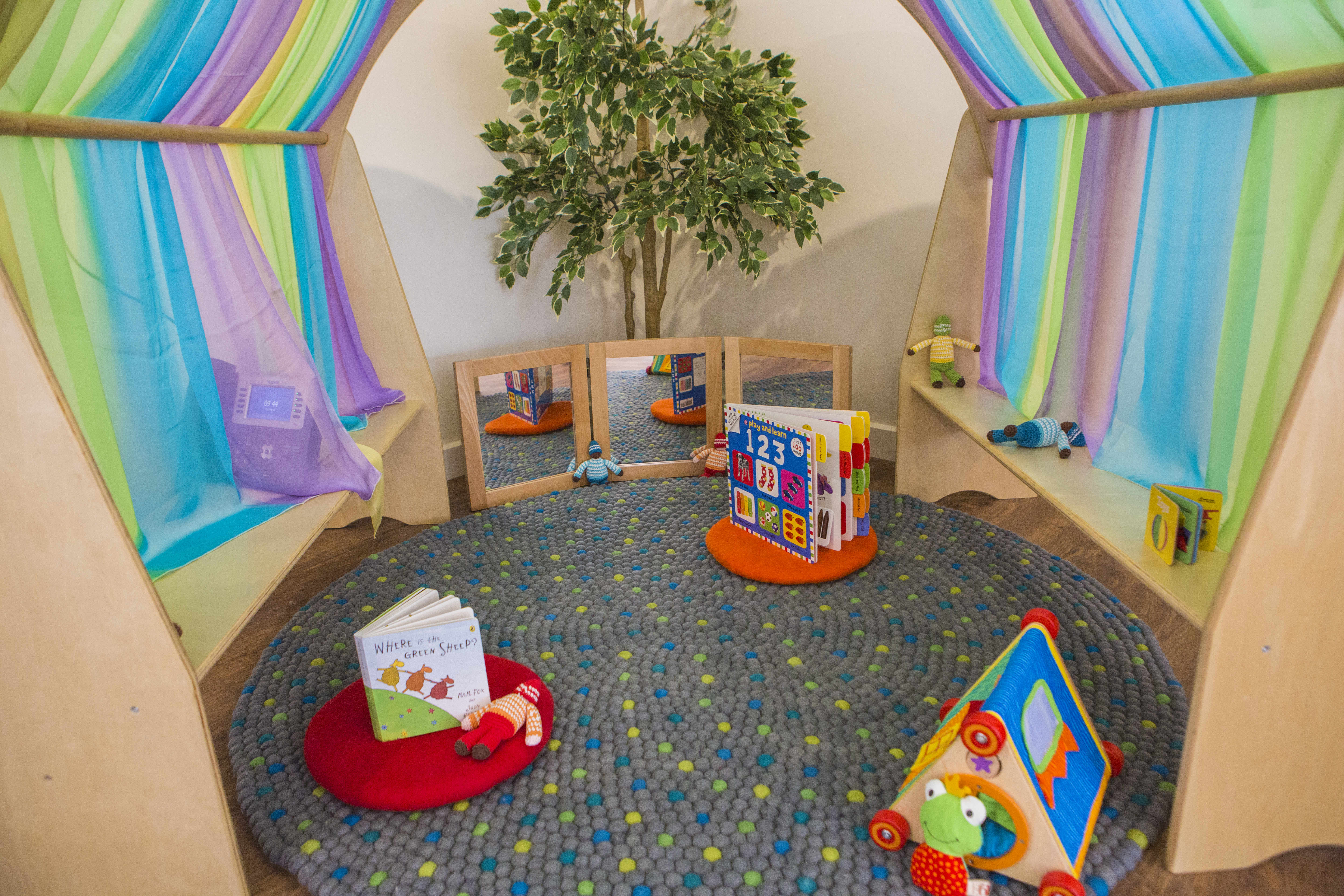
Reggio Emilia-inspired settings often use open-ended materials such as clay, loose parts, drawing media, natural objects, light, construction materials, and found resources. The same material may be used to represent many ideas depending on the project.
Montessori materials are more specifically designed to isolate a concept or refine a skill. Many include a way for children to notice and correct an error through the material itself, which supports independent feedback and repetition.
It would be inaccurate to say Montessori materials prevent creativity or that Reggio materials have no developmental purpose. The approaches simply structure the relationship between material, child, and educator differently.
Individual And Collaborative Learning
Reggio Emilia-inspired practice often makes group inquiry highly visible. Children may share theories, negotiate ideas, build together and revisit a project through conversation and documentation.
Montessori is well known for individual concentration, but it can also be collaborative or peer-to-peer. Mixed-age environments can also create opportunities for observation, social connection and helping others.
Creativity And Expression
The Reggio Emilia concept of the hundred languages places many forms of expression at the centre of inquiry. A child may explore an idea by drawing it, building it, discussing it, moving like it or testing it with materials. These forms are treated as ways of thinking rather than decorative additions after the “real” learning.
Montessori also includes art, music, science, culture and language. Creativity therefore exists in both approaches, but it sits within a differently organised environment and sequence of experiences.
Documentation And Observation
Documentation is especially visible in Reggio Emilia-inspired practice. Educators may collect children’s words, drawings, photographs, questions and changes in a project, then use these records to interpret learning and decide how to extend the inquiry. Documentation can also make children’s thinking visible to families and to children themselves.
Montessori educators also rely heavily on observation to understand readiness, concentration, interests and use of materials. The difference is that documentation may not be displayed or used as the public narrative of a collaborative project in the same way.
Families And Community
Family participation is also an important element that is emphasised by Reggio Children as a foundation of the Reggio Emilia Approach. Relationships between children, educators, families and the wider community are part of how the educational project develops.
Montessori services also value partnership with families, but the educational structure is not usually organised around family participation. In practice, individual services vary, so families should ask how communication and involvement actually work at the centre they are considering.

How Reggio Emilia And Montessori Fit Australian Early Education
Australian education and care services operating under the National Quality Framework must base their programs on an approved learning framework. For young children, this includes the Early Years Learning Framework V2.0. Neither Reggio Emilia nor Montessori replaces the EYLF: they are only ways childcare operates, not a standard learning framework.
For a child with a tendency to follow instructions and repetitive routines, A child who enjoys predictable routines and structured, repetitive activities may respond well to a Montessori environment.. On the other hand, if children are more outgoing or prefer discovering knowledge via different approaches, Reggio Emilia-inspired learning would be a better choice.
Why Inspira Kids Uses A Reggio Emilia-Inspired Approach
Inspira Kids describes its environment as Reggio Emilia-inspired rather than Reggio Emilia-certified. Within the Inspira Kids program, educators can use children’s interests as starting points for inquiry, prepare open-ended materials, encourage collaboration, and observe how children’s ideas develop.
For example, an interest in water might begin outdoors and continue through drawing, construction, measuring, storytelling, or discussion. Educators can document the questions children ask, introduce materials that extend the investigation and revisit earlier ideas with the group. The child leads the direction of interest, while the educator remains intentional in how the environment and conversation are supported.
Arrange a tour at an Inspira Kids centre to observe how child-led inquiry, intentional teaching and documentation appear in our daily program.
Frequently Asked Questions about Reggio Emilia Approach:
Families comparing Reggio Emilia and Montessori often encounter simplified claims about both approaches. These questions address some of the most common points of confusion and place them in an Australian early childhood context.
Is Reggio Emilia Better Than Montessori?
Neither approach is universally better. They place different emphasis on curriculum, materials, collaboration, and documentation. The quality of implementation, educator relationships, and fit with the child and family are more useful considerations than the philosophy label alone.
Is Reggio Emilia Unstructured Play?
No. Reggio Emilia-inspired practice can be child-led without being unplanned. Educators intentionally observe, document, prepare environments, introduce materials, and extend inquiry while allowing children’s questions to influence the direction.
Do Montessori Children Always Work Alone?
No. Montessori provides substantial opportunities for individual concentration, as learning could be potentially collaborative or peer-to-peer. Social interaction is part of the prepared community.
Does Australia Require Childcare Centres To Use Reggio Emilia Or Montessori?
No. Services under the National Quality Framework must use an approved learning framework such as the EYLF. Reggio Emilia-inspired or Montessori practice may inform pedagogy, but neither replaces the approved framework.