Self-Help Skills In Early Childhood: How to Build Independence in Everyday Tasks?
Self-Help Skills In Early Childhood: Building Everyday Independence
When children begin trying to feed themselves, put on their shoes, wash their hands, or tell an adult when they need help, they are developing self-help skills. These everyday abilities allow children to take a more active role in routines that adults often complete without thinking.
Self-help skills develop gradually. A child may first watch an adult, then complete one part with support before becoming more independent with practice. The goal is not to expect children to do everything alone, but to give them age-appropriate opportunities to participate, make decisions, and build confidence in what they can increasingly manage.
This guide explains the main types of self-help skills in early childhood, why they matter, and how families and educators can support them through everyday routines.
What Are Self-Help Skills?
Self-help skills are everyday abilities that allow children to participate in caring for themselves and managing familiar routines with increasing independence. They can include personal care, eating and drinking, organising belongings, making simple choices, and recognising when adult support is needed.
At a young age, a child does not need to complete every task without assistance for the experience to be valuable. Participation may begin with one small step, such as putting arms through sleeves while an adult holds the shirt.
ACECQA explains that supporting children to take increasing responsibility for self-help and basic health routines can promote independence and confidence.

Types Of Self-Help Skills For Young Children
Self-help skills appear throughout a child’s day, but they can be easier to understand when grouped according to the type of independence children are practising. The examples below are not fixed milestones. Children may need different levels of assistance depending on their age, development, physical ability, communication, sensory preferences and familiarity with the routine.
Personal Care And Hygiene Skills
Personal care includes routines such as dressing, using the toilet, washing and drying hands, wiping the nose, and gradually managing basic grooming tasks.
These routines require more than physical independence. When a child puts on a shirt, for example, they must coordinate their hands and body, remember which step comes next, notice whether the clothing is positioned correctly, and decide whether they can continue or need assistance.
Adults can support this development by breaking a routine into manageable steps. Instead of taking over when a fastening becomes difficult, an adult might hold the clothing steady while the child attempts the next step.
Self-Eating And Drinking Skills
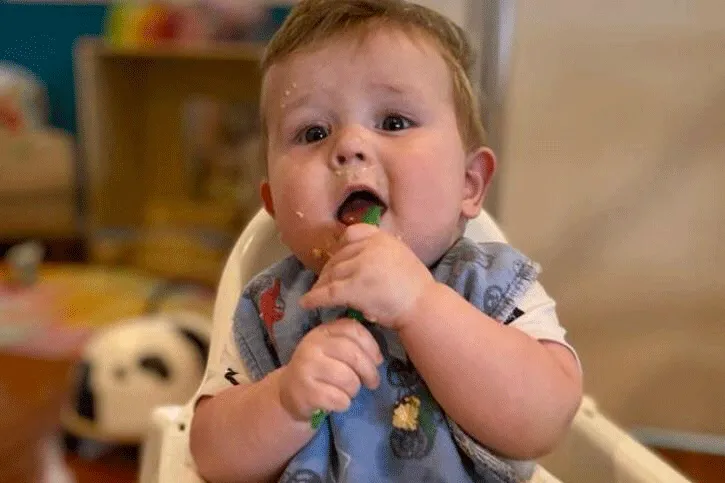
Mealtimes give children regular opportunities to practise self-help skills through using utensils, drinking from a suitable cup, carrying lightweight items, opening manageable containers, and helping with simple table routines.
For example, a child using a spoon is coordinating visual attention with hand movement while also learning how much force and control the action requires. Small spills are therefore a normal part of practising rather than evidence that the child is too clumsy to learn.
Children can also contribute to shared routines by placing a cup on the table, carrying an empty bowl to an appropriate place, or helping set out napkins. It’s crucial to remember that food safety remains the adult’s responsibility. Allergies, choking risks, dietary requirements and supervision should never be transferred to a child in the name of independence.
Organisation And Everyday Responsibility
Self-help also includes learning how to manage familiar belongings and contribute to shared spaces.
A child might gradually learn where their bag belongs, remember to collect a hat before going outdoors, return a book to its place, or help put blocks into a basket after play.
Accessible environments can make these routines easier. Low hooks, labelled storage, picture cues and predictable locations help children understand what is expected without relying on repeated adult instructions.
Responsibilities should remain specific and manageable. “Put the blocks in this basket” gives a young child a clearer task than “Clean the whole room.”
Decision-Making And Asking For Help
Self-help does not mean that children must manage every problem independently. Knowing when to make a choice, communicate a need, or ask for assistance is also an important form of independence.
Adults can support decision-making through limited choices such as, “Would you like the blue cup or the green cup?” The child makes a genuine decision, but the adult still provides safe boundaries.
Children may also learn to communicate, “My zip is stuck,” “I need the toilet,” or “Can you help me open this?” Younger children may express the same need through gestures, facial expressions, or by bringing an object to an adult.
Learning to ask for help teaches children that independence includes understanding their own limits and knowing how to seek support safely.
How Self-Help Skills Develop Over Time
Children often move through several stages when developing a new skill:
They watch an adult complete the task.
They join in with one part.
They attempt several steps with guidance.
They complete the task with reminders.
They manage it more independently in familiar situations.
Progress is rarely completely consistent. A child who dresses independently on a relaxed weekend may need more help on a rushed morning or when they are tired.
Age guides can help parents understand a general sequence, but they should not be treated as strict deadlines. Development, physical ability, communication, sensory preferences, disability, culture, family routines, and previous opportunities to practise can all affect how a child participates.
Tips for Parents to Support Self-Help Skills At Home
Learning is a long journey, and children can’t hone self-help skills by practising at childcares only. At home, it’s essential to help children learn how to use their skills effectively, using these 5 tips below:
Break The Task Into Small Steps
A broad instruction such as “Get ready” may include many separate actions. Explain or demonstrate one step at a time so the child knows where to begin.
For dressing, the adult might initially position the shirt correctly and let the child pull it down. Once that step becomes easier, the child can practise putting one arm through the sleeve.
Give Children Enough Time
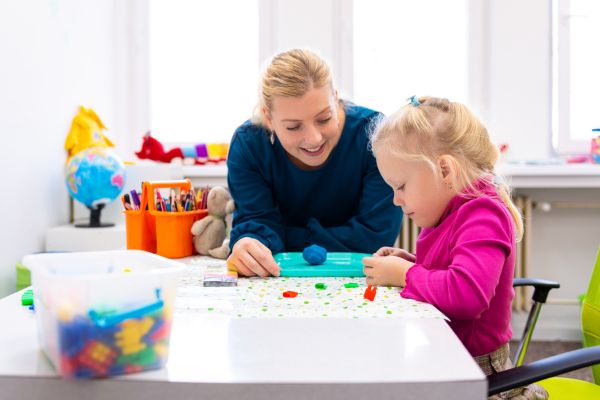
Children need time to coordinate their movements, remember what comes next, and correct small mistakes. Constantly stepping in can make the routine faster, but it reduces opportunities to practise.
Choose calmer moments for developing a new skill. A rushed weekday morning may not be the best time to teach a child to use a difficult zip for the first time.
Prepare An Accessible Environment
Place suitable belongings where children can reach them safely. Low hooks, open baskets, picture labels, small utensils, and simple clothing can reduce unnecessary barriers.
The environment should support participation without giving children access to unsafe items, medicines, chemicals, sharp tools, or other hazards.
Model And Describe The Process
Children learn by watching adults. Demonstrate the action slowly and use clear language such as, “First, we wet our hands. Next, we use soap.”
Avoid giving several instructions at once. The amount of guidance can gradually decrease as the child becomes more familiar with the routine.
Encourage Effort Rather Than Perfection
A child may put a shirt on backwards or place shoes on the wrong feet. When it is safe, acknowledge the effort before correcting the result. If it’s suitable, guiding children with open-ended questions could help them finish the task more effectively.
A response such as, “You pulled both shoes on by yourself. Let’s check which foot each one belongs on,” supports persistence without pretending the task is finished.
What Should Caregivers Do When A Child Resists Self-Help Tasks?
Resistance does not always mean that a child is being difficult. The task may feel too complex, uncomfortable, unfamiliar, or rushed. Never forget that for children, self-help skills are new and hard to achieve excellent results right off the bat, so it’s common for children to make mistakes and want to rely on their caregivers.
To avoid, observe where the difficulty occurs and encourage children to talk about their problems. A child who avoids getting dressed may struggle with a tight neckline, a fastening, a clothing texture, or the number of steps involved.
Persistent difficulty across several daily routines may be worth discussing with the child’s educators or an appropriate health professional. The purpose is to understand what support may help, not to compare the child with a rigid checklist.
Learning Self-help Skills through Habits of Mind At Inspira Kids
At Inspira Kids, self-help skills are included naturally in daily routines as we believe children should be encouraged to become proactive learners of their own. . From small tasks like washing their hands, managing belongings, using utensils, packing away materials, making choices, helping prepare an environment, and asking educators for assistance.
Educators observe what each child can currently manage and provide the level of support needed. This might involve modelling an action, offering a simple prompt, preparing accessible materials, or allowing additional time before stepping in.
These routines connect with Inspira Kids’ Habits Of Mind approach, not only forming daily-solving skills, but also stimulate children’ brains to think and try to solve their problems. Skills such as persisting, managing impulsivity, applying past knowledge, listening with understanding, and thinking flexibly can appear when children work through an everyday task. With active guidance from educators, children can gradually learn how to form self-help skills based on different scenarios, making self-help skills become an everyday task, instead of one-time only thing.
To observe how self-help skills are involved in everyday classroom, families can observe how educators support independence across different age groups by booking a tour at an Inspira Kids centre today!
FAQ
1. What Are Examples Of Self-Help Skills For Children?
Examples include eating with utensils, drinking from a cup, getting dressed, washing hands, toileting, packing belongings, cleaning up, making choices, and asking for assistance.
2. At What Age Should Children Develop Self-Help Skills?
Self-help development begins in infancy through small participation and continues throughout childhood. There is no single age when children should complete every skill independently.
3. How Can Parents Teach Self-Help Skills?
Parents can model the task, divide it into small steps, provide accessible equipment, allow time to practise, and reduce assistance gradually as the child becomes more confident.
4. Why Does My Child Complete A Task At Childcare But Not At Home?
The environments, routines, expectations, timing, and motivation may be different. Children can also need more support when they are tired or feel comfortable relying on a parent.
5. Do Self-Help Skills Support School Readiness?
Yes. Managing belongings, following routines, communicating needs, using the toilet, eating, dressing, and contributing to shared tasks can help children participate more confidently in a school environment.