
Actionable Sun Safety Activities To Teach Children During Outdoor Play
Outdoor play is an important part of childhood, especially in Australia where children spend time moving, exploring, and learning outside. However, strong sun, heat, and UV exposure mean outdoor play should come with simple sun safety routines that children can understand and practise.
Sun safety for children is definitely an important lesson, but it does not require fear to implement these precautions. It’s more important to include protection essentials like hats, shade, sunscreen, protective clothing, sunglasses, and checking outdoor habits into daily lessons.
This article shares practical sun safety activities for children during outdoor play, with simple ideas for early learning settings and the home, as well as what parents can look for in a sun-safe playground.

Why Sun Safety Matters During Outdoor Play
Children need outdoor play for movement, coordination, social skills, confidence, and wellbeing. Running, climbing, digging, balancing, gardening, and exploring nature all give children important chances to use their bodies and learn through experience.
In Australia, sunny and hot weather is a normal part of outdoor life. Sometimes the sun might be extremely hot, which is dangerous for children, especially when they are exposed to the sun without proper protection.
Sun safety helps make this outdoor learning safer and more comfortable. In childcare and early learning settings, sun protection is usually supported through daily routines such as wearing hats, using shade, applying sunscreen, choosing protective clothing, and checking outdoor conditions before play.
The aim is not to make children afraid of the sun. It is to help them understand that sun protection is part of preparing for outdoor play. When these habits are introduced calmly and repeated often, children are more likely to accept them as part of the routine rather than feel interrupted or uncomfortable.
How To Teach Sun Safety In A Calm And Positive Way
Sun safety activities should feel practical, calm, and age-appropriate for each development stage. Instead of telling children that the sun is dangerous in a frightening way, educators and parents can use simple language, such as:
“We wear our hats before we go outside.”
“Let’s find a shady spot to play.”
“Sunscreen helps protect our skin.”
“Sunglasses help protect our eyes.”
“We can have a drink and cool down after active play.”
Children are more likely to follow sun safety routines when they see adults doing the same thing. If educators apply sunscreen, put on hats, choose shade, and speak positively about outdoor care, children begin to understand that these habits are normal.
Sun safety in childcare works best when it is repeated every day, not only mentioned once. The more children practise these steps, the easier it becomes for them to remember what to do before outdoor play.

6 Sun Safety Activities For Children During Outdoor Play
The following sun safety activities for children are simple, practical, and easy to adapt for home or early learning settings. Each activity teaches a sun protection habit through play, movement, observation, or routine.
1. Hat Sorting Game
A hat sorting game helps children understand which hats are better for outdoor play. Educators can prepare different types of hats, such as broad-brimmed hats, bucket hats, legionnaire hats, caps, and visors.
Children can sort the hats into groups and talk about which ones cover the face, ears, and neck more effectively. The activity should stay simple and visual. Adults can ask questions such as, “Which hat gives more shade?” or “Which hat would help us play outside safely?”
This activity supports observation, decision-making, vocabulary, and healthy outdoor routines. It also helps children see that hat-wearing is not just a rule, but part of caring for their bodies during outdoor play.
2. Shade Treasure Hunt
A shade treasure hunt encourages children to notice where shade appears in the outdoor environment. Before play begins, educators can invite children to walk around the playground and look for shady spaces.
Children may find shade under trees, verandas, shade sails, covered walkways, cubby houses, or outdoor structures. Adults can guide the conversation with prompts such as, “Where is the coolest place to sit?” or “Where could we play if the sun feels too strong?”
This activity helps children understand that shade can move and change during the day. It also encourages them to make safer choices during outdoor play without stopping them from being active.
3. Sunscreen Routine Role Play
A sunscreen routine for children can be taught through simple role play. Educators can use dolls, soft toys, mirrors, empty sunscreen bottles, or picture cards to practise the steps of getting ready for outdoor play.
Children can pretend to help a doll prepare for outside time by checking for a hat, applying pretend sunscreen, choosing sunglasses, and finding a shady place to play. Older preschoolers can also practise rubbing sunscreen into their own arms or face with adult supervision.
This simple activity helps them become familiar with the routine. Over time, they may begin to understand that sunscreen is something we apply before outdoor play, just as we wash our hands before eating.
4. UV Index Weather Chart
A UV index weather chart can help children connect outdoor play safety with daily conditions. Educators can create a simple chart with pictures for sunny, cloudy, rainy, hot, cool, and windy days, alongside a basic UV reminder.
For instance, when using the sun sticker, educators can use simple, repeated instructions: “when you see the sun, the UV is high. We should wear sunscreen and a hat”. The instruction should contain 3 parts, definition, signals, and proper instruction following up.
Each day, children can look at the weather and talk about what they need before going outside. For example, they may add picture cards for a hat, sunscreen, shade, water bottle, sunglasses, or protective clothing. You can put this chart right at the front door to signal children to check weather conditions before going out.

5. Protective Clothing Dress-Up
Protective clothing dress-up gives children a hands-on way to explore what to wear outside. Educators can provide clothing items such as long-sleeved shirts, loose shirts with collars, longer shorts, hats, sunglasses, and play accessories.
Children can dress a doll, puppet, or themselves for outdoor play and talk about what each item does. Adults can ask, “What should we wear to protect our shoulders?” or “What helps shade our face?”
This activity works well because children often enjoy dress-up play, especially for girls. It teaches sun safety through familiar pretend play rather than formal instruction.
6. Outdoor Shade Mapping
Outdoor shade mapping helps children understand how a playground can have different types of spaces. Educators can draw a simple map of the outdoor area or use a printed photo of the playground. Children can help mark sunny areas, shady areas, places to rest, places to drink water, and places for active play.
This can become a group discussion before going outside. For example, educators may ask, “Where can we run?”, “Where can we sit if we need a break?”, or “Where is a good shady place for story time?”
This activity encourages children to notice their environment and make safe choices during play. If children are still adapting to the new childcare centre, this would be a suitable game to help them settle in easier.
What Parents Should Look For In A Sun-Safe Playground
A sun-safe playground should allow children to enjoy outdoor play while still having protected spaces to cool down, rest, and avoid too much direct sun.
Parents can look for a healthy balance between sunny areas and shaded spaces. Outdoor environments should not be completely closed off from sunlight, but children should have easy access to protection when needed.
Helpful playground features may include:
trees with good shade coverage
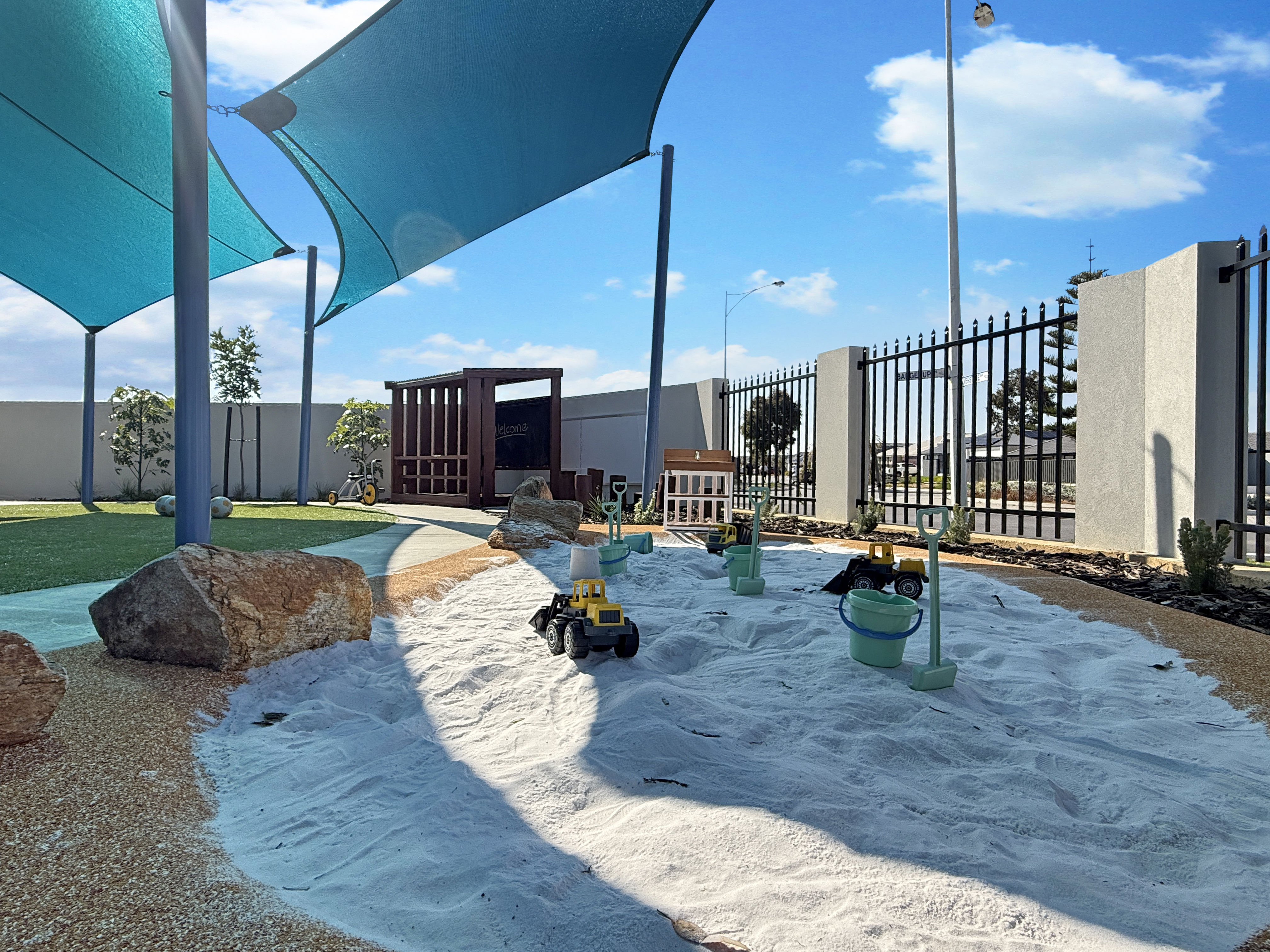
shade sails
covered seating areas
verandas
pergolas or covered walkways
indoor-outdoor spaces
shaded sandpit or water play areas
shaded rest spaces for quieter play
Parents can also notice how educators use the outdoor space. A centre may have shade, but the routine matters too. Educators should guide children toward shaded areas during high UV times, encourage hats and sunscreen, offer water breaks, and move activities when outdoor conditions change.
Besides a safe playground, quality childcares should also provide suncare essentials, like sunscreens, towels, hats, or spare jackets in case children forget to bring them. These small actions might seem unimportant, but it shows how dedicated childcare could go to protect children from harsh daylight.
How Sun Safety Supports Healthy Outdoor Routines
Sun safety activities for children are not only about preventing sunburn. They also help children build healthy outdoor routines.
When children check their hat, apply sunscreen, look for shade, wear protective clothing, and drink water, they are learning to prepare their bodies for outdoor play. These steps support independence, self-care, and awareness of their environment.
In early learning settings, these routines also support group responsibility. Children may remind each other to get hats, help look for shade, or check the outdoor chart before play. These small actions help children feel involved in caring for themselves and their community.
Healthy outdoor routines also allow children to keep enjoying movement and nature safely. With the right support, sun safety becomes part of active play rather than something that interrupts it.
Supporting Safe Outdoor Play At Inspira Kids
At Inspira Kids, outdoor play is built under the Body pillar, giving children opportunities to move, strengthen coordination, build confidence, and enjoy active learning. But to help children feel comfortable during outdoor play, Inspira Kids pays close attention to a thoughtful routine before going out.
Educators guide children through simple outdoor routines such as wearing hats, using shade, applying sunscreen, staying hydrated, and taking breaks when needed. These routines help children understand that caring for their bodies is part of enjoying active play.
Inspira Kids is also dedicated to providing essential support for children during outdoor play under the sun. This includes high-SPF sunscreen, sunglasses where appropriate, towels for comfort after water or active play, shaded areas, and educator guidance to help children stay protected and settled.
By combining safe outdoor environments, consistent wellbeing routines, and engaging play experiences, Inspira Kids helps children enjoy outdoor learning with confidence and care. Book a tour at Inspira Kids for your child now.