The Reggio Emilia Approach To Early Childhood Education
The Reggio Emilia approach is one of the most respected influences in early childhood education. It began in Reggio Emilia, Italy, and is known for its strong image of children as capable, curious, creative, and full of ideas.
In a Reggio-inspired environment, children are not seen as passive learners waiting to be filled with information. They are active participants. They explore, ask questions, express ideas, work with others, and use many forms of communication to make sense of the world.
At Inspira Kids, the Reggio Emilia approach is the core of the literacy program, offering a helpful way to understand how early learning environments support children’s confidence and linguistic development. This article will explore the topic and reveal how Reggio Emilia is applied in Inspira Kids’ learning environment.
What Is The Reggio Emilia Approach?
The Reggio Emilia approach is an educational philosophy focused on young children, relationships, environments, creativity, and child-led inquiry.
Reggio Children describes the approach as being based on the image of a child with strong potential for development, a subject with rights, and someone who learns through many forms of expression in relationship with others.
The approach does not mean children learn without structure. Instead, educators prepare calm, engaging environments with open-ended materials, natural textures, creative spaces, and opportunities for collaboration. These spaces are designed to create a child-centered learning environment and help children make choices, ask questions, test ideas, and express what they are thinking.
Common Reggio Emilia principles include:
seeing children as capable and full of ideas
giving children many ways to express thinking
using the environment as part of the learning process
valuing relationships between children, educators, and families
documenting children’s ideas and development
supporting long-term projects and inquiry
encouraging creativity, discussion, and collaboration
What Elements Is The Reggio Emilia Approach Based On?
The Reggio Emilia Approach is based on four Key Elements: Emergent Curriculum; In-Depth Projects; Representational Development and Collaboration.
Emergent Curriculum
A classroom’s curriculum stems from the particular interests of children. Curriculum topics are derived from talking with children and their families, as well as from things that are known to be interesting to children (puddles, dinosaurs, and so on).
Teachers compare notes and observations in team planning sessions to decide which projects would be best suited to children in their classes, what materials will be needed, and how they can encourage parents and the community to become involved.
In-Depth Projects
These projects are thorough studies of concepts and ideas based on the information gathered about children’s interests. Projects are often introduced to children as adventures, and can last anywhere from a week or two to the entire school year.
Teachers act as advisors on these projects, helping children decide in which direction they would like to take their research, how they can represent what they learn, and what materials would be best suited for their representations.
Representational Development
This principle takes into account Howard Gardner’s concept of multiple intelligences. The Reggio Emilia approach calls for the presentation of new ideas and concepts in multiple forms, such as print, art, drama, music, puppetry, and so on. Varied presentations ensure that all children have the chance to understand and connect with the concepts being explored.
Collaboration
The idea of collaboration is seen as necessary to further a child’s cognitive development. Groups both large and small are encouraged to work together to problem-solve using dialogue, comparisons, negotiations, and other important interpersonal skills.
Each child’s voice is heard in order to promote a balance between a sense of belonging to the group and a sense of self.
The roles played during The Reggio Emilia Approach
The Reggio Emilia approach transforms early education into a collaborative ecosystem where learning is a deeply shared responsibility. In this philosophy, educators guide as co-learners while parents and the broader community act as an indispensable "village" of support. Completing this unique triad is the physical environment itself, purposefully arranged to serve as a powerful "third teacher" that sparks natural curiosity.
The Role of the Teachers/Educator
With the Reggio Emilia approach, educators essentially have more than one role, so not only do they teach the children, but they learn alongside them as well. Observation, documentation and monitoring the growth and development of children in their classroom is also essential. Educators will also try to base their intentional teaching on children’s current and emerging interests
The Role of Parents and the Community
The role of the Reggio Emilia Approach within the community and the parents is that they have a communal accountability for their children. This can be seen as a village-style approach, which sees parents and all of the community members as indispensable to children’s learning.
Parents are also seen as the first teacher before children attend the education system. Parents are encouraged to attend their children’s childcare facilities to volunteer and be a part of their child’s classroom happenings, alongside taking the Reggio Emilia Approach home to incorporate into their child’s everyday life.
The Role of the Classroom as the Third Teacher
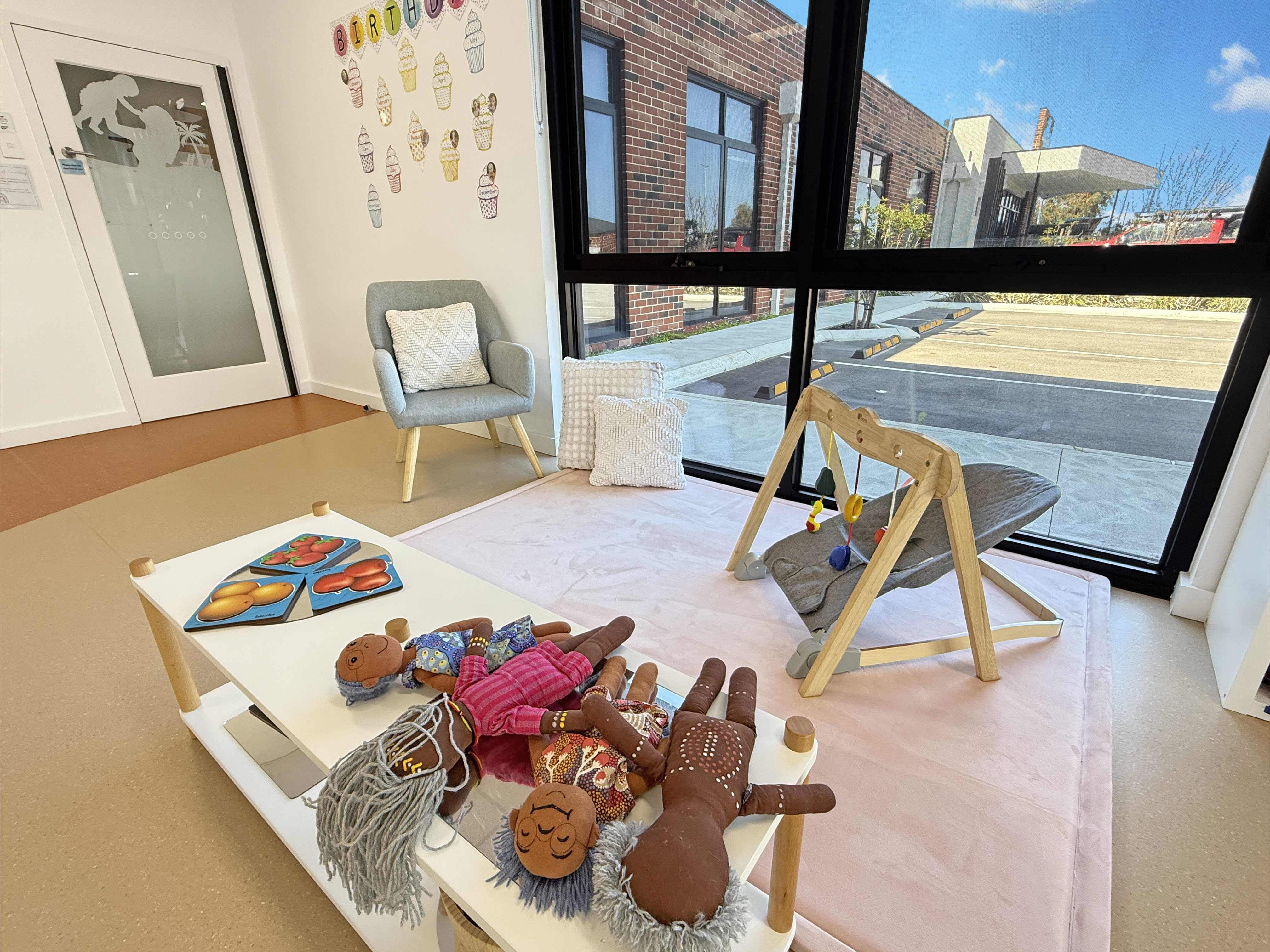
Within the Reggio Emilia Approach, a child’s classroom and surroundings can often be described as “The Third Teacher”. What this means, is that the environment is constructed similarly to that of an everyday home environment and set out in a way which allows for the children to explore a variety of interests. These environments are usually also roomy, bright, and filled with natural and nature-inspired décor. Thus allowing for the expansion of children’s minds.

How Inspira Kids Applies The Reggio Emilia Approach In The Classroom
At Inspira Kids, the Reggio Emilia approach is reflected in how educators design the classroom, listen to children, and use children’s interests as starting points for learning. The aim is not to follow a fixed lesson plan every moment, but to create a prepared environment where children can explore, ask questions, express ideas, and build confidence through guided experiences.
This gives children more than play time. It helps them develop communication, problem-solving, creativity, independence, and social awareness through everyday classroom moments.
Child-Led Inquiry
In a Reggio-inspired classroom, children’s interests help guide the learning direction. If children are curious about insects, bridges, shadows, cooking, colours, or family roles, educators can use that interest to create deeper learning opportunities.
For example, an interest in insects may lead to magnifying glasses, nature walks, picture books, drawing activities, and group conversations about what children notice. Through this process, children practise observation, vocabulary, questioning, patience, and early science thinking.
Prepared Learning Environments
The classroom environment plays an important role in Reggio Emilia practice. At Inspira Kids, learning spaces are arranged to encourage choice, focus, collaboration, and exploration.
Children may have access to open-ended materials such as blocks, natural objects, loose parts, art materials, books, mirrors, clay, or sensory resources. These materials do not have only one correct use. A block can become a tower, a bridge, a house, a road, or part of a larger group project.
This helps children test ideas, make decisions, solve problems, and return to their work with more detail over time.
Many Ways To Express Ideas
The Reggio Emilia approach recognises that children communicate in many ways, not only through spoken words. A child may express an idea through drawing, painting, building, movement, storytelling, music, pretend play, or clay work.
At Inspira Kids, educators give children opportunities to show their thinking through different materials and experiences. For example, a child who is learning about homes may build a house with blocks, draw their family, act out a home routine in pretend play, or talk about who lives with them.
This supports language, creativity, emotional expression, and confidence because children are not limited to one way of showing what they know.
Educators As Guides And Observers
Educators play an active role in Reggio-inspired learning. They observe what children are doing, listen to their questions, and decide when to step in with a prompt, material, or conversation that can extend the learning.
If children are building a city with blocks, an educator might ask, “How will people move from one place to another?” or “What could make this building stronger?” These questions help children think more deeply without taking control away from them.
This approach helps children practise problem-solving, communication, planning, and collaboration while still feeling ownership over their ideas.
Making Learning Visible
Documentation is another important part of Reggio-inspired practice. Educators may record children’s words, take photos of projects, display drawings, or note how an idea develops over several days.
This helps children revisit their own thinking and see that their ideas matter. It also helps families understand what their child is exploring in the classroom, not only what they bring home at the end of the day.
At Inspira Kids, this makes learning more visible, connected, and meaningful for both children and families. To explore Inspira Kids’ early learning environments and development-focused programs, book a tour at your nearest centre.