Our Insights
Understanding Your Child Better
Our Insights
Understanding Your Child Better
Our Blog

Child-Centered Learning: What It Means And Why It Matters
Child centered learning is a common approach in early childhood, starting to gain recognition as an alternative for conventional classroom management. It does not mean children are left to learn on their own or that the classroom becomes unstructured. Instead, it means teaching is shaped around how children develop, what they are interested in, and how they participate in learning.
This article explains how child-centered learning supports children’s confidence, independence, and engagement by creating learning experiences that respond to their interests, needs, and stage of development.
Child Centered Learning: What It Means And Why It Matters
How Does Child-centered Learning Support Children’s Engagement And Development??
Child Centered Vs Teacher Centered Learning
Everyday Examples Of Child Centered Learning
Following Children’s Interests
Benefits Of Child Centered Learning
Practical Tips For Educators Using Child-centered Learning
Start With Interests, Then Link To Learning Goals
Use Flexible Planning Instead Of Fixed Activities
How Does Child-centered Learning Support Children’s Engagement And Development??
Child-centered learning places children’s development, interests, and participation at the centre of teaching decisions. Educators observe how children respond, what captures their attention, and where they may need support, then use these observations to create meaningful and developmentally appropriate learning experiences.
This approach does not remove structure or guidance. Instead, educators intentionally adapt learning experiences so children can explore, make choices, and participate actively while still working toward clear learning goals. Research in early childhood education also suggests that children are more likely to stay engaged and build deeper understanding when learning connects with their interests, experiences, and everyday curiosity.
Child-centered learning recognises that children develop in different ways and at different paces. Some children may enjoy creative activities such as drawing, while others are more engaged through storytelling, movement, or hands-on exploration. By responding to these individual preferences, educators can support confidence, participation, and a more positive relationship with learning over time.
Child-Centered Vs Teacher-Centered Learning
In more traditional teacher-centered approaches, learning is often directed step by step by the adult. Children are expected to follow instructions and complete tasks in a specific way, often at the same pace. This traditional method was widely applied in the previous century when the educators lacked proper approaches to teaching.
In a child centered approach, the goals remain, but the pathway is more flexible. Educators still guide learning, but they adapt how it happens based on children’s responses, using questions and open-ended discussions. This allows children to think, explore, and take a more active role, which often leads to stronger engagement and understanding.
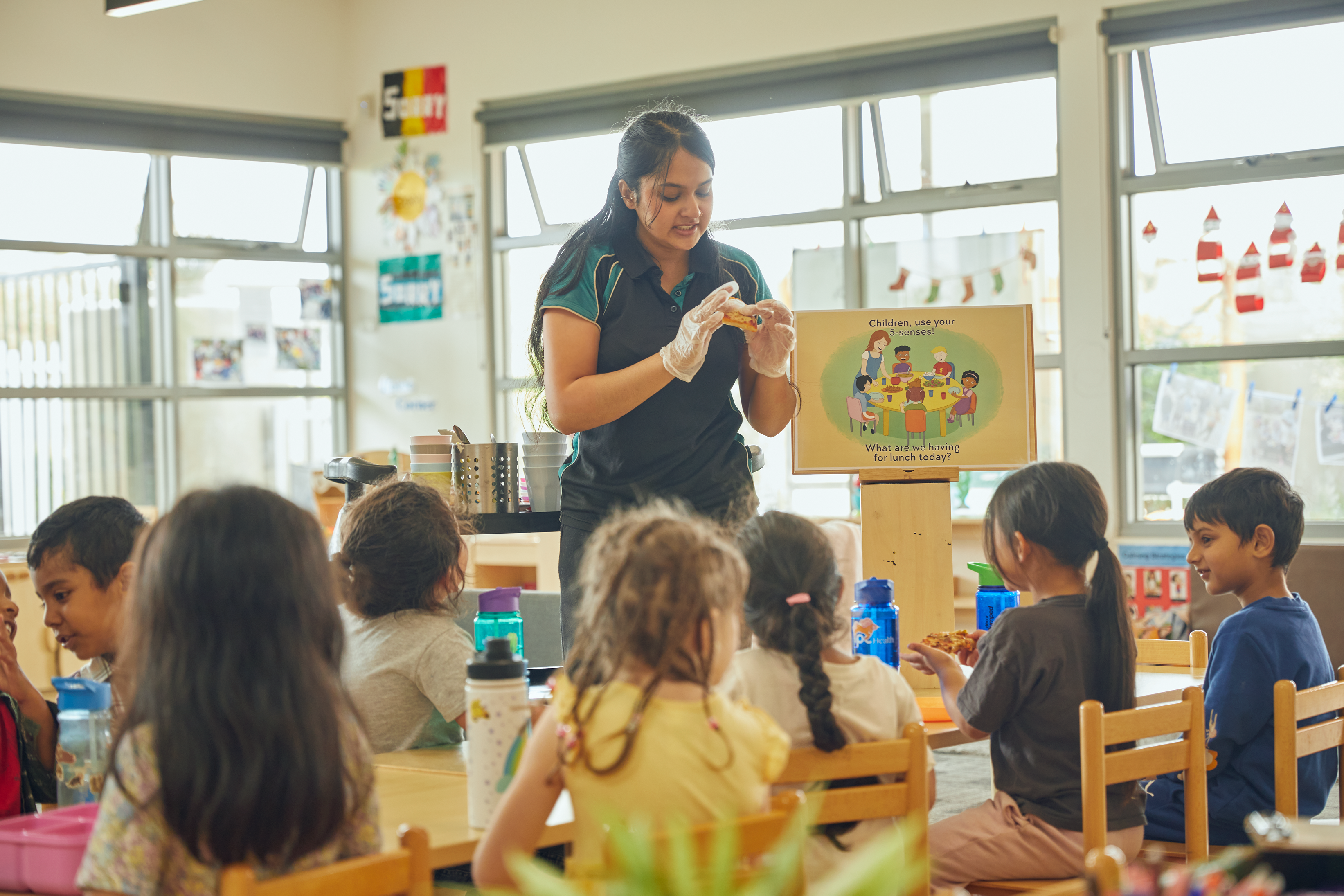
Everyday Examples Of Child Centered Learning
Supporting Emotions
When a child becomes upset, acknowledging the feeling helps them understand what is happening internally. For example, if a child becomes upset because another child takes their block, an educator might respond by saying, “It’s okay to feel upset. You were still using that block.” This supports emotional awareness and helps children develop the language needed to express feelings.
Following Children’s Interests
When children show curiosity, extending that interest helps maintain engagement. For example, after a child discovers a snail during outdoor play, educators may introduce magnifying glasses, books, or group discussions about insects and nature. Learning often becomes more meaningful when it builds on what children already care about.
Valuing Children’s Ideas
When children are invited to explain their thinking, they begin to see that their ideas matter. During drawing or storytelling activities, an educator might ask, “Can you tell me about your picture?” and write down the child’s explanation. This supports communication, confidence, and active participation in learning.
Predictable Routines
Simple supports like transition warnings help children feel prepared and emotionally regulated. For example, educators may give a “two-minute warning” before pack-up time so children have time to adjust to the upcoming change in activity. When children know what to expect, they are often more comfortable and engaged throughout the day.
Benefits Of Child Centered Learning
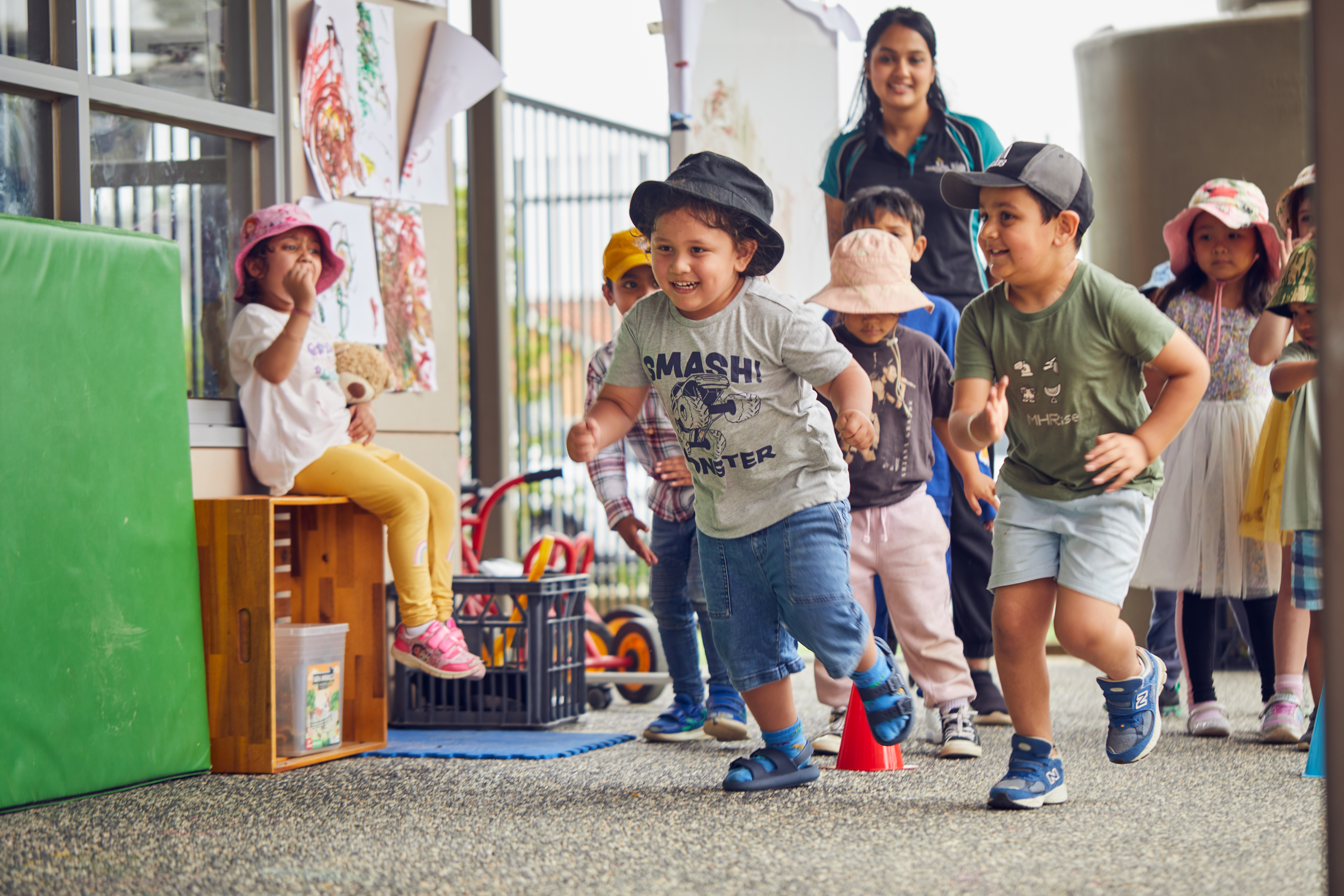
Child centered learning helps children build independence by giving them opportunities to make choices and take part in meaningful activities. This helps them feel more capable and willing to engage.
It also supports problem-solving and flexible thinking. When children are encouraged to explore rather than simply follow instructions, they begin to test ideas and make sense of their experiences. This leads to deeper understanding and stronger engagement over time.
Through guided interaction, children also develop communication and social skills. They learn how to express ideas, listen to others, and participate in group situations. These skills support both learning and relationships.
Practical Tips For Educators Using Child-Centered Learning
One of the challenges in child-centered learning is balancing children’s interests with planned learning outcomes. If educators only follow children’s interests without direction, activities can easily lose focus and become difficult to connect with developmental goals. A more effective approach is to use children’s interests as a starting point while still guiding learning intentionally.
Start With Interests, Then Link To Learning Goals
Educators can observe what children are naturally curious about and connect those interests to planned outcomes. For example, if children become interested in dinosaurs, the lesson can extend into counting activities, storytelling, drawing, vocabulary building, or group discussions rather than remaining as unstructured play alone.
Use Flexible Planning Instead Of Fixed Activities
Child-centered learning often works best when lesson plans leave room for adjustment. Rather than following rearranged learning lessons from start to finish, educators can adapt questions, materials, or group experiences based on children’s responses and engagement throughout the day.
Balance Child Choice With Educator Guidance
Giving children choices does not mean removing structure. Educators can still guide participation by setting clear routines, preparing intentional learning materials, and supporting children when attention or engagement begins to shift. This helps maintain both meaningful exploration and developmental progress.
Learn more: How can we help children build positive relationships through sharing?
How Does Inspira Kids Support Child-Centered Learning?
At Inspira Kids, child-centered learning is supported through responsive teaching practices, purposeful play, and meaningful everyday interactions. Educators take time to observe children’s interests, strengths, and developmental needs to create learning experiences that feel engaging, relevant, and supportive of each child’s individual growth.
Children are encouraged to explore, make choices, ask questions, and express ideas within a structured and supportive learning environment. This approach helps nurture confidence, independence, curiosity, and a positive relationship with learning over time, while also supporting children’s overall wellbeing and school readiness.
Visit an Inspira Kids centre to see how child-centered learning can support your child’s confidence, curiosity, and early development in meaningful ways.