
Our Insights
Understanding Your Child Better
Our Insights
Understanding Your Child Better
Our Blog
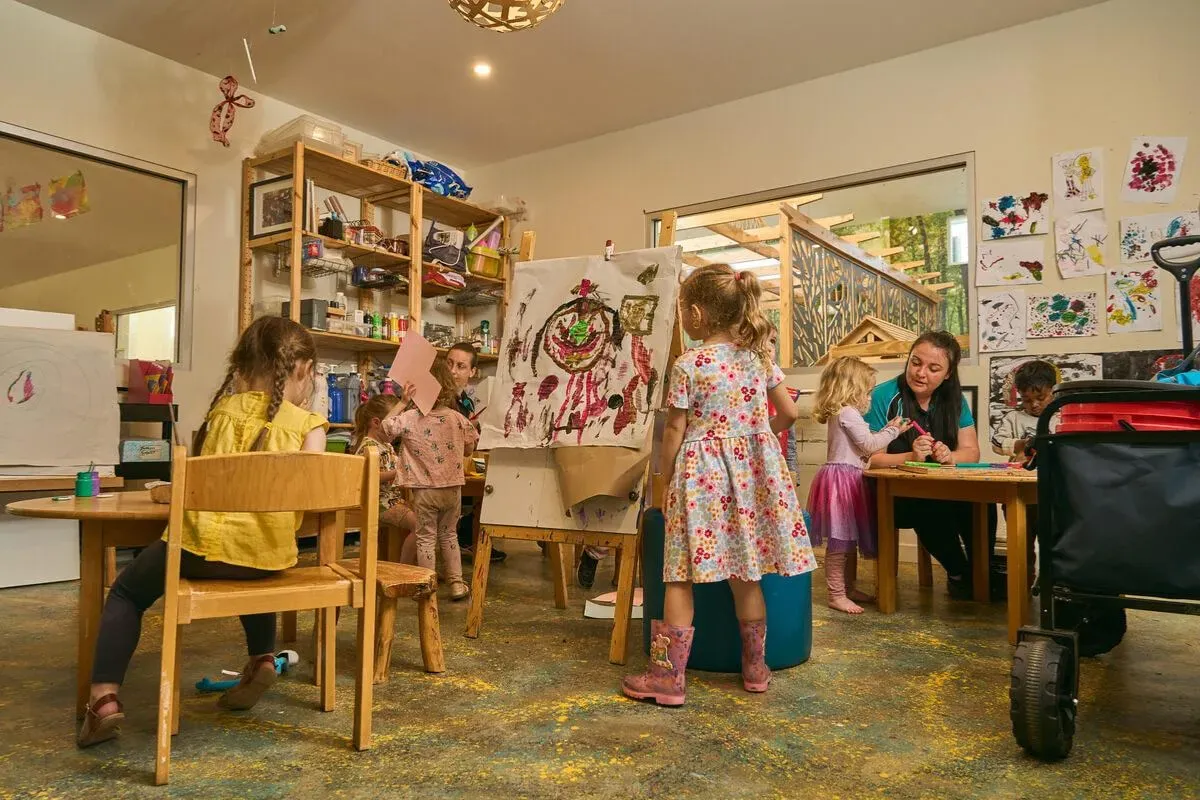
Activities To Overcome Shyness: How To Help Children Relax When Experiencing New Activities
Shyness is common in early childhood, especially when children meet new people, enter a new environment, or join an unfamiliar activity. For some children, staying quiet or watching from the side is not a sign of weakness. It can be their way of feeling safe, reading the situation, and deciding when they are ready to participate.
This article explores simple activities that help shy children feel more comfortable in new situations while supporting confidence and participation at their own pace.
Activities To Overcome Shyness: How To Help Children Relax When Experiencing New Activities
Why Children Feel Shy In New Situations
Why Shyness Is Not A Problem To Fix
How Can Parents Support Confidence At Home?
“Break the ice” Activities To Help Children Overcome Shyness
Role-Play For Social Confidence
How Educators Support Social Confidence
Why Children Feel Shy In New Situations
Shyness can happen for many reasons. Some children are naturally more cautious in new social settings, while others may feel unsure when they do not know what to expect. A new classroom, a noisy group, an unfamiliar adult, or a new activity can all make a child pause before joining in.
According to research about shyness, children may withdraw from social interaction for different reasons, and shyness is often used as a coping strategy to a new situation they might not relate to at first, including fear, anxiety, or a preference for observing before participating. This work reminds us that quiet behaviour should be understood carefully, rather than quickly treated on the surface level.
Why Shyness Is Not A Problem To Fix
A shy child is not being difficult, rude, or unwilling to learn. In many cases, they are simply trying to manage a situation that feels new or uncertain. When adults understand shyness as a response rather than a flaw, they can support the child with more patience and care.
Children may become more self-conscious when they are frequently labelled as “shy” or encouraged to speak when they do not feel comfortable. In group settings, some children can find social situations more demanding, particularly when they feel observed by others. A calm and supportive approach can help children feel emotionally secure, understood, and more confident participating in social experiences at their own pace.
From Robert Coplan’s research, a developmental psychologist who studies shyness and social withdrawal, shy children may still want social connection, but feelings of uncertainty or anxiety can make participation more difficult. Calm and low-pressure social experiences may help children feel more comfortable engaging with others over time.

How Can Parents Support Confidence At Home?
Children often become more comfortable in social settings when they feel listened to at home. Simple daily conversations can help children practise expressing thoughts and feelings in a safe space. This is especially helpful for children who find broad questions difficult to answer.
Instead of asking only “How was your day?”, parents can ask more specific questions, such as:
What did you eat today?
Who did you sit with?
What game did you enjoy?
These smaller questions are easier for children to respond to. Over time, these conversations help children feel that their voice matters.
Learn more about: How can we help children build positive relationships through sharing?
“Break the ice” Activities To Help Children Overcome Shyness
Activities to overcome shyness is to help children feel more familiar with people, places, and social routines in a manageable way.
The most helpful activities are usually simple and low-pressure. They allow children to observe first, stay close to a trusted adult, and join in gradually. This gives them the chance to practise confidence without feeling exposed.
Outdoor Play
Outdoor play can help shy children feel more comfortable because open spaces often feel less overwhelming than structured indoor group settings. Activities such as walking, climbing, running, or exploring allow children to be around others without pressure to speak or join in immediately, giving them time to observe and participate at their own pace.
For many children, confidence develops gradually through simple experiences like watching others play, staying close to a parent, or joining activities briefly. You can ask children to find some leaves, branches, or spot objects together, blurring the lines between them seamlessly.
These small steps are still meaningful progress, and over time, regular outdoor play can help social situations feel more familiar, predictable, and less intimidating.
Small Group Activities
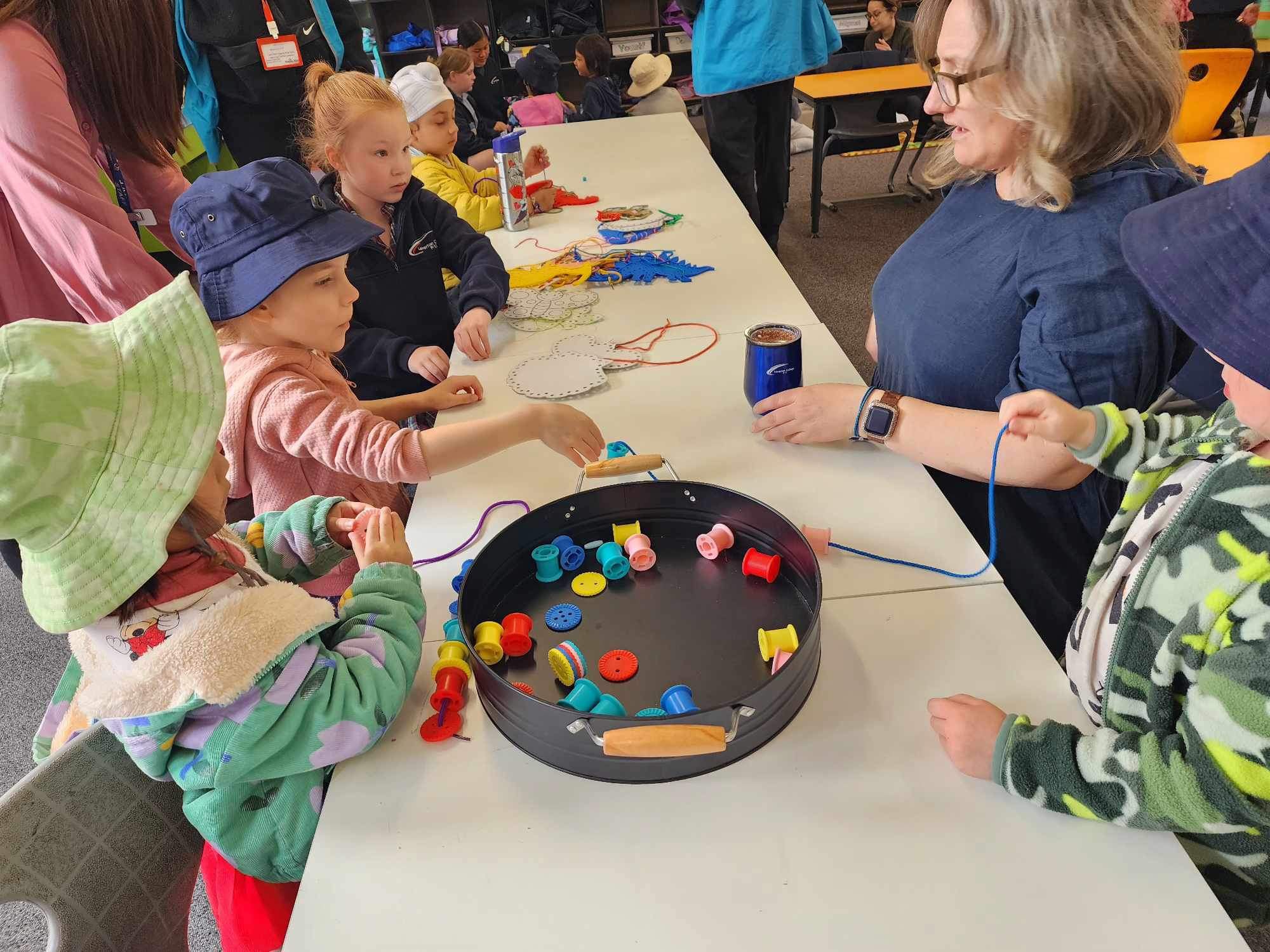
Some children find large groups overwhelming, but feel more comfortable with one or two familiar peers. Small group play allows children to practise sharing, turn-taking, and simple communication without too much pressure.
These activities can include building blocks together, drawing side by side, or playing a simple game. The aim is not to make the child talk constantly, but to help them experience social connection under guidance.
Role-Play For Social Confidence
Role-play can help children prepare for situations that feel unfamiliar. Parents can gently practise simple moments such as saying hello, asking to join a game, or telling an adult they need help. Parents can also do the same thing, by approaching other parents to strike a conversation, making an example for children to follow up.
This makes social language more familiar before the child needs to use it in real life. When children know what they can say or do, they often feel more confident entering new situations.
How Educators Support Social Confidence
In early childhood settings, educators play an important role in helping shy children feel safe enough to participate. Trusting relationships and intentional teaching are key practices in supporting young children’s social and emotional health.
Supportive educators do not force children into group participation before they are ready. They create predictable routines, invite gentle participation, and notice small signs of confidence. This helps children feel that they belong, even when they are still learning how to join in.
How Can Inspira Kids Help Children Build Social Confidence?
At Inspira Kids, supportive learning environments may help children feel more comfortable participating in new activities and social experiences. Through calm routines, responsive educators, and play-based learning opportunities, children are encouraged to explore, observe, and interact at their own pace.
Gentle encouragement and positive group experiences can support children in gradually building confidence, communication skills, and a stronger sense of belonging over time. Small steps, such as joining group play briefly or engaging in conversations with support, are recognised as meaningful progress in each child’s social and emotional development.
Visit Inspira Kids centres to see how children are supported through calm routines, play-based learning, and positive everyday interactions.
FAQ:
How can I help my child feel more comfortable in new situations?
Preparing children before a new experience by explaining where they are going, who they may meet, and what to expect can help them feel safer and less overwhelmed. Short and gradual introductions to new environments can also make social experiences feel more manageable.
Should I join activities with my child first?
Yes, staying nearby during new activities can help children feel more secure and confident exploring unfamiliar environments. As children become more comfortable, adults can gradually step back to support independence.
What is the best way to talk to a shy child?
Gentle conversations and supportive language can help children feel understood without pressure. Avoid negative labels such as “you are always shy,” and instead acknowledge their feelings while encouraging small steps forward.