
Our Insights
Understanding Your Child Better
Our Insights
Understanding Your Child Better
Our Blog
Brain Development In Early Childhood: Why the Early Years Care Is Fundamental
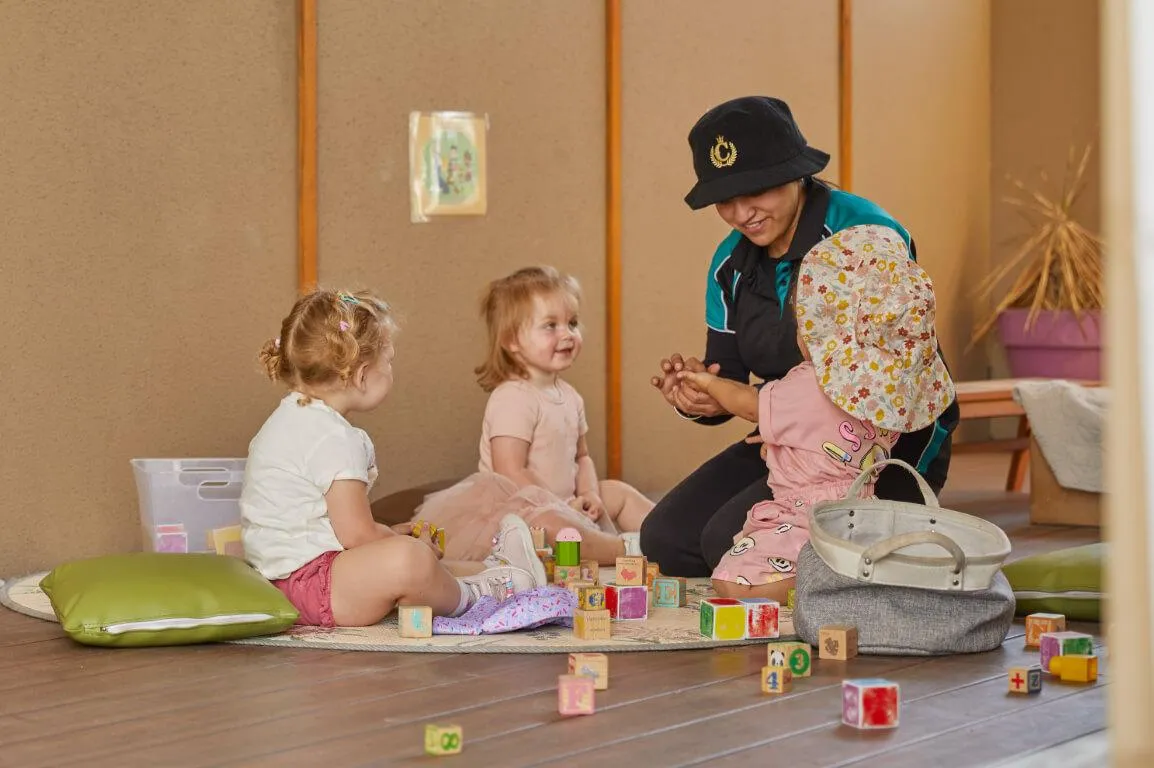
Brain development in early childhood happens faster than at any other stage of life. From birth, children’s brains are constantly building and strengthening connections through everyday experiences such as relationships, language, play, movement, and routine.
This article explains how early brain development is shaped through everyday experiences, relationships, and repeated interaction. Simple activities such as talking, reading, playing, and responsive caregiving help support children’s learning, behaviour, emotional development, and social connection over time.
Brain Development In Early Childhood: Why the Early Years Care Is Fundamental
Why Early Experiences Are Important For Brain Development In Early Childhood?
Brain Development Stages In Early Childhood
Brain Development Through Body, Mind And Character
Mind: Building Neural Connections
Character: Emotional Safety And Relationships
How Inspira Kids Support Brain Development In Early Childhood.
Why Early Experiences Are Important For Brain Development In Early Childhood?
Early brain development is strongly shaped by the experiences and relationships children encounter during the first years of life. Everyday interactions such as talking, comforting, playing, exploring, and responding to children’s needs help strengthen the neural connections that support learning, emotional regulation, communication, behaviour, and long-term wellbeing. These repeated experiences help build the foundation for how children understand the world, form relationships, and respond to challenges as they grow.
Research on early childhood brain development also highlights the importance of consistent and responsive early experiences by showing what can happen when these experiences are missing. Studies on early psychosocial deprivation suggest that limited emotional interaction and the absence of stable caregiving relationships can negatively affect children’s neural development over time. This is why supportive early learning environments, responsive relationships, and meaningful everyday interactions are considered essential during the early years of development.
Brain Development Stages In Early Childhood
Children develop at different speeds, but general patterns can help parents understand how brain development appears in everyday behaviour.
Birth To 2 Years:
Birth to two years is considered one of the most important stages of early brain development because the brain grows rapidly and is highly sensitive to experience during this period. At this age, babies rely heavily on family relationships, especially parents and primary caregivers, to build emotional security, communication, attachment, and early learning pathways.
Through everyday interactions such as touch, talking, comforting, eye contact, and play, babies begin learning through sound, movement, and sensory experiences. Because the developing brain is especially sensitive during these early years, responsive family care and stable relationships play a critical role in healthy brain development and long-term wellbeing.

Ages 2 To 3:
Between two and three years, children experience rapid growth in language, memory, and emotional expression. They begin forming sentences, expressing needs, and exploring independence.
Strong emotions and short attention spans are common because the brain systems responsible for regulation are still developing. This stage reflects fast growth in communication and early decision-making.
Ages 4 To 5:
Between ages four and five, children often show stronger communication, improved self-regulation, and more flexible thinking. They are usually better able to follow routines, solve simple problems, and participate confidently in group learning and social situations.
Early signs of multisensory coordination also begin to emerge during this stage. Children gradually become more capable of combining movement, vision, listening, and touch during activities such as drawing, climbing, storytelling, and group play, supporting both brain development and motor coordination over time.
Brain Development Through Body, Mind And Character
At Inspira Kids, brain development is understood through the connection between Body, Mind, and Character. These areas work together to support children’s overall growth.
Body: Sleep And Sensory Development
Sleep and rest help the brain process information and regulate biological sensories. During sleep, the brain strengthens connections formed during the day and prepares for new learning. Without enough rest, children may find it harder to focus, regulate emotions, and stay engaged.
Sensory exploration supports how the brain processes information from the environment. Activities involving movement, touch, and different textures help build coordination and strengthen connections between the brain and body.
Mind: Building Neural Connections
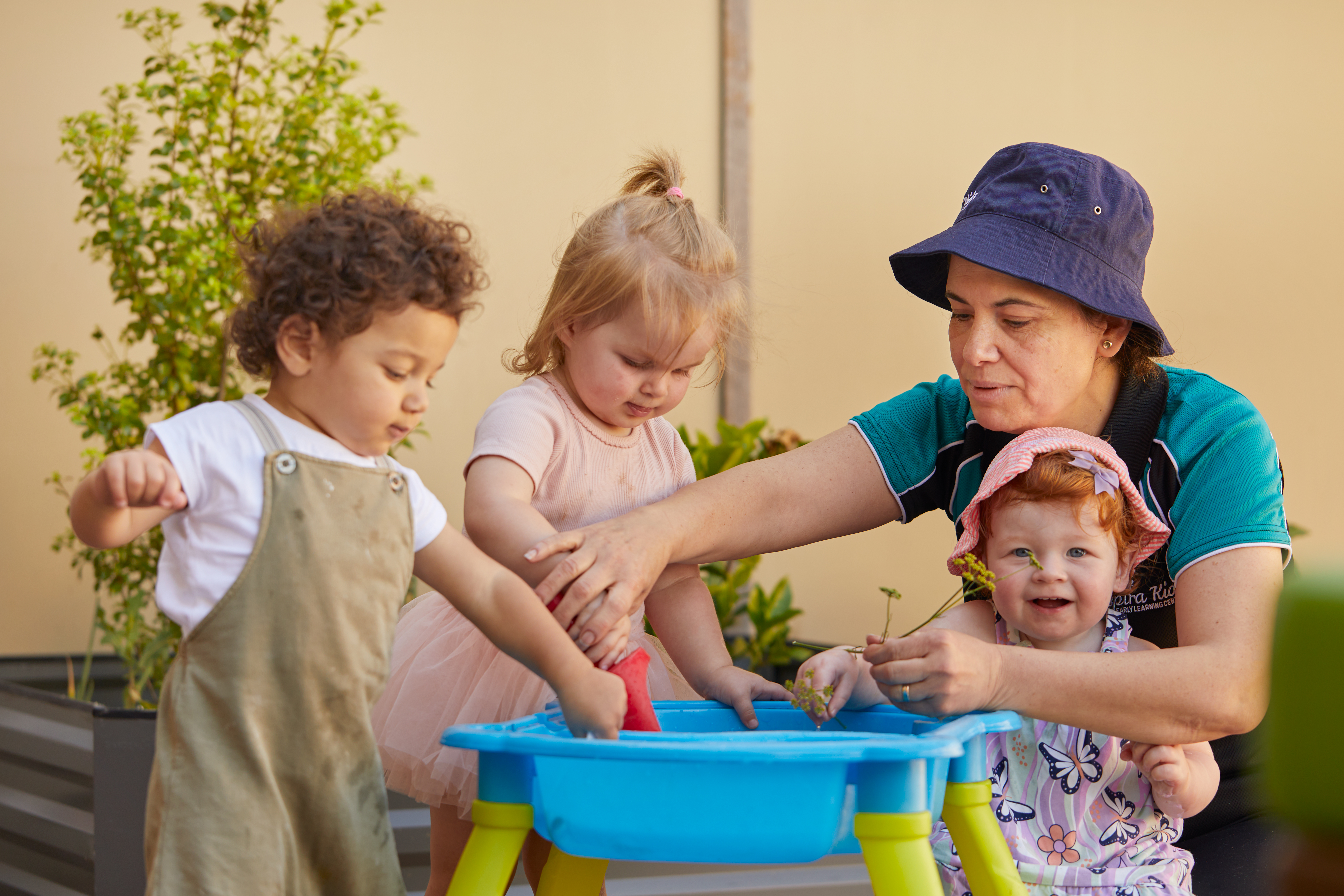
The brain builds pathways through repeated experiences. Each time a child hears language, solves a problem, or explores something new, neural connections are strengthened that support long-term memory, attention, and learning how to solve the same problem in the future.
Simple decisions, problem-solving moments, and curiosity-driven exploration all support early thinking skills. These experiences help children develop the ability to make choices, adapt, and understand the world around them.
Character: Emotional Safety And Relationships
Emotional safety is essential for brain development. When children feel secure, their brains are more open to learning, exploring, and connecting. When they feel stressed or unsafe, it becomes harder to focus and regulate emotions.
Relationships and a sense of belonging play a key role in building self-regulation and confidence. Through consistent, responsive interactions, children learn how to manage emotions and engage socially.
Read more: What To Expect At Every Stage Of Development When Your Child Starts Childcare?
How Inspira Kids Support Brain Development In Early Childhood.
As brain development is involved in every daily activity, understanding the function and conduct suitable activity set the foundation for proper brain development in children. At Inspira Kids, early brain development is supported through meaningful relationships, guided learning experiences, and responsive everyday interaction. Through the Body, Mind, and Character pillars, children are encouraged to build communication, emotional regulation, physical coordination, problem-solving skills, and social confidence in a balanced and supportive environment.
Visit Inspira Kids to explore how supportive early learning environments and meaningful daily experiences can help strengthen your child’s brain development, confidence, and long-term wellbeing.