Our Insights
Understanding Your Child Better
Our Insights
Understanding Your Child Better
Our Blog
Fine Motor Skills Examples For Kindergarten: Everyday Skills For School Readiness
Fine motor skills are the small hand and finger movements children use for everyday tasks such as drawing, turning pages, using utensils, fastening clothes, and beginning to write. During the kindergarten years, these skills become more visible because children are expected to use them more often in both learning and daily routines. What may seem like simple actions actually require coordination, control, and practice.
This article explains how fine motor skills develop gradually through play, repetition, and everyday experiences, and why hands-on learning is important for building children’s confidence, independence, and school readiness over time.
Fine Motor Skills Examples For Kindergarten: Everyday Skills For School Readiness
What Are Fine Motor Skills In Kindergarten Age?
Why Fine Motor Skills Matter For School Readiness
Common Fine Motor Skills Examples
Stages Of Fine Motor Development
How Does Inspira Kids Support Fine Motor Development And School Readiness?
What Are Fine Motor Skills In Kindergarten Age?
In kindergarten-aged children, fine motor skills involve coordinating the small muscles of the hands together with visual focus. This can look like colouring, drawing, cutting, turning pages, building with blocks, completing puzzles, and beginning to form letters and numbers. These actions happen throughout the day in both structured learning and play.
These skills support more than just handwriting. They allow children to use classroom tools, manage materials, and take part in activities with greater independence. When fine motor control is still developing, children may understand what to do but struggle with the physical coordination needed to complete the task.
Why Fine Motor Skills Matter For School Readiness
In the transition to kindergarten, children use a lot of tools such as pencils, crayons, glue, scissors, and clothing fasteners more independently. Fine motor skills make these everyday tasks more manageable and less frustrating, by coordinating hands to their eyes when they receive information.
When children can complete small tasks on their own, they often feel more capable and willing to participate in slightly more complicated activities. This sense of achievement helps children engage more comfortably in classroom life.
Common Fine Motor Skills Examples
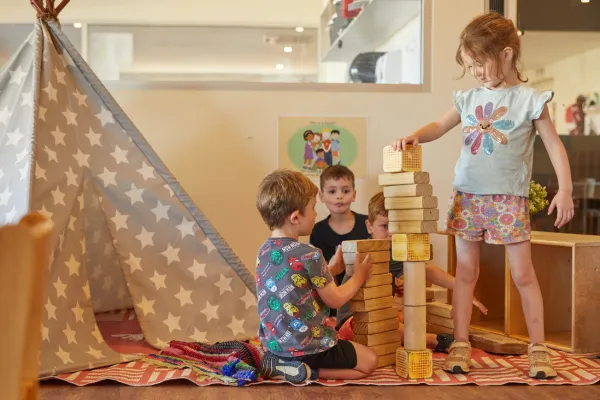
Common fine motor activities for children include drawing, colouring, scribbling, cutting with scissors, threading beads, completing puzzles, turning book pages, stacking blocks, and using utensils during meals. These activities help children gradually improve grip strength, movement control, concentration, and the coordination needed for early learning tasks.
Children also develop fine motor skills through practical daily routines such as buttoning clothing, using zips, and practising early writing movements. Early writing skills often begin with simple lines, shapes, and scribbles before children gradually learn letter and number formation. Regular opportunities for hands-on play and repeated practice can help children build confidence, independence, and school readiness over time.

Stages Of Fine Motor Development
Fine motor skills begin developing from infancy and continue to improve through early childhood. Understanding these stages helps parents recognise that development is gradual and uneven rather than linear. Each stage builds on earlier experiences.
Children do not move through stages at exactly the same pace. Some may develop certain skills earlier while taking longer with others, which is a normal part of growth.
Babies
In infancy, babies explore by clasping their hands, playing with fingers and toes, and reaching for objects. These early movements build awareness and coordination.
Toddlers
Toddlers often build towers, doodle with crayons, and begin using simple tools like spoons. These experiences are often messy - as you may see them draw on any surface, but important for developing control.
Preschoolers Years
Preschool-aged children begin using scissors, drawing more intentionally, and exploring construction play. Some may start writing their name or simple numbers.
Early School Years
By early primary years, children often show improved precision, such as colouring within lines, forming letters clearly, and managing buttons and zippers more independently.
Read more: How to Help Children Overcome Shyness?
How Does Inspira Kids Support Fine Motor Development And School Readiness?
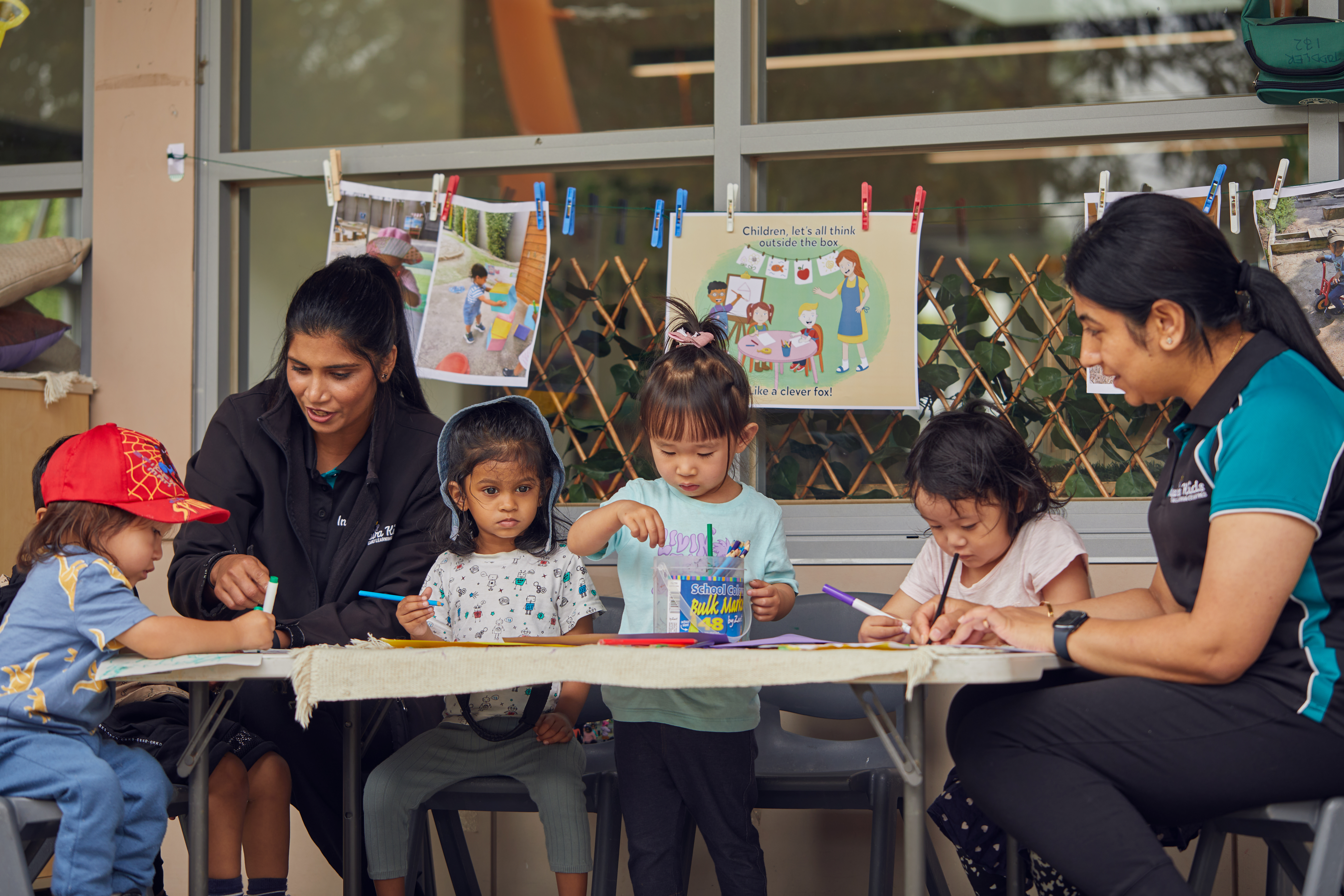
At Inspira Kids, fine motor development is associated with Mind and Body pillars, supported through hands-on learning experiences that are integrated into everyday activities such as drawing, puzzles, block play, craft, and guided tasks. These experiences help children gradually build hand strength, coordination, control, and confidence in ways that feel engaging and developmentally appropriate.
Educators recognise that children develop at different paces and provide support based on each child’s readiness and participation. Through consistent practice, encouragement, and meaningful everyday learning experiences, children can develop greater independence and confidence when completing tasks linked to kindergarten and school readiness. Fine motor development is therefore supported as part of a broader approach to children’s wellbeing, participation, and early learning.
Visit Inspira Kids to explore how everyday hands-on learning experiences can support your child’s fine motor development, confidence, and readiness for school.
FAQ
Is It Normal For Fine Motor Skills To Develop Slowly?
Yes. Fine motor skills usually develop gradually through everyday play, routines, and repeated practice. Children may feel confident in some tasks while still needing support with others, and development can vary from child to child.
My Baby Uses Their Whole Hand To Grab Food. Is That Okay?
Yes. Many babies begin by using a full palm grasp before gradually developing a pincer grasp using the thumb and finger, which often develops closer to 12 months.
My Toddler Is Very Messy With A Spoon. Should I Be Concerned?
Messiness is a normal part of learning. Young children are still developing wrist control, grip strength, and coordination, and neat utensil use often improves gradually over time.
Other Children Are Drawing Shapes, But My Child Only Scribbles. Is That Normal?
Yes. Scribbling is an important stage of fine motor development because it helps children build hand control and the muscle coordination needed for later drawing and writing skills.
Why Does My Child Get Frustrated During Puzzles?
Puzzle can be frustrating because it requires children to pay attention to smaller details, which often exceed what they can do at certain ages. Parents can start with simple puzzles with 6-20 pieces first, then you can increase difficulty later when children are more comfortable.
My Child Still Finds Buttons And Zippers Difficult. Is That Common?
Yes. Skills such as using zippers, buttons, and fasteners can take time to develop because they require coordination, finger strength, and precise hand movements.