
Our Insights
Understanding Your Child Better
Our Insights
Understanding Your Child Better
Our Blog

Road Safety Week in Childcare: How To Use Games In Teaching Young Children Safe Road Habits
Road Safety Week is an important opportunity for childcare services to focus on helping young children develop early awareness of safe behaviours around roads, vehicles, and traffic. In early learning settings, the goal is not to introduce fear or complex rules, but to support children in building simple, repeatable habits that fit naturally into their everyday lives.
For childcare educators and families, Road Safety Week provides a shared moment to highlight consistent safety messages, strengthen everyday routines, and show children that road safety is part of caring for themselves and being considerate of others’ circumstances.
What Is Road Safety Week and Why Does It Matter in Early Childhood
Road Safety Week is a national awareness initiative designed to promote safer behaviours for all road users. In Australia, Road Safety Week is often held in May, lasting for a week. While road safety education is often associated with older children or drivers, early childhood is a critical time to begin introducing basic safety concepts in developmentally appropriate ways.
Young children are still developing the skills needed to understand speed, distance, and risk. They are naturally curious, easily distracted, and heavily reliant on adults to guide safe behaviour. Because of this, early road safety education focuses on habit formation rather than rule enforcement, allowing children to form fundamental skillsets to protect themselves when engaging in public traffic.
In childcare settings, Road Safety Week offers a clear and age-appropriate framework for:
Introducing simple road safety concepts, including road signs, traffic lights, etc.
Reinforcing adult supervision and guidance.
Supporting children to practise safe routines through play or interactive games.

Why Early Road Safety Education Is Important
Injury prevention research from UNICEF consistently shows that young children are particularly vulnerable around roads and traffic environments. While serious incidents are uncommon, everyday exposure to potential risks is frequent during walking, parking, and drop-off routines.
Due to their stature, they have difficulty looking at road safety signs and other traffic signals above infrastructure and vehicles. Early road safety education does not place responsibility on children to keep themselves safe. Instead, it helps them recognise predictable routines that are always paired with adult support.
For young children and adolescents, it is also recommended that:
Young children learn safety behaviours best through repetition and routine.
Calm, consistent messages are more effective than one-off instructions.
Adult role modelling strongly influences children’s behaviour
This makes childcare environments especially well suited to supporting early road safety learning, as educators can embed messages into daily practice.
Key Road Safety Messages for Young Children
As problems have elaborated above, it is challenging to teach road safety guidelines for children when we lack sufficient tools to support our lecture. To effectively incorporate these guidelines, road safety education in childcare centres should focus on a small number of clear, concrete messages that relate directly to children’s everyday experiences.
Common messages include:
Always hold an adult’s hand near roads or car parks.
Stop and wait before crossing.
Look and listen for cars.
Sit properly and stay buckled in the car.
Wear a helmet when riding bikes or scooters.
These messages are introduced gradually and reinforced through repetition. Educators should avoid frightening language or scenarios, although sometimes lectures can include some foreseeable consequences to emphasise the importance of actively following instructions.

Top Practical Road Safety Week Activities for Childcare
Based on children’s cognitive function, it is also necessary to adopt some initiatives to spice up your lecture. Road Safety Week activities are most effective when they are play-based, hands-on, and familiar to young children, often conducted in task-based learning modules. Activities should encourage participation, movement, and discussion.
To tailor your activities, you must understand the differences in cognitive functions among different age groups. For example, children under 4 years of age might find it hard to remember or repeat simple instructions, but a color sorting game could be useful to get familiar with road signals and traffic lights.
You can find the top 4 activities that will help you arrange a successful lesson:
1. Role play and dramatic play
Create a pretend road using mats, tape, or outdoor spaces.
Add toy cars, pedestrian crossings, and simple signs.
Practise stopping, waiting, and crossing with the educator's guidance.
Use dolls or figures to model safe behaviours.
Actively asking for the elders’ support when they are unable to perform road safety alone.
2. Games and movement activities
Play red light/green light to practise stopping and starting.
Set up obstacle courses with stopping points and waiting cues.
Walking games that reinforce holding hands and staying together
3. Creative and craft experiences
Make simple traffic signs using colours and shapes.
Draw pictures of safe and unsafe road situations.
Create helmet or vehicle-themed art activities.
4. Books and group discussions
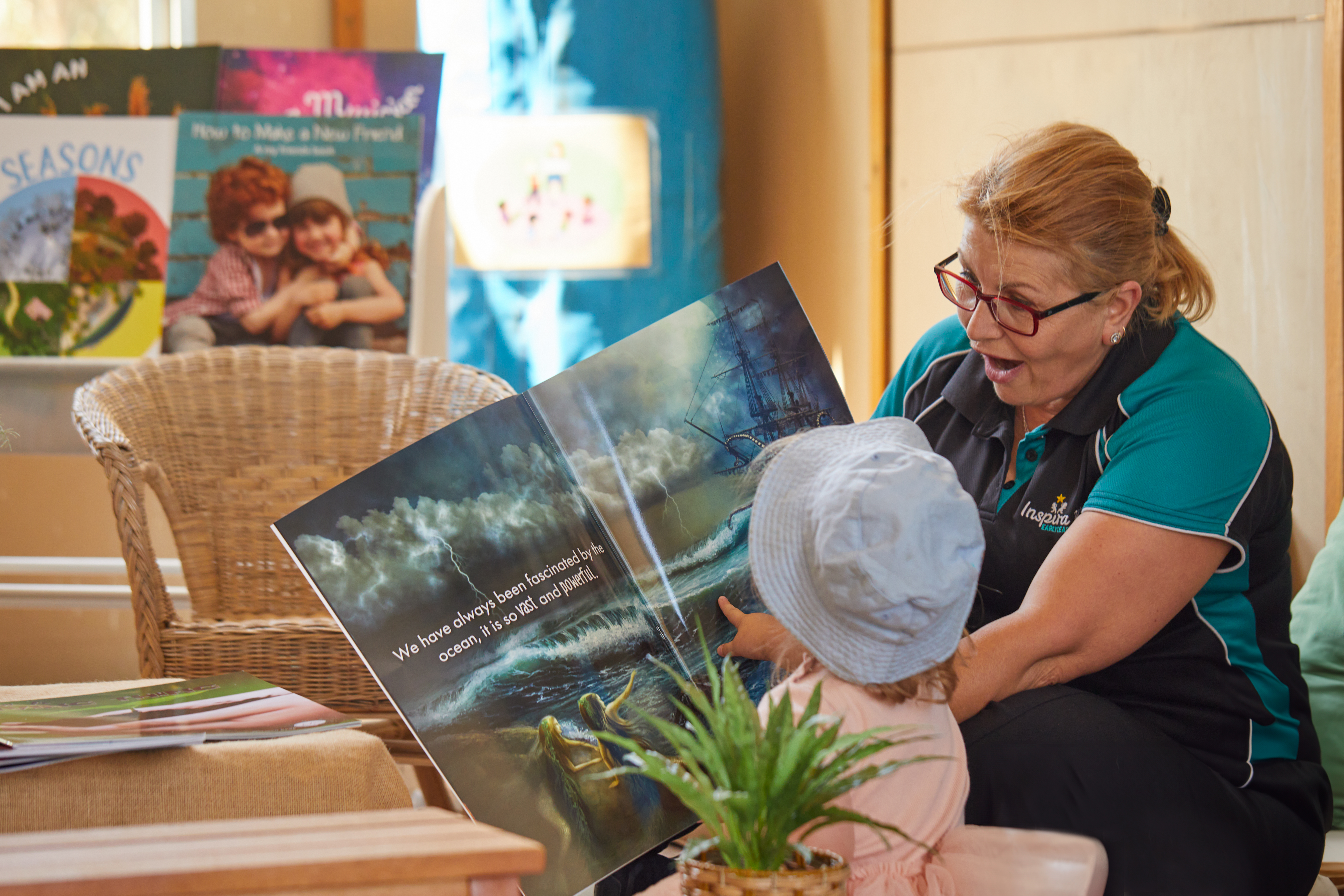
Read age-appropriate stories about travel and road safety.
Talk about how children arrive at childcare each day.
Use daily routines as conversation starters.
Ask open-ended questions to learn about different reactions when encountering safety problems.
How Educators Can Reinforce Road Safety Messages Daily
Educators play a central role in supporting road safety learning by embedding messages into everyday routines, not just during Road Safety Week. As children are more likely to remember short and concise commands, they must have guidance from the elders, translating hard-to-read guidance into actionable tips.
This can include:
Talking through safety steps during walks, transitions, or excursions
Using consistent language across rooms and age groups
Modelling calm, attentive behaviour near roads and car parks
Acknowledging and praising safe choices to encourage good behaviours and lightly feedback to eliminate bad ones.
Consistency helps children feel confident and secure, supporting learning without creating anxiety. This will also prepare children when they are in the streets with actual scenarios, helping them handle safety concerns better.
How Educators and Families Work Together
Road safety learning is most effective when children hear the same messages at childcare and at home. Strong partnerships between educators and families help reinforce learning and build trust. Since children would take their parents’ actions as their guidance, it is important to adopt some ideas to teach about road safety at home as well.
Educators can support families by:
Sharing key Road Safety Week messages, including what should be implemented daily.
Explaining what children are learning and why
Offering simple ideas that families can use in everyday routines
Families can reinforce learning by:
Modelling safe behaviour near roads and traffic
Talking through actions such as stopping, waiting, and holding hands
Using language that aligns with what children hear at care
Avoiding contradictions should be prioritised to minimise confusion. Therefore, children could form healthy habits more easily.

Continuing Road Safety Learning Beyond Road Safety Week
Road Safety does not limited to a period; it should be an everyday caution, eventually forming a conscious response to road signals as children grow up. Road safety education should continue beyond a single awareness week, helping children learn and adopt more signals they might find when going down the street. Ongoing reinforcement helps transform learning into long-term habits.
Childcare services may continue supporting road safety learning by:
Revisiting safety messages during outdoor play, applying spaced repetition for higher knowledge retention.
Linking road safety to other learning areas
Using real-life experiences as teaching resources.
Small, regular reminders are more effective for young children than one-time lessons. Every day practice plays a key role in developing reliable safety behaviours.
At Inspira Kids’ facilities, parents are welcome to book a tour and observe teaching activities in action, seeing how educators support every child’s unique learning style. Visiting the childcare environment helps families understand how thoughtfully planned activities can help children learn about road safety guidelines through collaborative games.