Our Insights
Understanding Your Child Better
Our Insights
Understanding Your Child Better
Our Blog
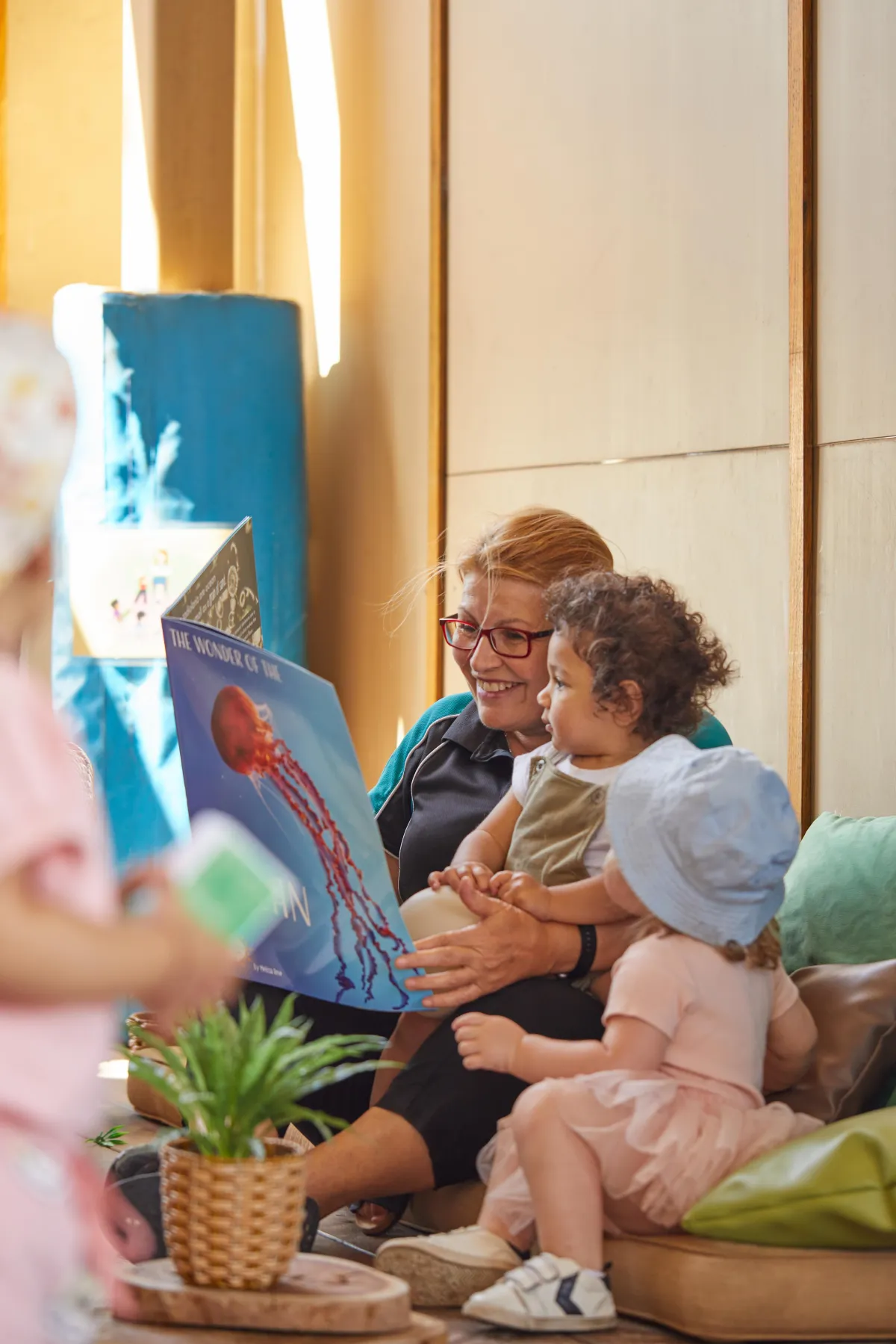
Emotional Intelligence: How Inspira Kids Can Teach Children Empathy Through Storytelling
When you’re choosing childcare, it’s natural to notice the “learning” you see is odd: the nursery rhymes, the fairytales, or even simulating tea parties. Contrary to our beliefs, children often pick up lessons like these better than formal instructions.
Another kind of learning that also matters: emotional intelligence. It’s what helps children understand themselves, connect with others, and cope with everyday challenges. And the good news is: empathy can be taught, especially when it’s included in play-based experiences children already love.
In this article, let us guide you through the explanation of emotional intelligence, as well as how we can use everyday material to teach them these skills.
What Emotional Intelligence Means In Early Childhood
In the early years (0–5), emotional intelligence is the set of skills children build to:
notice and name feelings (in themselves and others)
manage big emotions with support
understand different perspectives (even in simple ways)
respond with care (comforting, sharing, helping, taking turns)
For toddlers and preschoolers, emotional intelligence doesn’t look like long conversations. It looks like small, everyday moments: a child bringing a tissue to a crying friend, reading facial expressions to produce answers, or learning to wait for help.
Interestingly, as soon as children are 14 months old, they start to develop shared intentionality, a trait that urges them to help others when they notice someone needs their help.

Why Emotional Intelligence Matters As Much As Academics
Academic skills are useful, but they can only show you half the picture. While emotional intelligence is subtle, performing it well could help your child form meaningful connections with their peers.
One of the highlighted achievements of preschoolers is making new friends. Although it might appear less appealing compared to being good at math, it helps toddlers learn multiple social skills at the same time, including negotiating, persuading, and solving problems with rational reasoning.
In other words, emotional intelligence supports both wellbeing and learning readiness. It helps children become confident learners and kind community members.
Why Storytelling Is Powerful For Teaching Children Empathy
Stories are one of the most natural ways to support empathy because they let children “try on” feelings and perspectives safely. Through characters and simple plotlines, children practise:
identifying emotions (“She looks sad.”)
cause and effect (“He felt left out because…”)
problem-solving (“What could they do next?”)
perspective-taking (“How would you feel if that happened to you?”)
Even very young children who aren’t ready to explain emotions clearly can still learn through tone and pictures. It might seem like children can not learn properly through reading stories, science experiments prove otherwise.
Take fairytales as an example, through implication of cause and effect, fairytales demonstrate causal relationships, with rewards coming after good behaviors. In addition, by separating clearly what is good and bad, fairytales help children identify the behavioural patterns, encouraging them to refuse to act the same way.
How Inspira Kids Builds Empathy Through Storytelling
At Inspira Kids, empathy learning is designed to support the Character pillar, while also strengthening the Mind pillar through language, thinking, and comprehension. Storytime becomes an experience where children practise understanding emotions, relationships, and choices.
Here are four practical approaches Inspira Kids use to incorporate empathy into storytelling sessions.
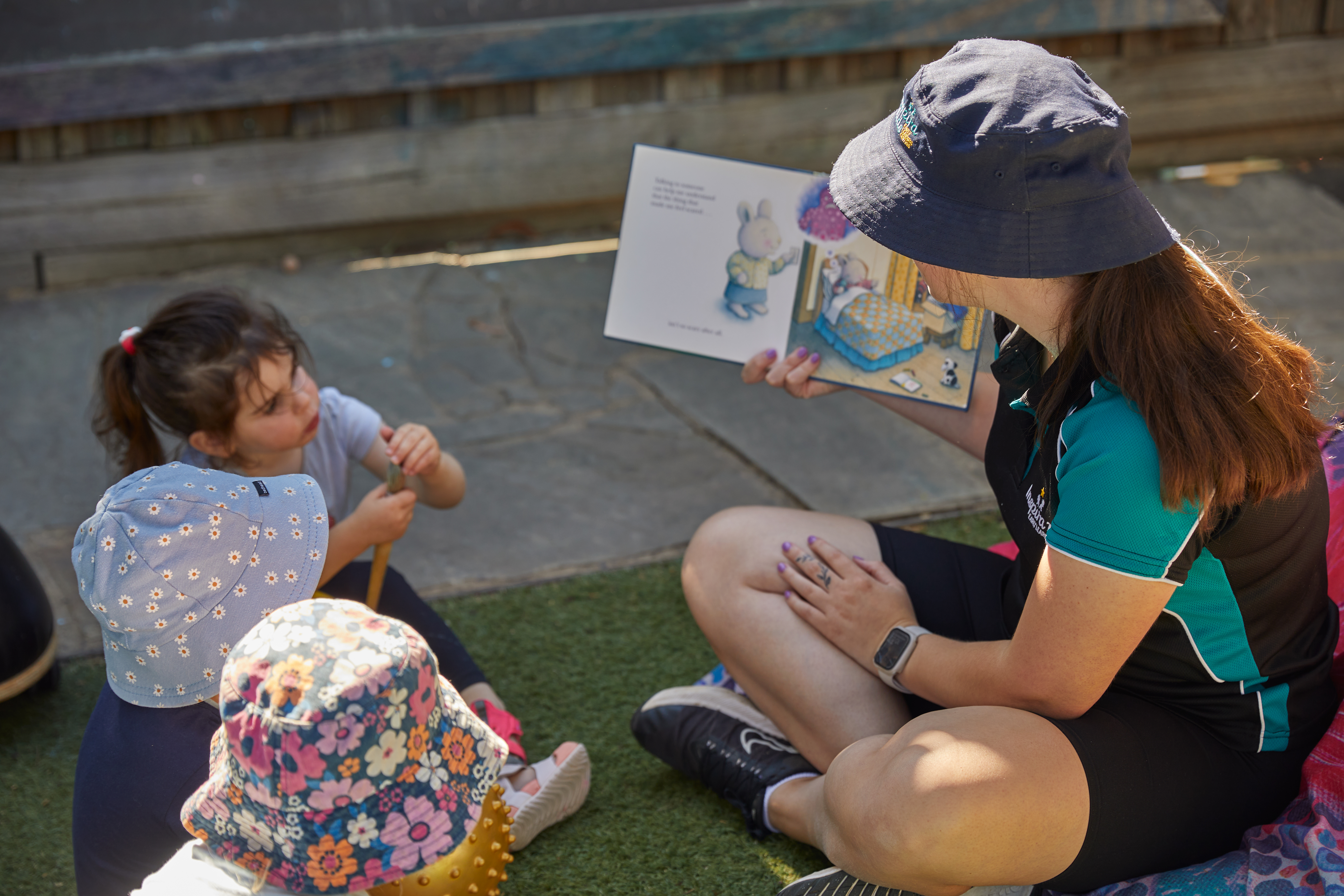
Interactive Story Discussions
Instead of rushing to the last page, educators pause and invite children into the story with simple prompts:
“What do you think they’re feeling?”
“What happened that made them feel that way?”
“What could a friend do to help?”
For toddlers, this may be pointing to faces in the book and naming emotions. For older preschoolers, it becomes short discussions.
Role-Play Based On Stories
After a story, children may act it out using props, puppets, or dramatic play areas (home corner, shop, clinic). Role-play makes empathy “real” because children practise:
Fine motor skills while preparing materials.
Sharing roles or display personalities
Taking turns being the helper.
Repairing small conflicts (“Let’s try again”)
Emotion Check-Ins After Storytime
A simple emotional “check-in” helps children connect stories to their own lives, or even reassure them how to separate the stories from their lives. Educators might ask:
“Have you ever felt like that?”
“What helps you when you feel worried?”
“Should we practise a calm breath together?”
For toddlers, it might be choosing an emotion card or pointing to a face. For preschoolers, it can be a short share in a circle. Writing down the emotions could also be a good idea to express them in private, forming writing and storytelling skills.
Diverse Stories That Reflect Different Experiences
Empathy grows when children see characters from different backgrounds, as it means difference is common. Thoughtful story selection helps children learn:
Not everyone experiences the world the same way
We can be kind even when we don’t fully understand
Inclusion is part of being a community
With respect for acknowledging the Traditional Owners and Custodians of the Lands across Australia, telling stories about the First People in Australia, written by Aboriginal and Torres Strait Islander peoples is a good idea to introduce children to the history of Australia, and how it shapes today’s world.
Where Inspira Kids’ Values Fit In
Empathy is a life skill children carry into friendships, family relationships, and school. Inspira Kids’ approach supports empathy through the Character (kindness, resilience, social confidence) while strengthening the Mind (language, reading comprehension, problem-solving) through intentional storytelling experiences.
With three pillars in teaching, Inspira Kids teach beyond academics: children learn how to understand themselves, care about others, and belong in a community. Book a tour with us today to find out more about our dedication to raise the future generation.