5 Benefits Of Reading To Children And How Shared Reading Supports Development
5 Benefits Of Reading To Children And How Shared Reading Supports Development
At a young age, exposure to language may appear when children read with their caregivers. As children listen, they build language, communication, early literacy, and emotional understanding through imagining the plot of the stories.
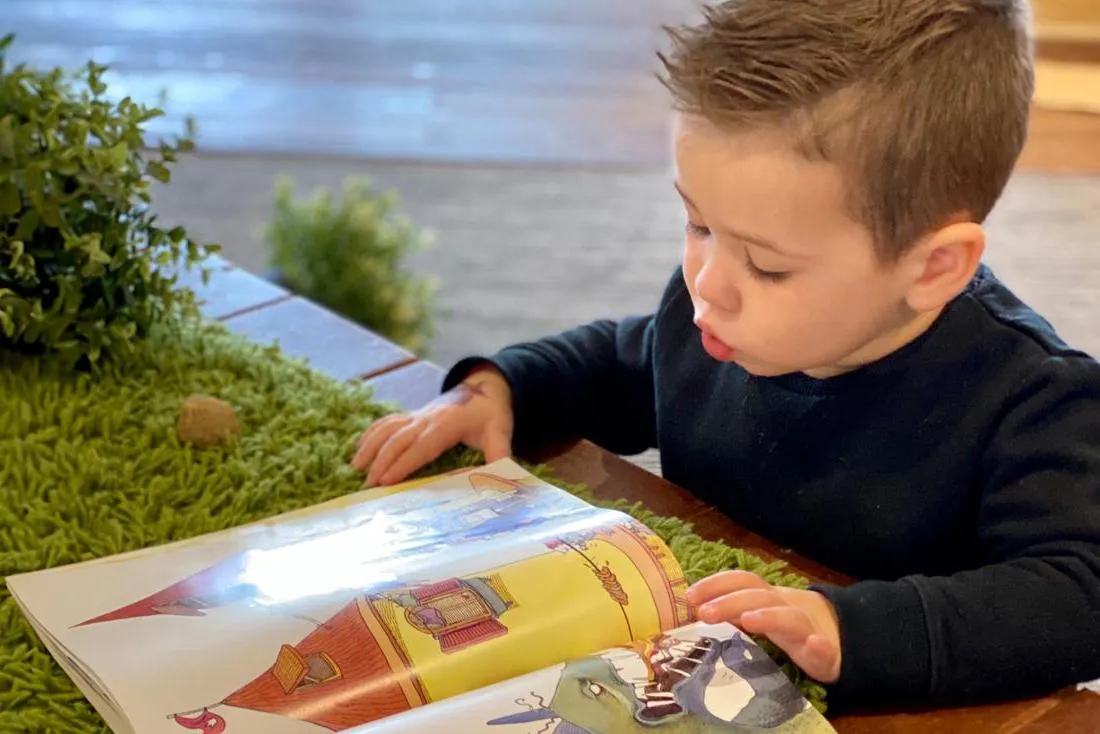
For babies and toddlers, reading may involve listening to a familiar voice, touching, from a board book to pictures. According to The Australian Government’s Pregnancy, Birth and Baby service, it advises that reading from a young age can support language, literacy, social-emotional development, and the relationship between a child and caregiver.
This article reveals five benefits of reading to children and explains how parents and educators can make shared reading more interactive, age-appropriate, and enjoyable.
Why Is Reading To Children Important?
Young children begin developing communication and early literacy well before they read independently. The basic process of learning language starts with hearing phonetic language, observing how adults use language through reading, talking, then connecting spoken words with people, objects, feelings, and events.
By this, early learning programs often involve shared reading between caregivers and toddlers, immersing children in the world of imagination.
1. Reading Builds Language And Communication Skills
One of the clearest benefits of reading to children is exposure to a wider range of words, sentence patterns, sounds, and ways of expressing ideas.
Common in children’s books, the association between illustrations and simple paragraphs introduces a wide range of vocabulary to children, helping them link new words with attractive images they see, which they can apply once they see similar objects in real life.
For example, a child might already know the word “dog,” but a story can introduce related words such as puppy, paw, lead, bark, gentle, excited, or frightened. The pictures and events help the child understand what these words mean rather than hearing them in isolation.
2. Reading Strengthens Attention And Memory
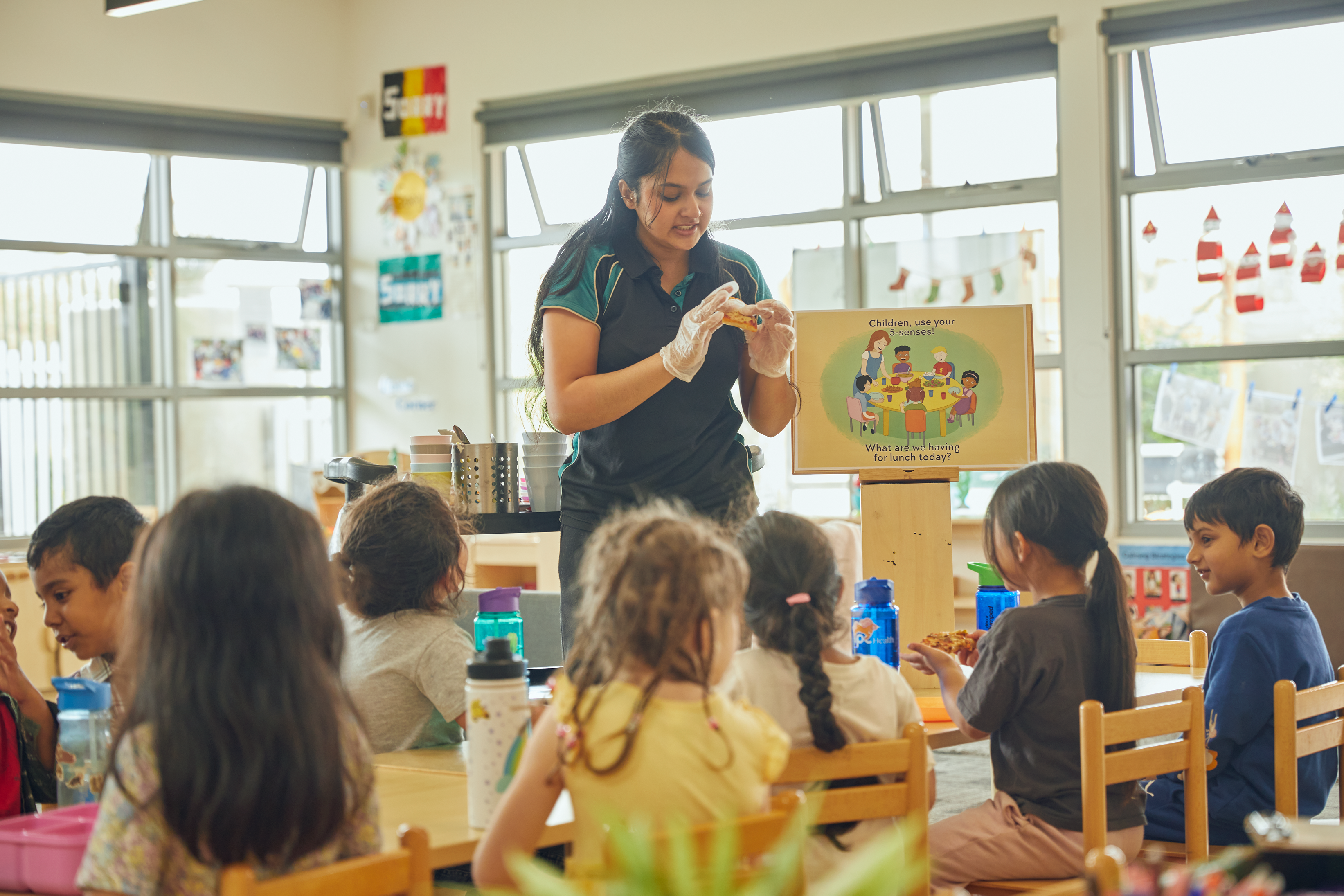
Listening to a story gives children practice in following an idea over time. They begin to remember characters, notice motifs, and understand how one part of a story connects with another.
A toddler may initially stay for only one or two pages. With familiar routines and books that suit their interests, they may gradually participate for longer. Re-reading a favourite book can also support memory. By this, children will have more time to develop reasoning skills, looking at hidden meanings of the stories: they may remember what is hidden under a flap, anticipate a repeated sound, or explain what will happen on the next page.
3. Reading Encourages Imagination And Early Problem-Solving
Stories allow children to explore places, characters, and situations beyond what is directly in front of them. One of the common book genres is fairy tales, which encourage children to imagine the imaginary world using their vivid imagination – one of the powerful tools that support deep thinking.
By realising the similarity between characters and real-life situations, reading also creates simple opportunities for problem-solving. A parent or educator might pause when a character faces a difficulty and ask, “What could they try?” The child can consider different options without needing to find one correct answer.
These conversations help children connect imagination with reasoning. Recognition of these imaginative situations prepares children for the real world, as they can apply their thinking skills to solving problems they might face throughout their lives.
4. Reading Helps Children Understand Feelings And Perspectives
Books give children a safe way to explore emotions that may be difficult to explain during a real event. A character might feel nervous about starting childcare, disappointed after losing a game, or upset when a friend will not share. To assist, children book authors often make use of these situations and tell stories that replicate chaotic emotions children experience during their lives.
For instance, when children accidentally break a dish, a story about realizing faults and taking action to fix will resonate with children more, as they can use the plot to reflect their past actions, therefore coming up with appropriate solutions to avoid making similar mistakes.
To help children understand the plot more carefully, caregivers can help the child notice the emotional cues by saying, “Her face looks worried,” or asking, “What might help him feel better?” This gives children language for emotions and introduces the idea that another person may experience a situation differently.
Reading can’t replace direct emotional support, but it gives children examples and words they can draw on as their emotional understanding develops. When children don't want to interact with others, reading can be a perfect getaway to help children settle down at their own pace.

5. Reading Creates Time For Connection And Predictable Routines
Shared reading gives a child focused time with a parent, caregiver, sibling, or educator. Sitting together, listening to a familiar voice, and choosing a book can create a calm point within a busy day, helping children form a trusted relationship with their caregivers.
For children experiencing a change in routine, a familiar book may also provide reassurance to deflect children from the uncomfortable scenarios. Repetition allows them to know what is coming and participate in a predictable interaction with a trusted adult. Australian guidance recommends making reading enjoyable through conversation, songs, play, expressions, and repeated favourite books rather than focusing only on completing the text.
How To Make Shared Reading More Interactive
Interactive reading means while reading, adding a few questions or interacting with children could stimulate children’s curiosity, encouraging them to think deeper into the topic. A few small changes can help children take a more active role.
Before reading, look at the cover and ask what the child notices. During the story, pause occasionally to talk about an illustration, repeat an interesting sound that can be ideas for spelling lessons or connect an event with something the child knows.
Parents might use different questions such as:
“What can you see in this picture?”
“How do you think the character feels?”
“What do you think might happen next?”
“Can you find the red hat?”
“Does this remind you of something we have done?”
The questions should support conversation, maintaining long-term thinking and reasoning skills. It is also fine for a child to point, make a sound, act out a movement, or simply listen.
Choosing Books For Different Early Childhood Stages
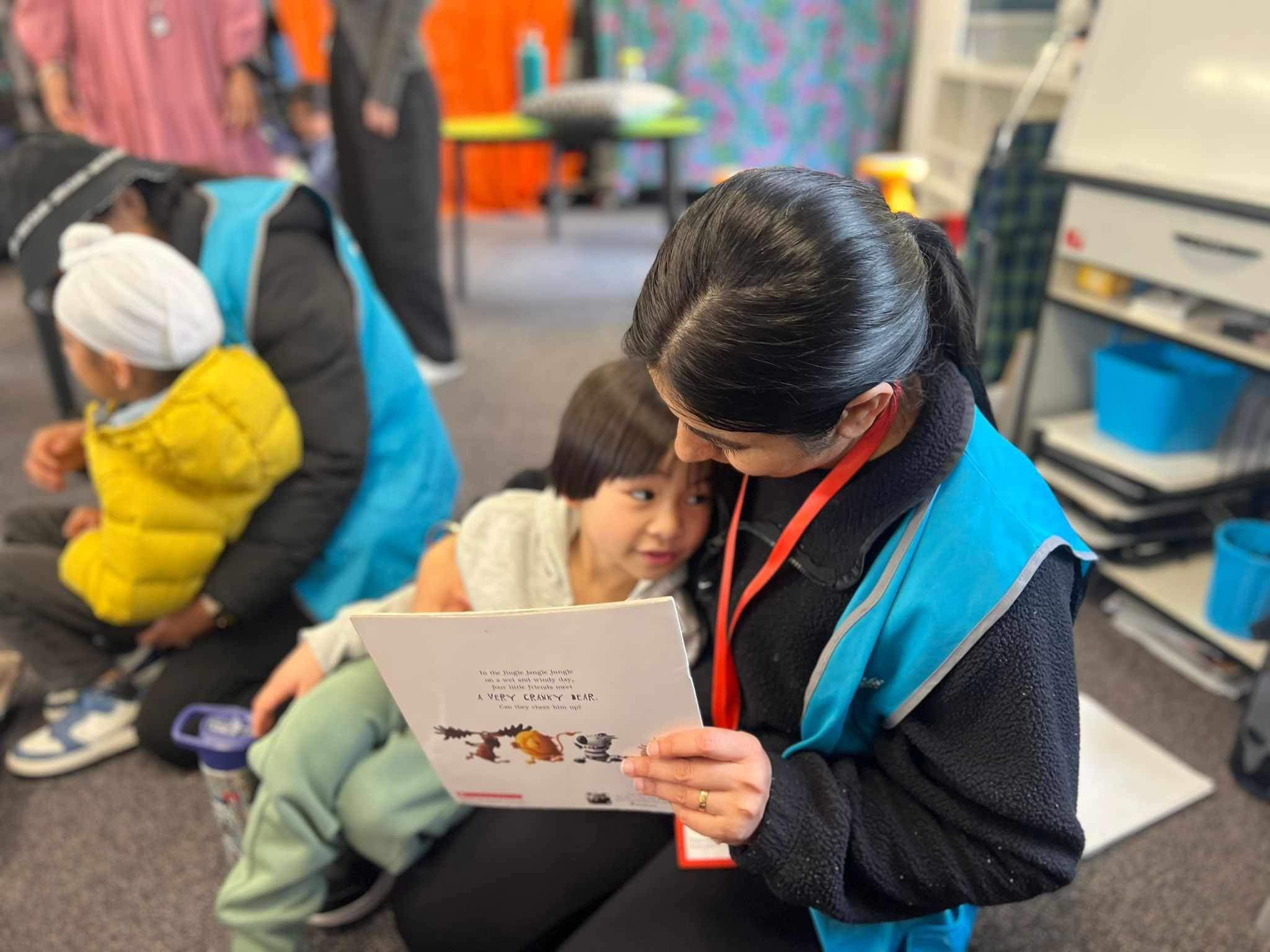
Children have different developmental needs at various stages of development; selecting the right books for each stage allows them to engage with language and content that are appropriate for their development.
Babies often respond well to sturdy board books with simple images, clear pictures, textures, and rhythm, which could help during singing nursery rhymes. At this stage, hearing a familiar voice and interacting with the book may matter more than following a complete storyline.
Toddlers may enjoy stories about familiar topics they may see: animals, transport, food, family, and everyday emotions. Repeated phrases and opportunities to make sounds or predict a word can make the reading more rewarding.
Preschoolers can begin exploring longer sentences, covering mental topics like feelings, trusted friendship, problem-solving, cultural stories, and more complex emotions. They may enjoy discussing why a character acted in a particular way or creating a different ending.
Supporting Early Literacy At Inspira Kids
At Inspira Kids, reading and storytelling are integrated into everyday communication and the C.O.R.E Literacy Programme. To support children through reading, children can participate in different activities that align the most, from listening to stories, self-reading, group reading or conversing together after reading together.
Educators do more than read the words on a page. They observe children’s responses, invite them to notice illustrations, introduce useful vocabulary, and allow stories to continue through drawing, movement, discussion, and play. Through regular access to books and responsive educator support, children can develop confidence with listening, speaking, storytelling, and early reading behaviours at their own pace.
Families interested in seeing how stories and early literacy are included throughout the day can book a tour at their nearest Inspira Kids centre.
FAQs about the Benefits of Reading for Children
1. When Should Parents Start Reading To A Child?
Parents can begin reading from infancy. Babies may not understand the story, but they can listen to the adult’s voice, look at pictures, and begin becoming familiar with books and language.
2. How Often Should Parents Read To Children?
Regular reading is helpful, but it does not need to follow a strict duration. A few positive minutes may be more suitable than expecting a young child to sit through a long story.
3. Is It Helpful To Read The Same Book Repeatedly?
Yes. Repetition helps children become familiar with words, phrases, sounds, characters, and story sequences. It also gives them more opportunities to predict and participate.
4. Does Reading To A Child Help With Speech?
Reading exposes children to vocabulary, sounds, sentence patterns, and conversational exchanges that support language and communication. Parents with concerns about their child’s speech should still seek advice from an appropriate health professional.
5. Should Parents Ask Questions While Reading?
A few natural questions can support conversation and comprehension. Parents should avoid asking so many questions that the story begins to feel like a test.