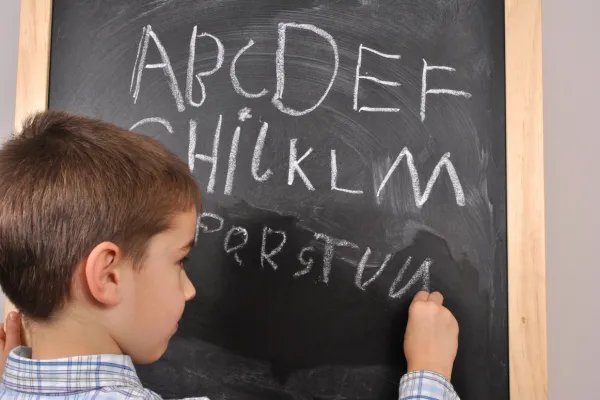
Spelling Lesson: Effective Spelling Instructions For Young Learners
Many parents hear the words “spelling lesson” and think of word lists, weekly tests, or memorising words by heart. For young children, however, spelling begins with spelling a simple object they see at home.
An effective spelling lesson helps children notice letters, hear sounds, recognise familiar words, and understand that print has meaning. Through play, stories, songs, routines, and everyday conversations, children can build early literacy skills with confidence and support.
Spelling Lesson: What Effective Spelling Instruction Looks Like For Young Learners
What Is A Spelling Lesson For Young Learners?
What An Effective Spelling Lesson Should Include
What A Play-Based Spelling Lesson May Look Like
Two Simple Spelling Activities For Young Children
What To Keep In Mind When Planning A Spelling Lesson
Constant repetition helps forming long-term memories
What Is A Spelling Lesson For Young Learners?
A spelling lesson for young children looks very different. In the early years, children are still building the foundations they need. Early spelling instruction often begins with alphabet awareness, letter recognition, sound exposure, familiar words, and children’s own names.
These early steps help children connect words with people, objects, stories, songs, and classroom routines. For example, a child may recognise the first letter of their name before they can write it clearly. They may notice that “ball” starts with the same sound as “baby” before they can spell either word.
What An Effective Spelling Lesson Should Include
For young children, it begins with understanding how language works. Children need time to hear sounds in words, notice phonic patterns, recognise familiar words, and see print used in everyday routines.
This can happen through rhyming songs, picture books, name cards, labels, magnetic letters, and simple educator guidance. These experiences help children connect what they hear with what they see, which supports both reading and early writing development.
When spelling is introduced in this way, children are not just trying to remember words. They are learning how sounds, letters, and meaning work together.
What A Play-Based Spelling Lesson May Look Like
A play-based spelling lesson is famous for its effect on children's learning, especially at a young age, where formal lessons are sometimes overwhelming. Educators set up activities and classroom spaces that help children notice letters, sounds, words, and communication throughout the day, which eventually lead to a love for reading.
Parents might see alphabet displays placed at child height, labelled classroom objects, name cards, picture books, rhymes, letter puzzles, magnetic letters, and writing corners. These resources help children notice sounds, letter shapes, and early writing tools in a natural way.
For example, a label on a toy basket helps children connect words with real objects. A name card helps a child recognise letters that are personally important to them. For example, when children reach for a basket of “cars” they know that inside there are car toys.
Educators may also support spelling through everyday conversations. They might say, “Your name starts with M,” or “Ball begins with the /b/ sound.” These small moments help children build letter recognition, sound awareness, and confidence with language.
Two Simple Spelling Activities For Young Children
Simple spelling activities do not need to feel like formal lessons. For young children, the most helpful activities are often short, playful, and connected to letters, sounds, and objects they already know.
Alphabet Hunt
An alphabet hunt encourages children to look for familiar letters around the room. These may include letters in their name, labels on classroom objects, letters in picture books, or letters on classroom displays.
For example, a child named Mia might look for the letter “M” on a name card, a book cover, or an alphabet chart. Another child might notice the letter “B” on a basket label or in the word “book”.
This activity supports letter recognition, name recognition, print awareness, and confidence with familiar letters. It also helps children understand that letters are not only found in lessons. They are part of the everyday world around them.

Letter And Object Matching
Letter and object matching helps children connect letters or beginning sounds with familiar objects or picture cards.
For example, children may match “B” with a ball or “C” with a cup. Younger children may begin by matching the letter to a clear picture. As they grow more confident, educators may guide them to listen for the beginning sound in each word.
This activity supports sound awareness, vocabulary development, letter-sound connections, and early spelling readiness. It also helps children connect language with real objects they already know.
The focus should stay on exploration, not testing. If a child makes a mistake, it can become a gentle conversation: “Let’s listen again. Balls start with /b/. Can you hear that sound?”
What To Keep In Mind When Planning A Spelling Lesson
Keep the lesson simple
When planning a spelling lesson for young children, the goal should be simple and age-appropriate. Activities should begin with familiar sounds, clear letter shapes, and short words that children may already hear in everyday life.
For early learners, it is helpful to use simple words, ideally under eight letters, so children can listen, repeat, notice beginning sounds, and connect the word with something they already understand. These may include words linked to emotions, weather, clothing, animals, food, toys, names, or classroom routines.
Incorporating multiple skills
Children may hear and explore words such as happy, sad, rain, sun, hat, dog, cup, ball, or book. The aim is not to expect perfect spelling. Instead, children can begin to recognise familiar vocabulary, hear the sounds inside words, and understand that letters help represent the words they say and hear.
Spelling activities can also support simple spoken language. When children explore familiar words, educators and parents can gently extend the activity into short phrases or simple sentences, such as “The dog runs,” “I feel happy,” or “It is raining.” This keeps spelling connected to real communication rather than isolated word memorisation.
Constant repetition helps forming long-term memories
A good spelling lesson should therefore give children repeated exposure to sounds, letters, and vocabulary across different situations. The more children hear, say, touch, match, and use familiar words in meaningful routines, the more confident they become with early language and pre-writing skills.
Discover more about Simple Ways To Help Children Learn How To Overcome Shyness
How Parents Can Support Early Spelling At Home
Parents do not need to recreate a classroom spelling lesson at home. Simple everyday moments are often the most helpful.
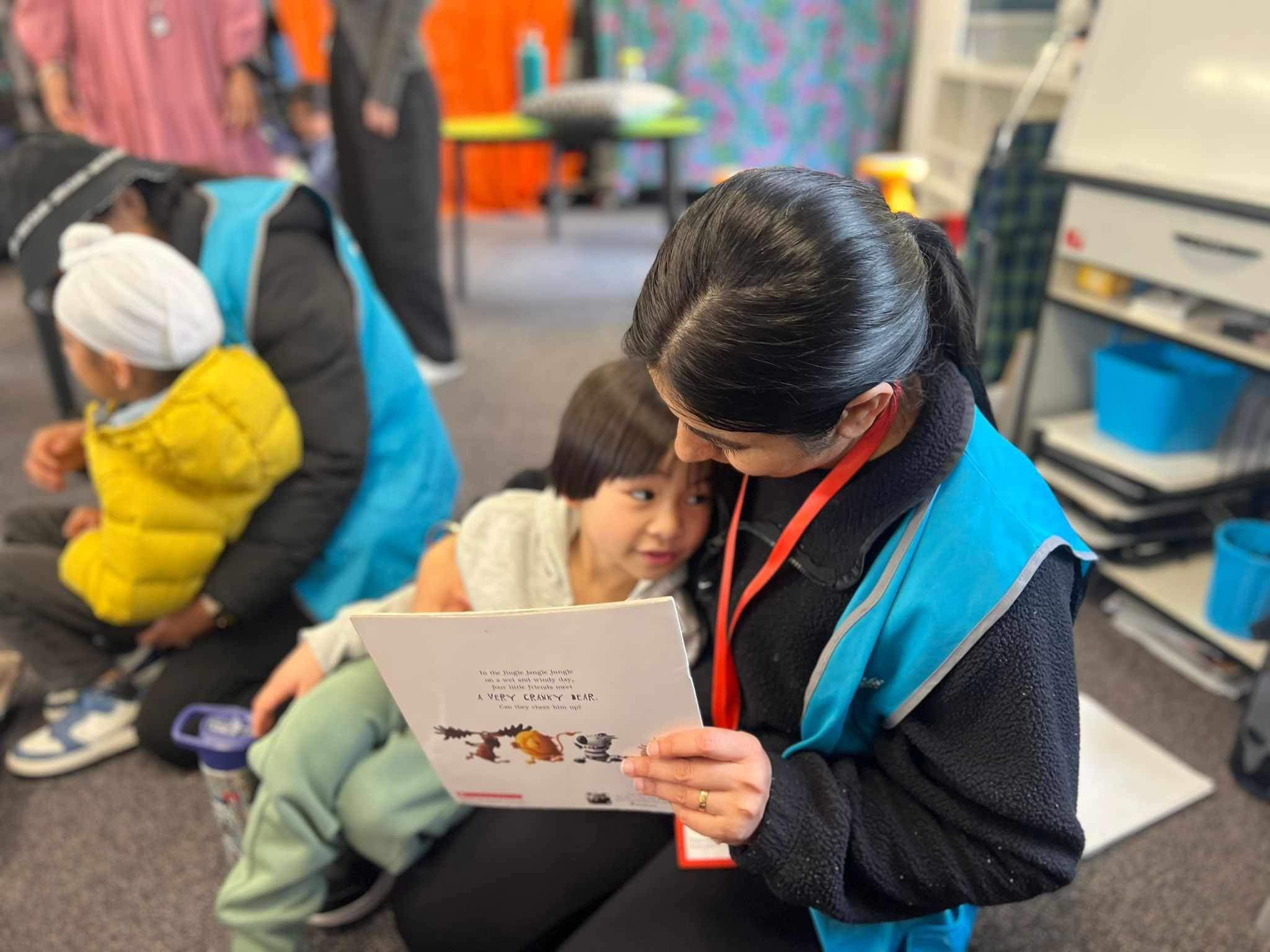
Reading picture books together is one of the best ways to support early spelling and literacy. As children hear stories, look at words, and talk about pictures, they become more familiar with language and print.
Singing rhymes and songs also helps children hear sounds and patterns in words. Rhyming words, repeated phrases and calm reading support sound awareness in a relaxed way.
Parents can also point out letters in a child’s name, notice familiar words on signs or food packaging, and talk about beginning sounds during daily routines. For example, while setting the table, a parent might say, “Cup starts with the /c/ sound.”
Drawing, scribbling, and early writing attempts should also be encouraged. Children do not need every letter corrected. Gentle encouragement helps them feel that writing is something they can explore with confidence.
Supporting Early Literacy At Inspira Kids
At Inspira Kids, early literacy is supported through age-appropriate, play-based experiences that help children build confidence with language and communication. Educators understand how children develop at each stage, which is why spelling lessons might look different at each age group: exploring letters, sounds, stories, songs, familiar words, and early writing in a safe, nurturing, and engaging environment.
Through playful alphabet and spelling activities, children can develop early spelling skills at their own pace. These small steps support reading, writing, school readiness, and confidence with language over time. Learn more about how the love for lifelong learning is built at Inspira Kids via our childcare tour!