
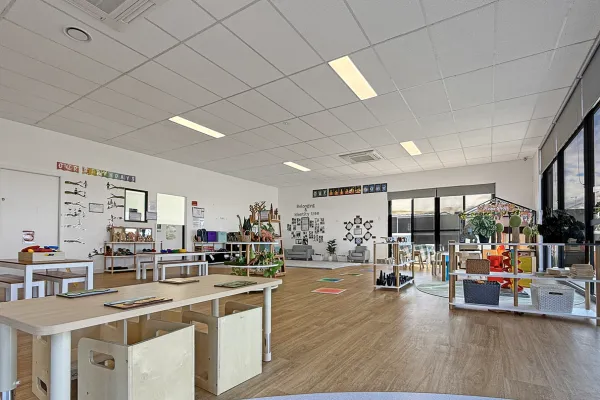
Lighting In The Classroom: How The Bright Environment Supports Focus And Comfort
When people think about a quality learning environment, they often focus on curriculum, activities, and educator support. But practical design details, although play an important role, often get underestimated. Lighting, for example, can shape how a classroom feels, and how different lighting options affect overall performance in different areas.
Well-designed lighting helps children move between activities more comfortably, use materials more easily, and feel calmer in different parts of the room. In this article, find out how lighting helps in early childhood settings, and how to set up different lighting for different learning zones.
Lighting In The Classroom: How The Bright Environment Supports Focus And Comfort
Why Lighting Matters In Learning Environments
How Balanced Lighting Supports Visual Comfort And Learning
Natural Light Helps Children Feel Comfortable And Connected
Glare Control: Undermining Matters That People Overlook
Flicker Prevention Supports Comfort And Usability
Colour Rendering Helps Children See Materials Clearly
How Different Classroom Areas May Need Different Lighting
Tips For Adjusting Lighting In Important Classroom Areas
How Inspira Kids Supports Comfortable And Engaging Learning Environments
Why Lighting Matters In Learning Environments
Early childhood guidance in Australia also makes it clear that indoor spaces should have adequate natural light as part of supporting children’s safety and wellbeing. Lighting can influence children’s energy levels and behaviour because light helps regulate the body’s biological clock, also known as the circadian rhythm.
Research suggests that brighter lighting is more likely to support social-emotional, cognitive, and physical health outcomes, while softer and dimmer lighting can help signal relaxation and calmer behaviour. For this reason, early learning environments often use brighter spaces for active learning activities and softer lighting in quiet areas designed for rest, reading, or emotional regulation.
A well-lit classroom helps children see materials more easily, move around, and stay more comfortable during focused activities. Good lighting design is not only about brightness. It also includes glare control, balanced light levels, visual comfort, and how natural and artificial light work together.
How Balanced Lighting Supports Visual Comfort And Learning
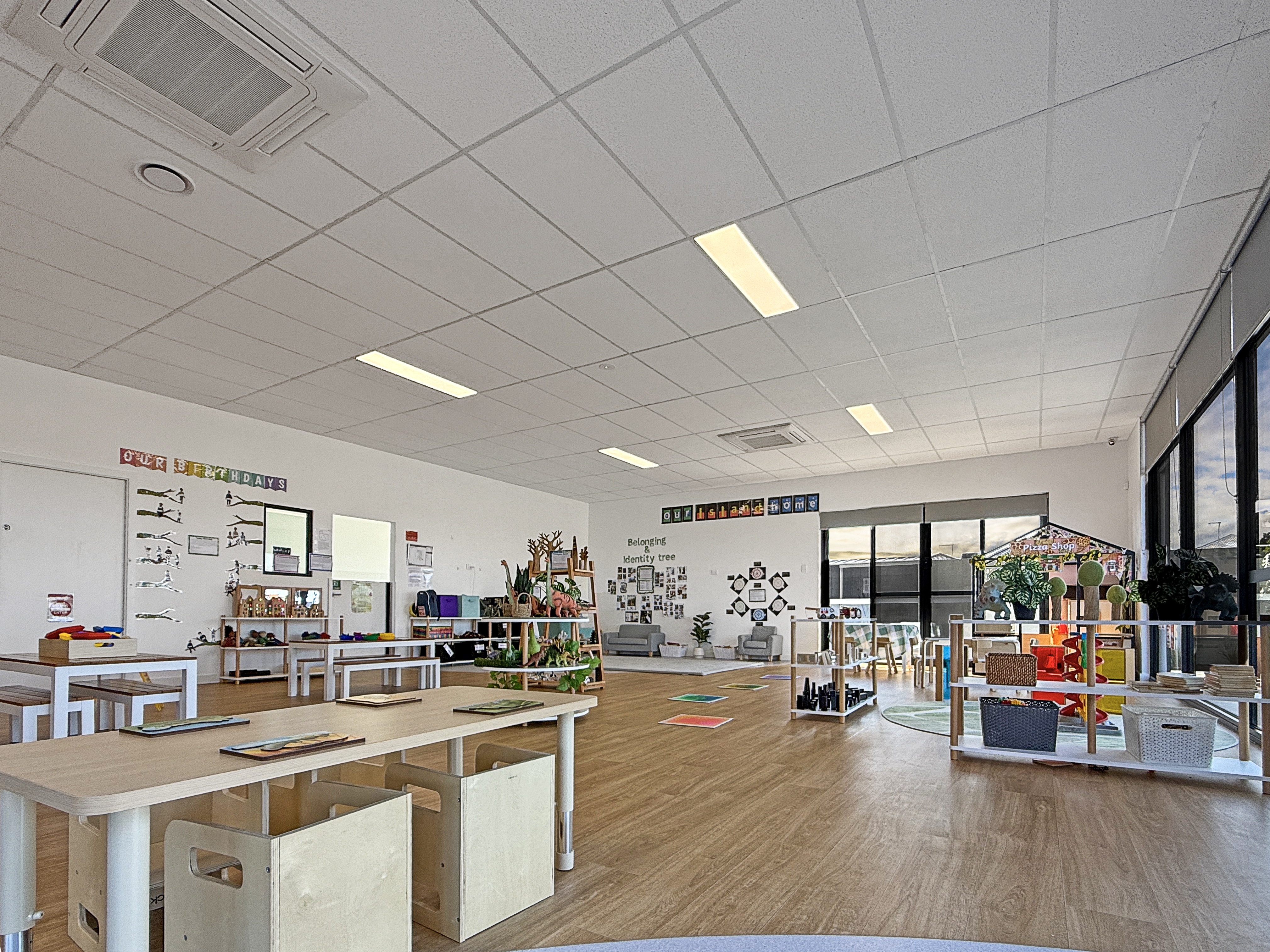
A well-designed learning environment requires lighting that supports both visual performance and environmental comfort. Children need sufficient illumination to engage in activities such as reading, drawing, puzzles, and fine motor tasks without experiencing glare, excessive brightness, or visual fatigue.
For many learning tasks, a moderate, well-balanced light level works best. Guidance used in education-related lighting design commonly points to classroom and task areas being supported by lighting in the broad range of around 300 to 500 lux, depending on the type of activity and the level of visual detail required; while more detailed tasks, especially those involving colour judgement, may need lighting closer to the upper end of that range.
This is helpful because it reminds us that good classroom lighting is not about making every part of the room equally bright. It is about giving each area enough light for the task while still keeping the overall environment comfortable.
Natural Light Helps Children Feel Comfortable And Connected
In early learning settings, natural light can help create environments that feel more open, comfortable, and visually balanced for children throughout the day. It may also reduce reliance on artificial lighting while supporting a calmer and more welcoming atmosphere.
At the same time, natural light still needs to be managed well. Too much direct sunlight can create glare on tables, screens, books, whiteboards, or laminated materials, which can make it harder for children to focus comfortably.
Glare Control: Undermining Matters That People Overlook
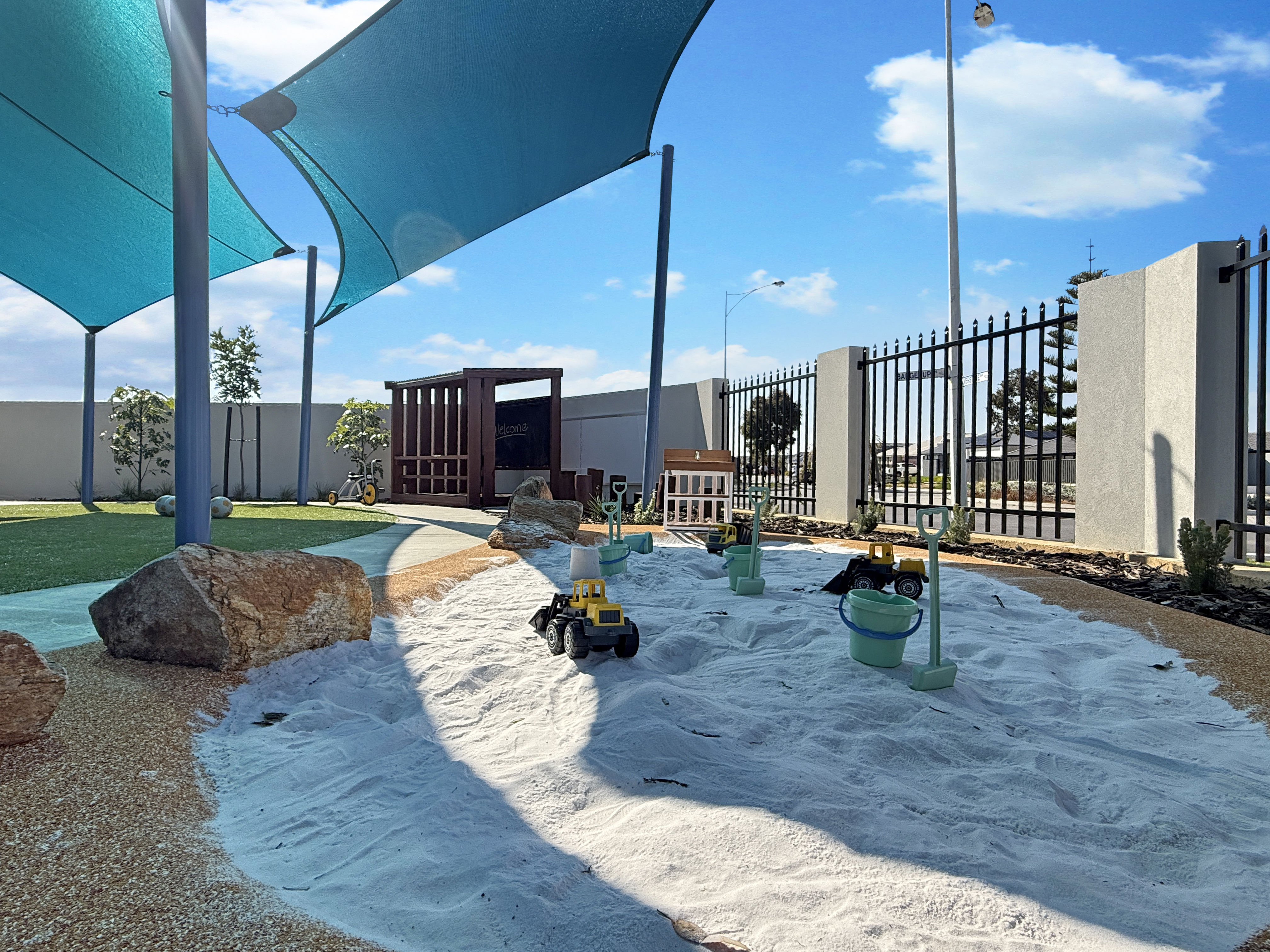
A classroom can have plenty of light and still feel uncomfortable if glare is not managed properly. Bright reflections on screens, whiteboards, glossy paper, or shiny surfaces can make children squint, move away from tasks, or lose visual focus. Especially when children are easily distracted, light control plays an important role in enhancing concentration in an adequate period.
Good lighting design reduces bright reflections and avoids placing strong light directly in children’s line of sight. This can help prevent visual strain and make reading, writing, drawing, and close-up play more comfortable. Lighting guidance consistently treats glare and reflections as important design issues which have been addressed with multiple solutions to improve learning lighting.
Flicker Prevention Supports Comfort And Usability
Lighting quality is not only about what we can easily see. Poor-quality artificial lighting can sometimes flicker in ways that are not always obvious, but still affect comfort.
Flicker can contribute to eye strain, headaches, distraction, or discomfort. Normally, broken lighting happens and it doesn’t cause significant effects, but sometimes it may be especially problematic for people who are more sensitive to visual stress. Using high-quality LED lighting and properly designed fittings can help reduce this risk and create a more stable visual environment. Concerns about glare, flicker, and poorer-quality LED lighting are recognised in broader government lighting guidance and consultation materials.
In classroom settings, this matters because children are often switching between looking at people, books, displays, paper, and activity materials throughout the day. Stable lighting helps those transitions feel smoother and less tiring.
Colour Rendering Helps Children See Materials Clearly
Colour rendering refers to how accurately a light source shows the true colours of objects. In learning environments, this matters more than many people expect.
Children are exposed to colours everyday. They sort colour, paint, match resources, look at picture books, and engage in art, science, and sensory activities where visual clarity matters. Better colour rendering helps these materials look more accurate and easier to interpret. Technical lighting guidance commonly treats strong colour rendering as important where visual clarity and colour recognition matter.
This does not mean every classroom needs specialised lighting. It simply means the quality of light matters.

How Different Classroom Areas May Need Different Lighting
One of the most useful ways to think about classroom lighting is by zone. Instead of using the same lighting throughout the centre, different parts of the room don’t always need exactly the same brightness or feel. By curating light to biological clocks, children are more likely to stay engaged and easier to participate in designed activities.
Reading Corners
Reading corners usually work best with softer but still clear lighting. Children need enough brightness to see pages comfortably, but the space should still feel calm and settled. Natural light can work well here if glare is controlled and children are not looking directly into bright windows.
Activity Zones
Activity tables, art areas, and hands-on learning zones usually need brighter, more even lighting so children can see materials, tools, and colours clearly. This is where balanced brightness and reduced shadows can make tasks feel easier and more inviting.
Rest Areas
Rest spaces often benefit from softer and lower-stimulation lighting that helps children feel calmer and more settled throughout the day. Research on learning environments suggests that natural daylight could also influence comfort, attention, mood, and overall being, which means resting spaces can include windows to bring natural lights into the room, with curtains to alleviate intensity.
Transition Times
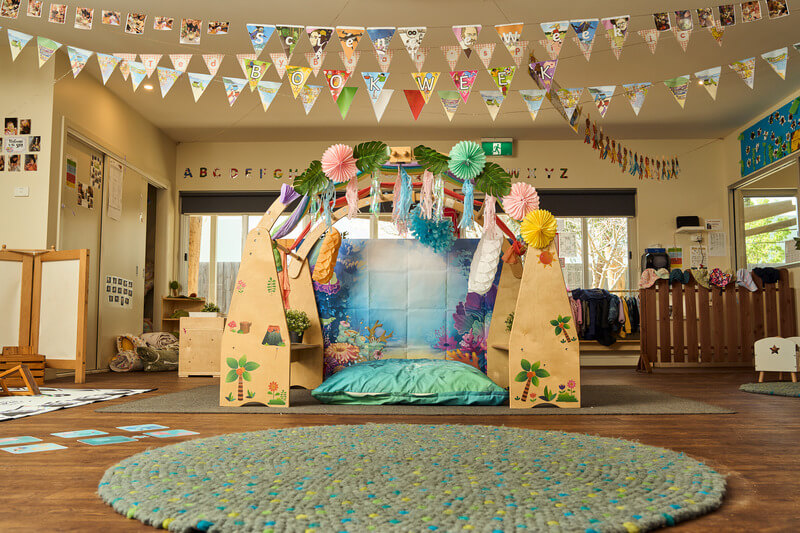
Lighting can also support transitions through the day. A slightly calmer light level in quieter parts of the room can help children shift into reading, rest, or wind-down routines. Brighter, clearer lighting can help during active group times, setup, and movement between learning experiences.
Explore more about Stimulating Learning Environment
Tips For Adjusting Lighting In Important Classroom Areas
Thoughtful lighting does not always mean a full redesign. Sometimes small adjustments can improve comfort and usability.
Some useful tips to alter the light in different areas:
Position reading spaces where children get good light without strong glare
Reduce reflections on tables, paper, and whiteboards
Use blinds or curtains to soften harsh direct sunlight, especially in the rest areas
Avoid overly bright fittings directly above close-up task areas
Make sure activity zones are bright enough for drawing, puzzles, art, and hands-on learning
Keep rest spaces calm without making them too dark for safe supervision
Check whether any lights seem harsh, flickery, or visually tiring over time
These adjustments can make the room feel more balanced and help children move through the day more comfortably.
How Inspira Kids Supports Comfortable And Engaging Learning Environments
Lighting is an important part of the learning environment because it can influence how comfortable, focused, and emotionally settled children feel throughout the day. In early childhood settings, well-balanced lighting helps support visual comfort, concentration, mood regulation, and participation in everyday learning experiences.
At Inspira Kids, learning environments are thoughtfully designed to support children’s wellbeing, engagement, and overall development. Calm, comfortable, and child-friendly spaces are considered part of the everyday learning experience, helping children feel more confident, supported, and ready to participate throughout the day.
Explore how Inspira Kids creates thoughtful early learning environments that support children’s confidence, wellbeing, and everyday learning experiences.