

Stimulating Learning Environment: What Helps Young Children Feel Curious, Safe, And Ready To Learn
Parents often mistake a stimulating learning environment in early childhood as a room with noise, colour, or constant activity. To their surprise, a strong stimulating environment is one that feels safe, interesting, and matched to their stage of development. Children learn through everyday play and exploration in environments that invite them to participate, notice, move, communicate, and build confidence over time.
This article explains how a stimulating learning environment supports children’s focus, confidence, and early development. Parents will also learn how calm, well-designed spaces encourage better learning, emotional regulation, and everyday participation.
Stimulating Learning Environment: What Helps Young Children Feel Curious, Safe, And Ready To Learn
What A Stimulating Learning Environment Means In Early Childhood
What Makes An Environment Stimulating Rather Than Overstimulating
Learning Spaces, Materials And Activities That Support Exploration
Rotate Toys And Books To Keep Interest Fresh
Add Sensory Bins For Tactile Exploration
Incorporate Natural Elements Into The Space
Create Cozy Nooks For Quiet Reading And Rest
How A Stimulating Learning Environment Supports Focus, Confidence And Exploration
How Inspira Kids Creates A Stimulating Learning Environment For Early Learning
What A Stimulating Learning Environment Means In Early Childhood
In early childhood, a stimulating learning environment is one that supports children’s curiosity, participation, and development through thoughtful, age-appropriate experiences. It places children at the centre by inviting them to explore, make choices, follow interests, and engage with materials and people in reasonable ways.
What Makes An Environment Stimulating Rather Than Overstimulating
Often, a stimulating environment is not the same as an overstimulating one. An overstimulating environment can be described as constant activities or too many choices at once that distract children from concentrating on one task. According to a report about multisensory learning environments, children can be distracted from receiving too much information externally, resulting in a lack of concentration while engaging in-class activities.
On the other hand, stimulating environments are described as vibrant and flexible, with enough challenge to support learning while still allowing children to participate at a level they feel comfortable with. It gives children access to interesting materials, quiet areas, active areas, clear routines, and supportive adults who know when to guide and when to step back.
Learning Spaces, Materials And Activities That Support Exploration
A stimulating learning environment usually includes a mix of open-ended materials, sensory experiences, spaces for movement, quieter areas for rest or reading, and routines that help children understand what comes next. High-quality early childhood practice does not separate the environment from teaching. It treats the environment as part of the learning experience itself.
Children also benefit when the environment reflects their developmental stage and supports different ways of learning. Some children learn best through movement. Others stay engaged longer with sensory play, books, construction, or imaginative activities. A well-designed space makes room for these different kinds of participation.
Rotate Toys And Books To Keep Interest Fresh
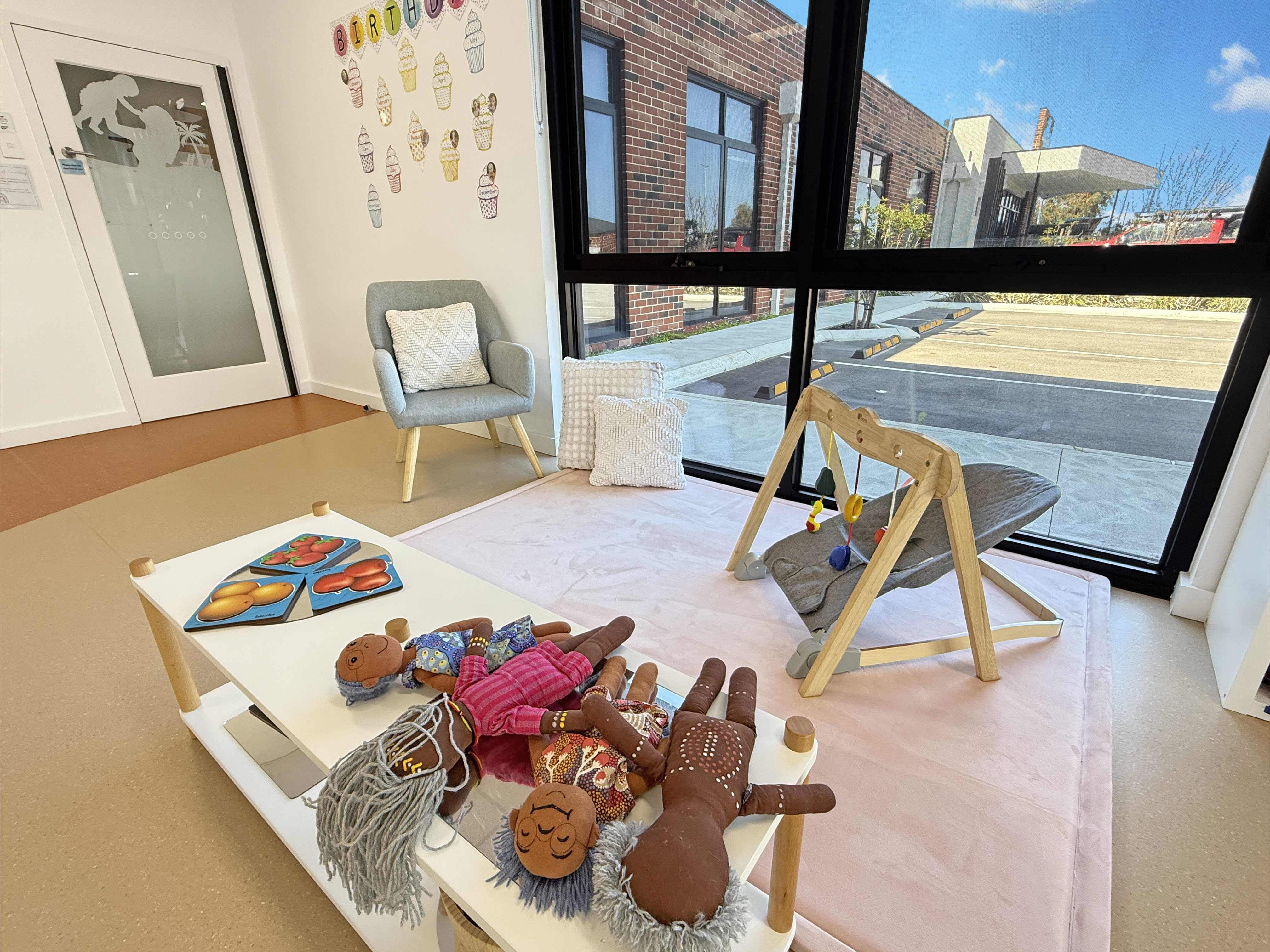
One simple way to create a more stimulating environment is to rotate toys and books regularly. Often, they benefit more when familiar materials are reintroduced in a fresh way or when the number of available items is reduced so they can focus more.
Rotating resources weekly or regularly can renew interest , as well as giving educators and families a chance to respond to what children are currently drawn to. When fewer resources are available at one time, children may engage more purposefully and creatively with what is there.
Add Sensory Bins For Tactile Exploration
Sensory bins filled with sand, water, rice, or other age-appropriate materials can be a useful part of a stimulating learning environment. They invite children to scoop, pour, sort, compare, and describe what they notice.
They can also help children who learn best through touch and movement. Because sensory experiences are open-ended, they allow children to explore at their own pace while still building concentration, coordination, and curiosity.
Incorporate Natural Elements Into The Space
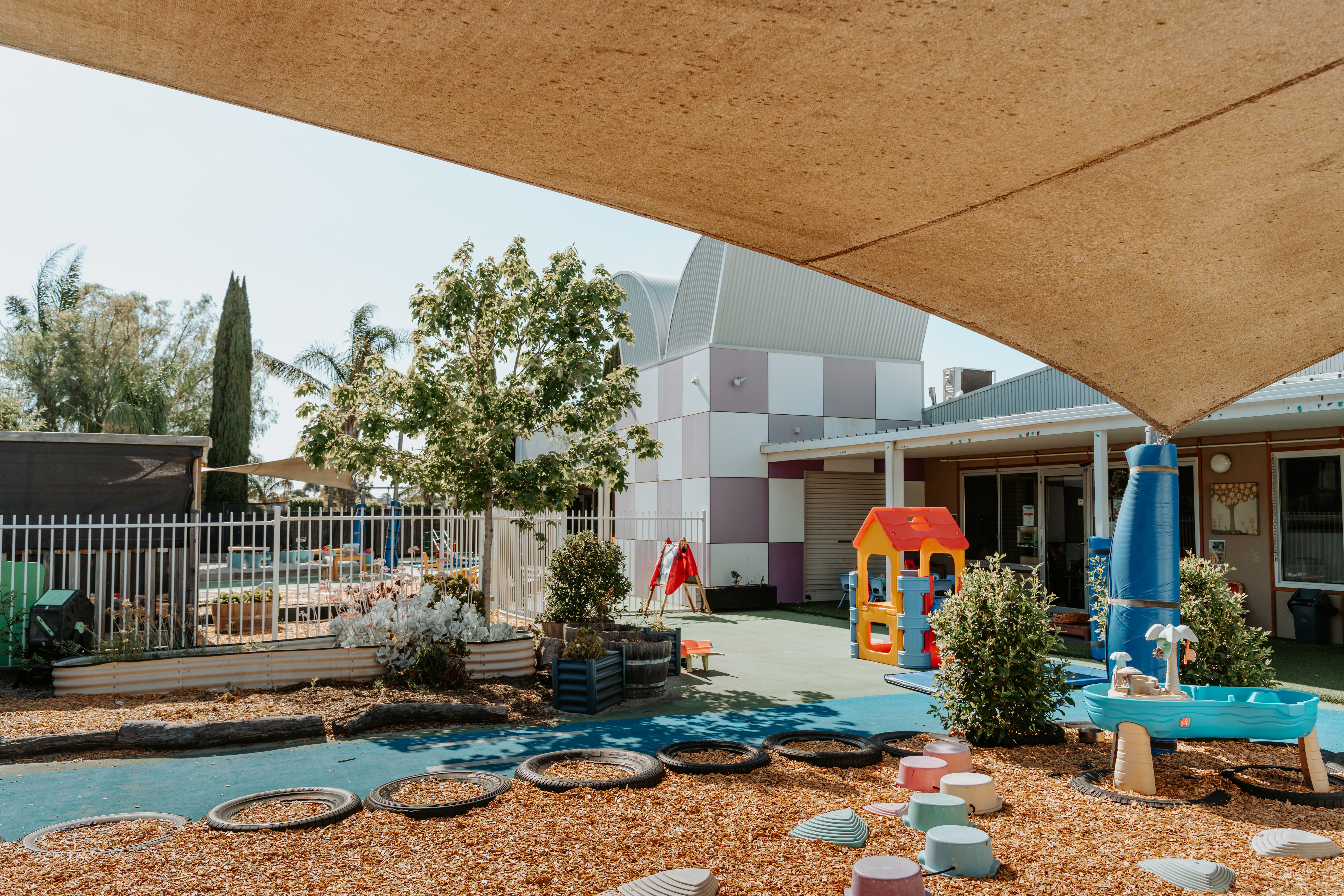
Natural elements such as indoor plants, stones, shells, branches, mud, sand, and water can help make a learning environment feel richer and more connected to the world beyond the classroom. Environments that include nature often invite open-ended interaction, exploration, and discovery, while also supporting children’s environmental awareness and sense of connection to place.
For young children, natural materials can also create different kinds of sensory and imaginative experiences from plastic or highly structured toys. They encourage closer observation, different kinds of language, and more flexible play.
Discover: How The Bright Environment Supports Focus And Comfort?
Create Cozy Nooks For Quiet Reading And Rest
Not all stimulation needs to come from active play. Children also need quieter spaces where they can slow down, read, rest, or spend time in a smaller and calmer setting. Cozy nooks with soft pillows, rugs, books, and gentle lighting can help children regulate themselves and re-engage when they are ready.
These quieter zones are especially valuable because a stimulating environment should also promote concentration when performing tasks, eliminating external distractions that might affect children when they try to learn or think.. Thoughtful spaces like these act as stop signs, signaling children to pay more attention in these secluded areas.
How A Stimulating Learning Environment Supports Focus, Confidence And Exploration
Research on learning environments suggests that well-designed spaces can support children’s ability to be creative, beside the active participation in learning. Studies found that stimulating environments encouraged greater engagement, creativity, collaboration, and active involvement compared with more traditional settings.
For young children, this can look like exploring materials for longer periods, communicating ideas more confidently, and participating more actively during play and group activities. Environments that combine sensory experiences, open-ended materials, movement, and calm spaces can also help children stay focused without becoming overwhelmed. This balance supports both exploration and emotional regulation in everyday learning.
How Inspira Kids Creates A Stimulating Learning Environment For Early Learning
At Inspira Kids, stimulating learning environments are carefully designed to support children’s emotional, social, and cognitive development through purposeful play and hands-on learning. Children are encouraged to explore, communicate, problem-solve, and build confidence through sensory experiences, open-ended materials, movement-based play, and calm learning spaces that support focus and curiosity.
Rather than creating overwhelming environments, Inspira Kids focuses on balanced learning spaces that help children feel safe, engaged, and ready to learn. Thoughtful routines, guided interactions, and age-appropriate experiences work together to support attention, exploration, emotional regulation, and everyday participation in early learning.
If you would like to see how a stimulating learning environment supports children’s development in practice, you can explore at one of the Inspira Kids centers and experience the learning environment firsthand.
FAQ:
How A Carefully Designed Environment Supports Early Learning?
A specially-designed learning environment helps children improve their attention to lesson, leading to higher grades performance. Calm, well-organised spaces with sensory experiences, open-ended materials, and predictable routines can support children’s emotional, social, and cognitive development in early childhood.
How do I know if my child is overstimulated at home or in childcare?
Children who are overstimulated may seem unusually irritable, distracted, overwhelmed, tired, or unable to focus on play or routines. Busy, noisy, or visually crowded environments can sometimes make it harder for children to regulate their emotions and attention.
Can reducing clutter help children focus better?
Yes. When fewer toys and materials are available at one time, children are often better able to focus and be creative in different activities for longer periods.