Winter Art And Sensory Activities For Toddlers in the Winter Time!
Winter can make outdoor play shorter or more dependent on the weather. During cooler months, toddlers still need active, hands-on ways to explore, move, notice, and use their senses.
Winter art and sensory activities can help create calm indoor learning moments. With simple materials, toddlers can explore texture, temperature, colour, movement, and cause-and-effect in ways that feel safe and age-appropriate.
What Toddlers Can Explore Through Winter Sensory Play
Winter sensory play can be planned around simple sensory concepts. This helps adults understand what children are learning while still keeping the activity open-ended.
Toddlers can explore texture through soft cotton wool, smooth fabric, crinkly paper, or fluffy materials.
They can explore temperature through safe ice play or warm and cool objects.
They can notice colour through blue, white, silver, and winter-themed materials.
They can explore movement by scooping, pouring, sliding, pressing, and transferring items.
They can also begin noticing cause and effect, such as ice melting, colours mixing, or materials changing shape when pressed. These are simple scientific phenomena, but they support early thinking, language, and attention.
3 Simple And Safe Setups for Toddler Activities
The following setups are designed for supervised toddler play. They use simple materials and focus on exploration, developing fine motor skills while simultaneously develop other coordinating skills.
Cotton Wool Snow Collage
Cotton wool snow collage is a texture-based setup that lets toddlers explore softness, pressure, and how small cotton wool pieces can be placed onto paper to create a snowy picture.
To organise it, provide blue paper, cotton wool, child-safe glue, and simple winter shapes such as clouds, trees, snowmen, or snowflakes. Children can pull apart the cotton wool, press it onto the glue, and arrange it across the page.
To make the activity more engaging, educators can turn it into a simple sensory language moment. Offer only a few materials at a time and use words such as soft, fluffy, white, sticky, press, and pull as toddlers touch, place, and press the cotton wool onto the paper.
Ice Painting
Ice painting is a sensory setup that helps toddlers explore temperature, melting, movement, and colour change.
To prepare it, freeze water mixed with child-safe paint or food colouring in an ice tray. Children can then move the coloured ice cubes across thick paper or a tray and watch what happens as the ice melts.
Adults can describe what children notice with words like cold, wet, melting, slide, mix, blue, and red. This helps toddlers connect language with direct sensory experience.
This setup supports early cause-and-effect thinking. Children can see that the ice changes over time and that their movements create marks on the paper.
Winter Sensory Bin
A winter sensory bin is a tray or container filled with safe materials that toddlers can explore with their hands and simple tools. For a winter theme, this might include cotton wool, white pom-poms, fabric scraps, scoops, cups, and child-safe tongs.
Toddlers can scoop the materials into cups, transfer them from one side of the bin to another, sort items by size or texture, and touch each material to notice how it feels. This gives children a calm, hands-on way to explore winter-themed textures while practising fine motor control and early problem-solving.
To create it, use a shallow tray with safe winter-themed materials such as cotton balls, blue fabric, large pom-poms, scoops, cups, and textured items. Children can move materials between containers, sort by texture or colour, or simply explore what each item feels like.
Adults should keep the setup simple and supervise closely. This activity can also introduce simple early maths ideas. Educators can invite toddlers to compare big and small items, count how many pom-poms are in a cup, notice which container is full or empty, or sort materials by size, colour, or texture.
This setup supports sensory awareness, hand coordination, concentration, and early language. It also allows toddlers to repeat actions, which is an important part of how they learn.
Explore more about Five Ideas for A Quick Collage Art Creative Activity
How Adults Can Support Language During Sensory Play
Adults can make sensory play more useful by adding simple language. Toddlers do not need long explanations. Short comments connected to what they are doing work best.
For example, an adult might say, “The ice is cold,” “You are scooping,” or “This cotton wool feels soft.” These phrases help children connect words with actions and changes they can see or feel. To help children form conversation, educators can try to ask open questions and let children answer them in their simple, broken languages. The point is to let children have space to practice expressing their ideas.
It is also helpful to pause and give children time to respond. Some toddlers may repeat a word. Others may point, make sounds, smile, or continue the action. These are all part of early communication.
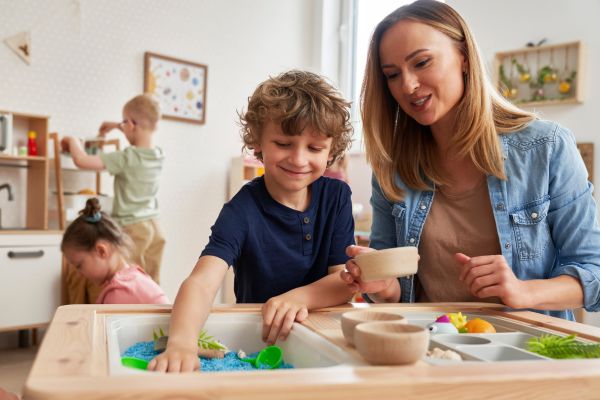
How Can Indoor Winter Play Stay Calm And Manageable?
Winter sensory play works best when the setup is simple. Too many materials at once can overwhelm toddlers or make it harder for them to focus.
A small tray, a few safe materials, and close adult supervision are often enough. To create a warmer and more comfortable winter play experience, adults can prioritise soft materials such as wool, velvet, thick fabric, felt, or cosy fabric scraps. These textures help toddlers explore the idea of winter in a comfortable and hands-on way while making the activity feel calm and inviting.
Educators and parents can also use toys or materials already available at home or in the classroom, such as blocks, animal figures, fabric pieces, cups, spoons, or recycled containers. This keeps the activity simple and reduces the need to buy extra materials that may only be used once.
It is also helpful to allow repetition. If a toddler wants to scoop the same material again and again, or move the same ice cube across the paper several times, that repetition is part of the learning process.
Supporting Body And Mind Through Seasonal Sensory Play With Inspira Kids
Winter art and sensory activities can support toddlers in ways that seasonal craft projects do not. In Australia, winter play often looks different from snowy winter scenes overseas, so these activities can use simple materials such as cotton wool, cool colours, natural textures, water play, and cosy indoor setups to help children familiarly explore the season.
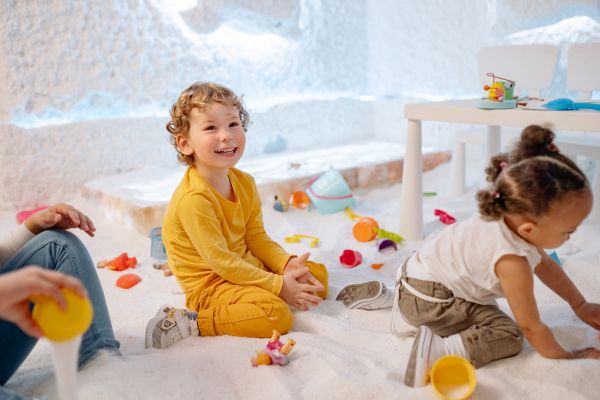
Instead of focusing on a keepsake or final product, winter art invites children to explore materials, notice changes, and build control through repeated actions. At Inspira Kids, seasonal play is planned in practical, age-appropriate ways so children can stay engaged through calm, hands-on exploration. During colder months, indoor sensory experiences can help toddlers build confidence, curiosity, and focus while learning through their senses. Book a tour with Inspira Kids and see how natural materials can be woven into creative artworks.