
Our Insights
Understanding Your Child Better
Our Insights
Understanding Your Child Better
Our Blog
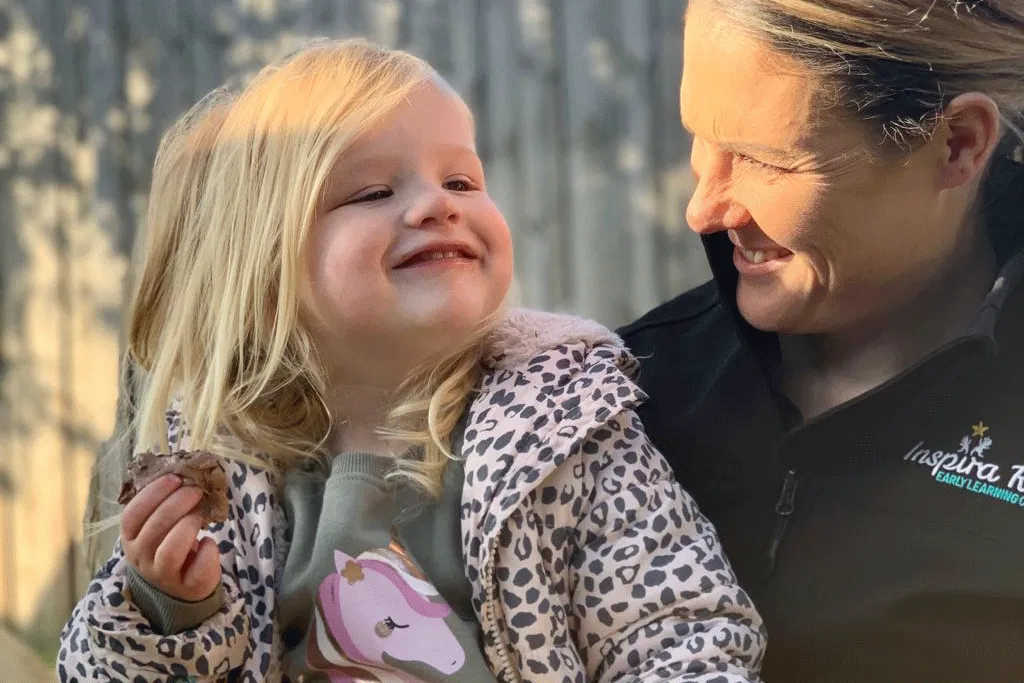
Understanding 11 Childcare Safety Standards for Your Child
Childcare safety standards are a set of principles and practices designed to protect children from harm while supporting their well-being, development, and rights. These standards guide how childcare providers create safe environments, train staff, involve families, and respond to risks or concerns. They are important because young children tend to rely on adults to create spaces where they feel secure, respected, and heard. Strong safety standards help prevent abuse, reduce risks, and build trust between families and childcare centres.
This guideline will explore 11 essential childcare safety standards as outlined by the Commission for Children and Young People that every parent should understand when choosing the right childcare centre for their child.
Standard 1: Cultural Safety
Cultural safety ensures childcare environments respect and value every child’s cultural identity, with particular attention to Aboriginal children and families. This standard promotes children’s rights to express their identies freely while feeling accepted and protected. Childcare centres embed inclusive practices that recognise the strengths of Aboriginal cultures and their importance to children’s wellbeing.
Educators are expected to proactively identify racism and respond appropriately if it occurs. By supporting meaningful participation from Aboriginal children and families, childcare services create environments where cultural identity is celebrated, not overlooked, contributing to emotional safety and a strong sense of belonging.
Standard 2: Leadership & Governance
Effective leadership and governance place child safety at the centre of a childcare organisation’s values and operations. This standard ensures leaders publicly commit to protecting children and model child-safe behaviours across all levels of the organisation. Clear governance structures support consistent implementation of safety policies, codes of conduct, and risk management practices.
Staff and volunteers understand their responsibilities, including information sharing and record keeping. When leadership actively promotes a child-safe culture, safety becomes part of everyday decision-making rather than a standalone requirement.
Standard 3: Child Empowerment
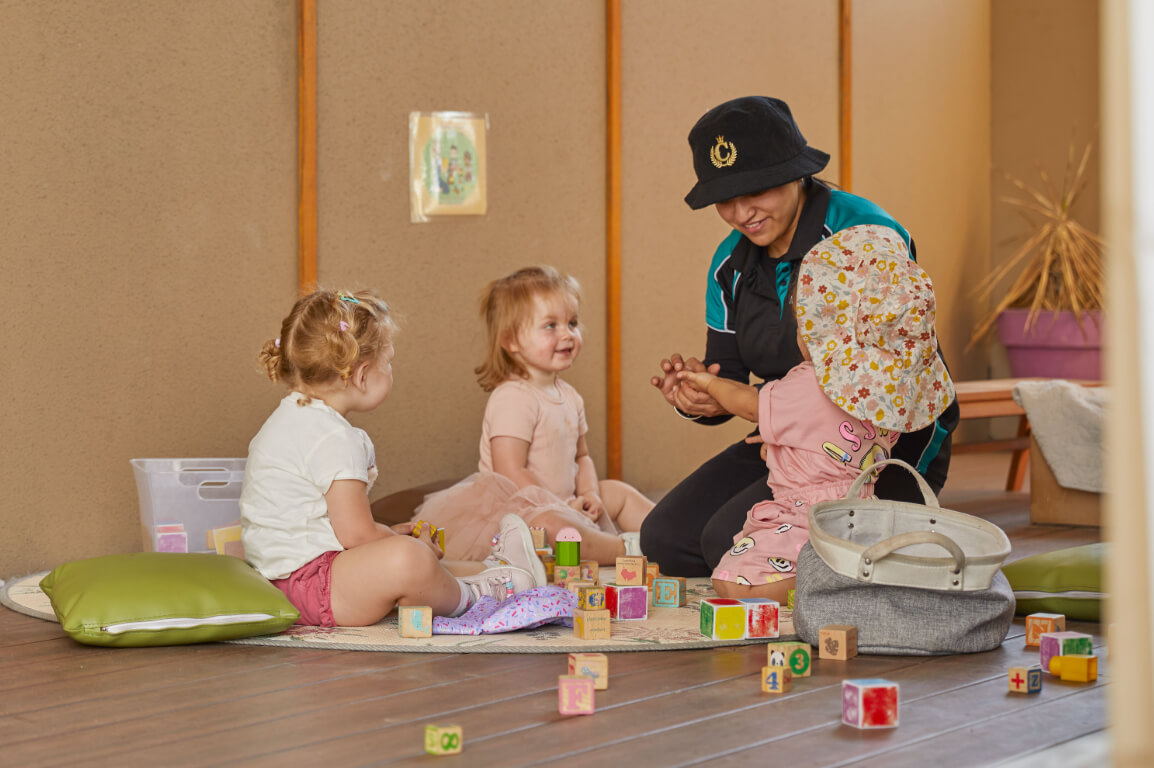
Child empowerment focuses on helping children understand their rights and feel confident to speak up when something feels wrong. Childcare centres support this by providing age-appropriate information about safety, participation, and respectful relationships. Addtionally, being provided with opportunities to construct the learning environment also help children gain autonomy at a young age.
Educators encourage positive peer connections and recognise the role friendships play in reducing isolation. Staff are trained to notice signs of distress and offer child-friendly ways for children to share concerns. When children are genuinely listened to and involved in decisions, they develop confidence, trust, and a stronger sense of personal safety.
Standard 4: Family & Community Engagement
Strong partnerships with families and communities are essential to maintaining child safety. This standard ensures families are informed, consulted, and involved in decisions that affect their child’s care. Childcare providers communicate openly about safety approaches, policies, and daily practices.
Families and community members are encouraged to contribute feedback and participate in policy development and reviews. By working collaboratively, childcare centres create consistent support systems that reinforce safety both inside and outside the learning environment.
Standard 5: Equity & Inclusion
Equity and inclusion ensure every child receives fair support, particularly those who may be more vulnerable. Childcare centres recognise diverse backgrounds, abilities, and circumstances, adapting their practices to meet individual needs. Information, support, and complaint processes are made accessible and culturally appropriate.
Special consideration is given to children with disabilities, children from culturally and linguistically diverse backgrounds, Aboriginal children, and those facing additional challenges. Inclusive environments help ensure no child is overlooked and that safety measures protect all children equally.
Standard 6: Safe & Suitable Staff
This standard ensures that only appropriate, well-prepared adults work with children. Childcare services prioritise child safety throughout recruitment, including background checks, referee screening, and clear role expectations. All educators and volunteers complete thorough inductions and understand their legal and ethical responsibilities. Ongoing supervision and professional support help maintain high standards of behaviour and accountability. When staff are carefully selected and continuously supported, children benefit from consistent, trustworthy care.
Standard 7: Child-Focused Complaints
Clear and accessible complaint processes help children and families feel safe to raise concerns. Childcare centres establish simple, child-friendly systems that explain how complaints are handled and who is responsible for responding. These processes are designed to be culturally safe and easy to understand.
All concerns are taken seriously and addressed promptly to prevent further risk. A transparent approach to complaints strengthens trust and shows that children’s voices genuinely matter.
Standard 8: Training & Awareness
Ongoing training ensures staff remain informed about child safety risks and best practices. Educators receive regular education on recognising signs of harm, responding appropriately, and supporting colleagues when concerns arise. Training helps staff confidently implement child safety policies in everyday interactions. By keeping knowledge current, childcare centres reduce the risk of harm and ensure consistent, informed responses to safety issues.
Standard 9: Safe Environments
Safe environments protect children both physically and online. Childcare centres assess and manage risks related to facilities, activities, and digital platforms while still supporting children’s learning and social development. Online interactions follow clear codes of conduct, and physical spaces are designed to minimise hazards.
Risk management plans consider how settings and routines may impact safety. Thoughtfully designed environments help children explore, learn, and connect safely.
Standard 10: Continuous Improvement
Child safety is not static - it requires regular review and improvement. This standard encourages childcare providers to evaluate their safety practices, learn from incidents, and make informed changes. Feedback from families, staff, and children contributes to identifying gaps or risks. Findings are shared transparently to support accountability. Continuous improvement ensures safety practices remain effective, relevant, and responsive to changing needs.
Standard 11: Clear Policies & Procedures
Clear policies explain how childcare services protect children in practice. These documents cover all safety standards and are written in plain, accessible language. Best-practice models and stakeholder input guide policy development. Leaders actively promote and follow these procedures, reinforcing their importance. Well-documented policies help staff act consistently and give families confidence in how safety is managed.
Tips for Parents to Evaluate Childcare Safety
Choosing the right childcare goes beyond modern facilities or learning programs - it requires confidence that your child will be safe, supported, and respected every day. Parents can evaluate a centre’s commitment to child safety by looking closely at its policies, staff practices, and communication with families.
Observing how safety is embedded into daily routines can provide valuable insight into the quality of care your child will receive.
Ask about staff screening, ongoing training, and supervision processes
Review child safety policies and complaint-handling procedures
Observe educator interactions for warmth, respect, and attentiveness
Check how families are included in decisions and communication
Notice how the centre supports diversity, equity, and inclusion
How Does Inspira Kids Comply with Safety Standards?
Inspira Kids demonstrates a strong commitment to childcare safety by embedding child wellbeing into everyday practices. The centre prioritises safe recruitment, ongoing staff training, and inclusive learning environments that respect each child’s background and needs. Clear policies guide educators in maintaining safe physical and emotional spaces while supporting children’s confidence and independence.
Families are encouraged to stay involved through open communication and transparent processes, reinforcing trust and collaboration. By regularly reviewing safety practices and promoting a child-centred culture, Inspira Kids aligns closely with recognised childcare safety standards.
Book a tour today to experience a secure, supportive, and nurturing environment where your child’s safety and well-being come first.

>>Explore more: 15 Important Questions to Ask When Touring a Childcare Centre