
Our Insights
Understanding Your Child Better
Our Insights
Understanding Your Child Better
Our Blog

Food in Childcare: How Nutrition Supports Healthy Early Development
Choosing childcare is no longer restricted to just location or convenience. For many families, daily meals are a central concern, as they are the essential part that contributes to children’s development. Parents want to know what their child will eat each day, how meals are prepared, and whether nutrition is approached with care, consistency, and thorough evaluation.
Food in childcare refers to how meals and snacks are planned, prepared, and managed within early learning environments. It plays a vital role in supporting children’s physical growth, brain development, emotional well-being, and daily routines. For children aged one to five, the food quality they experience during these years can shape lifelong eating habits and attitudes.
With this guide, we will explain how food is approached in high-quality childcare settings, why nutrition matters in early development, and what parents can look for when choosing a centre.
What Balanced, Child-Friendly Meals Look Like in Childcare
Food in childcare is not simply about providing meals or snacks. It reflects a broader approach to wellbeing, safety, and learning. According to Australian Safety Guidelines, children should be introduced to a wide range of food, categorised by 5 groups:
Fruit
Vegetables with different colors, legumes and beans
Grain (cereal) foods, including breads, rice, pasta and noodles, mostly wholegrain or high cereal fibre types
Lean meat, fish, poultry and/or alternatives
Milks, yoghurts, cheeses or alternatives — children under 2 years should have full-fat milk, but older children and adolescents should choose mostly reduced-fat varieties.
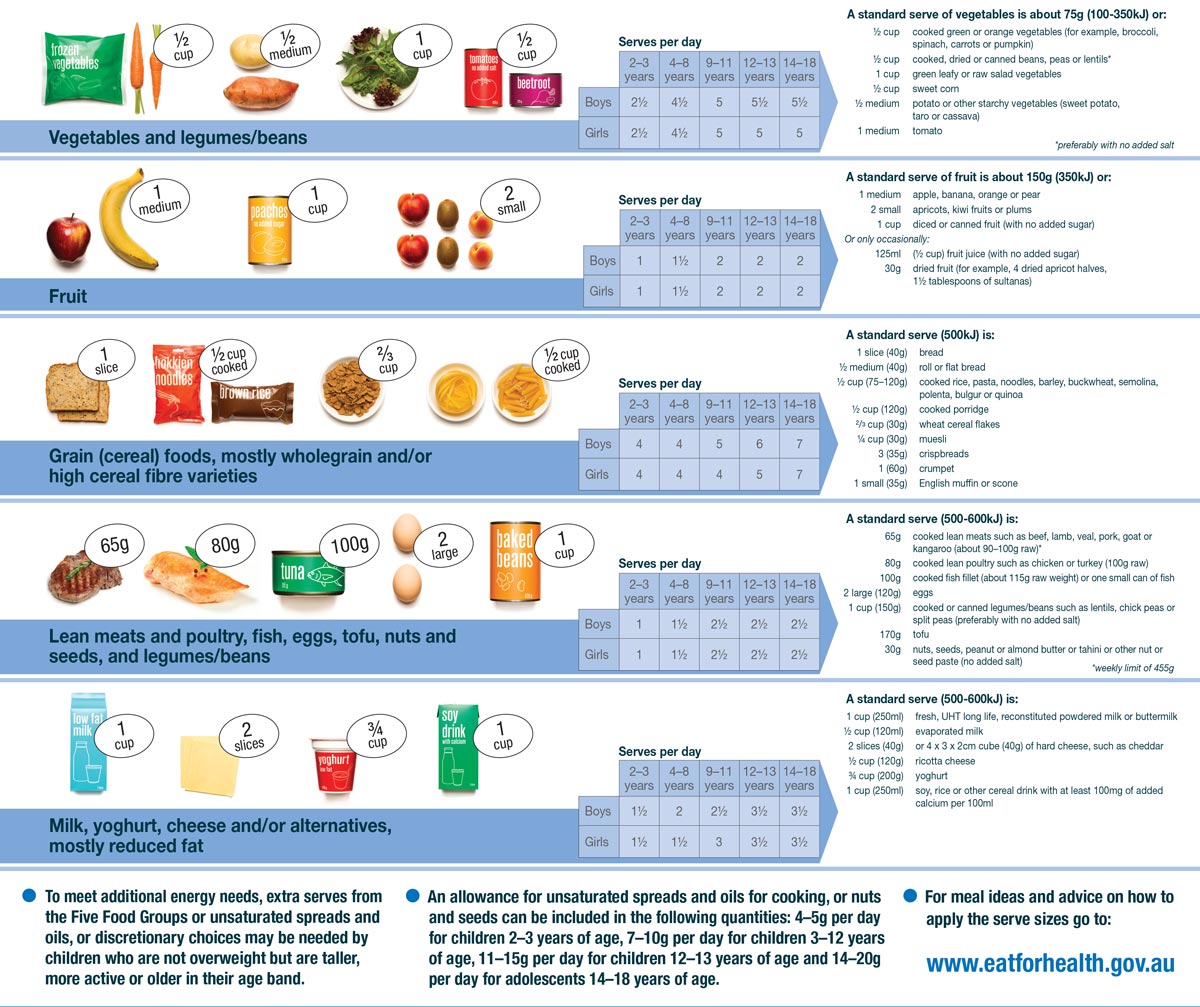
(healthy food intake diagram from Australian Food Safety for Children)
In well managed early learning settings, food programs are designed to:
Support children’s nutritional needs at different stages of development
Provide regular meals and snacks that align with children’s daily energy requirements
Create positive, calm mealtime experiences
Ensure food is prepared and served safely
Rather than being treated as a separate task, food is integrated into the daily care and learning. If children are in nutrient deficient environments, it is likely that they will lack energy for other physical activities, which is also a factor determining their growth and development.
Why Nutrition Matters in Early Childhood Development
Early childhood is a period of rapid growth and development. During the first five years, children develop eating patterns, food preferences, and relationships with food that can last well into adulthood.
Research in child nutrition and development consistently shows that balanced diets during early childhood support:
Physical growth and bone development: Children are usually active in the preschool ages, therefore providing enough multivitamins that support their activities can indirectly lead to reaching milestones such as height and weight goals.
Brain development and cognitive function: nutrients such as iron, zinc and omega 3 fatty acids are essential for optimal brain development.
Emotional regulation and behaviour: A sufficient amount of healthy components can help children behave and examine situations wisely, as now their brains have suitable fuels for proper functioning.
In contrast, a diet in which sugary or processed foods contribute to a large margin can potentially lead to a cognitive decline, making it hard to regulate their emotions or make reasonable judgments.
Foods high in added sugar, salt, or unhealthy fats should be limited and controlled with clear regulations. Menus for children’ meals should also be designed to introduce children to a variety of flavours and textures in a supportive way, without pressure to eat.

How Menus Are Planned And Reviewed
Menu planning in childcare is a structured process that balances nutrition, practicality, and inclusivity. High quality services often plan menus in cycles and review them regularly to ensure:
Nutritional balance across meals and snacks
Variety from week to week, making it fresh and appealing every meal
Suitability for children of different ages as they require different food texture at each stage.
Inclusion of culturally familiar foods, alleviating the sense of apprehension when trying something new.
Many leading childcare providers work with qualified professionals to ensure menus meet recognised nutrition standards. The daily meal not only tastes good but also needs to be appealing with different textures that support their digestive systems.
For example, Inspira Kids partners with The Biting Truth, an independent team of accredited practising dietitians, to support menu planning and nutritional quality across its centres. This type of collaboration helps ensure that food programs are informed by current nutrition evidence and tailored to the needs of young children.
Food Safety, Hygiene, and Environmentally Conscious Practices
Although food variety is good for children’s overall development, it is inevitable that our children will have a small chance of forming allergic reactions towards specific food groups or types. Therefore, food safety is a critical part of any childcare food program. Services are expected to follow strict hygiene and handling procedures to protect children’s health proactively.
In the worst scenarios where childre contact with allergic source, it is important that childcare providers also have a food allergy protocol to tackle the sitution in time.
This includes:
Safe food storage and preparation practices, strictly complying with Food Safety Guidelines.
Regular cleaning of food preparation and eating areas to avoid cross contamination.
Clear procedures for managing allergies and dietary requirements
Other alternatives to support overall growth, replacing allergic components with equivalent nutritious groups.
Many childcare services also consider the environmental impact of their practices. This may include using environmental-friendly cleaning products, reducing food waste, and encouraging sustainable habits as part of everyday routines. A clean, well maintained environment supports both food safety and children’s overall wellbeing.
What Parents Can Look for in a Childcare Food Program
When choosing childcare, parents may find it helpful to look beyond the menu itself. It is crucial for parents to choose and collaborate with childcare centres that pay close attention to for the best possible outcome. Besides looking at the menus, parents can also take a look at other factors for a comprehensive understanding of the food program that childcare providers offer.
Positive indicators of a strong food program include:
Clear information about how menus are planned and reviewed. Here we can also question or easily track ingredients’ originality.
Involvement of qualified nutrition professionals, making sure the cooking process is compliant with safety guidelines.
Thoughtful approaches to allergies and special diets
Calm, unhurried mealtimes that support children’s digestive development

Helpful Questions Parents Can Ask About Healthy Meals
Parents are encouraged to ask questions and seek clarity when exploring childcare options. In many cases, childcare providers can not stay up to date on your child’s condition, so an open conversation to address specific concerns is prerequisite before choosing a childcare provider.
Besides providing them some additional information, parents can also question providers about their background, clarifying some information including:
Who plans the menus and how often are they reviewed?
How are allergies and dietary requirements managed?
How is food safety maintained daily to prevent cross contamination?
How are mealtimes supported for young children’ different dietary needs?
Are there various food textures? How much sugary treats comprise an overall meal?

The Connection Between Food, Environment, and Wellbeing
Food does not exist in isolation within childcare settings. Rather than that, a sufficient food supply is one of the key factors that affects children's development, especially in their early years when they still require different food sources to get familiar with the surrounding environment.
When food, environment, and care practices align, children feel secure and supported, encouraging them to grow properly and explore the world around them.