Our Insights

Understanding Your Child Better

Our Insights

Understanding Your Child Better

Our Blog

food allergy safety in childcare

Food Allergy Policy In Childcare: What Parents Should Know

February 24, 20266 min read

Food allergies are now one of the most common chronic health conditions affecting young children. Around one in ten children experience a food allergy in early life, and the rate of Australian children experiencing food allergies is generally more common than in other continents, such as Europe or Asia. In a childcare setting where meals, snacks, celebrations, and shared spaces are part of daily routines, safety depends on systems.

Choosing childcare is a major decision for any family. When your child has a food allergy, that decision often comes with added responsibility and concern. You are not only choosing a place for learning and care. You are trusting others to manage genuine health risks every single day.

A clear and well-implemented food allergy policy in childcare is therefore essential. It protects children and gives families confidence that safety is built into everyday care.

Why Food Allergy Policies Matter For Families

Food allergies can present in different ways. Some reactions are mild and develop slowly, such as vomiting, face or lips swelling. Others escalate rapidly and can become life-threatening within minutes. Young children are particularly vulnerable because they may not recognise symptoms or communicate discomfort clearly.

Children eat multiple times a day. They share tables, utensils, toys, and learning spaces. Special events such as birthdays or cultural celebrations often involve food that might be unfamiliar with children’ usual meals. Without clear procedures, the risk of accidental exposure increases.

A strong food allergy policy ensures that:

  • Your child’s allergy is clearly identified and known by all relevant educators

  • Daily routines are designed to minimise exposure risks

  • Educators can recognise early symptoms and respond promptly.

  • You remain informed and involved as a parent

High quality early learning environments treat food allergy management as part of their overall approach to child wellbeing, professional care, and risk awareness.

What Is A Food Allergy Policy In Childcare?

A food allergy policy is a written guide that explains how a childcare centre identifies, manages, and responds to food allergies within its daily environment.

From a parent’s perspective, this means the centre has agreed and consistent processes for:

  • Collecting medical and allergy information during enrollment.

  • Managing food preparation, storage, and service safely.

  • Reducing the risk of cross contamination during routine activities.

  • Responding to allergic reactions from mild reactions to more intense, medical-required such as anaphylaxis.

food allergy in children

Expectations For Food Allergy Management In Childcare

Food allergy management is recognised as a core part of children’s health and safety within childcare settings. Centres are expected to prioritise individual health needs, assess potential risks, and put practical controls in place to support safe participation in daily activities.

Qualified centres should include:

  • Proactively manage known food allergies rather than relying on informal awareness

  • Use written policies to guide consistent practice

  • Review procedures regularly to reflect changes in children’s needs

For families, this provides an important layer of reassurance as it confirms that allergy management is not optional or underestimated, but a fundamental part of how safe childcare operates.

What A Strong Childcare Food Allergy Policy Should Include

Clear Allergy Identification And Records

Accurate information is the foundation of effective allergy management. A strong policy explains how allergy details are collected, documented, and kept current. Childcare centres should actively observe and communicate with parents if there is any slight difference in children’s behaviours.

This usually begins at enrollment, when families provide medical information and any relevant allergy or anaphylaxis action plans.

Parents should expect:

  • Allergies to be clearly recorded and easy for educators to access

  • Relevant details to be shared with all educators involved in a child’s care

Everyday Risk Minimisation

Most allergy related incidents occur during routine activities rather than major emergencies. For this reason, strong policies place significant emphasis on everyday safety practices.

This includes guidance on how centres:

  • Prepare and handle food safely with consultation from dieticians.

  • Reduce cross contamination in kitchens and eating areas

  • Manage shared utensils, surfaces, and learning materials

  • Pay attention to birthdays, celebrations, and special events involving food

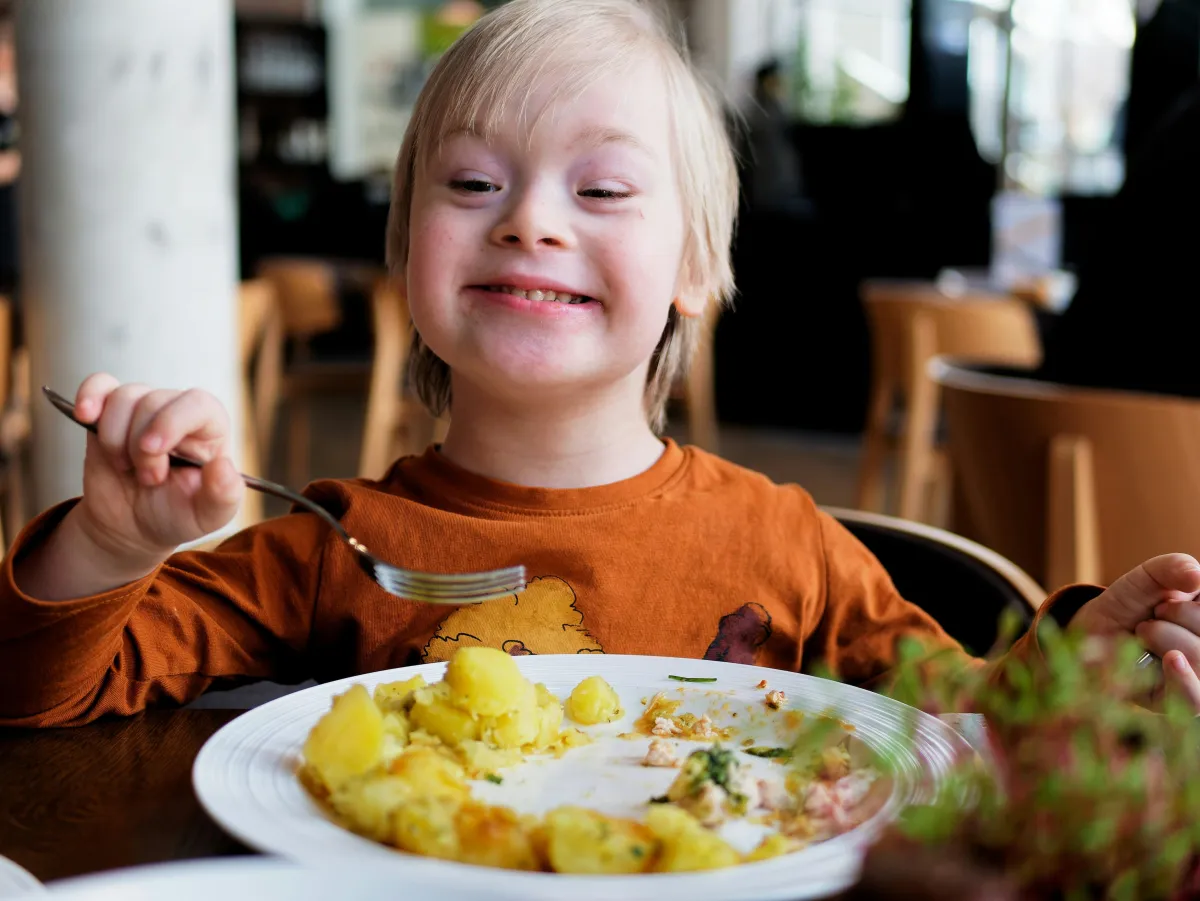
prepare safe meal for kids

Staff Awareness and Ongoing Training

Continuous updates and training are also vital for educators to always pay attention to every small detail that could flare up as an allergic reaction. A robust food allergy policy explains how staff are supported to develop and maintain the skills they need.

This includes ensuring educators understand:

  • Common food allergens and how reactions may present in young children

  • Which children in their care have allergies

  • Early signs of an allergic reaction and when to escalate concerns

Ongoing training is particularly important in environments where relief or newly onboarded educators may be involved in daily care.

Emergency and Anaphylaxis Procedures

Even with strong prevention measures, allergic reactions can still occur. In that case, clear procedures help ensure calm and effective response to address problems in time.

A comprehensive policy explains:

  • How allergic reactions are identified

  • The immediate steps educators must take

  • Where emergency medication and action plans are stored

  • How families are contacted during and after an incident

Knowing that these procedures are documented, accessible, and practised provides meaningful reassurance for parents.

What Parents Can Look For When Choosing A Childcare Centre

When researching or visiting a childcare centre, it is helpful to observe how food allergy management is discussed and demonstrated in practice. Although it’s best to see transparent procedures, every now and then there are often unspoken rules that you need to find out before enrolling.

Positive signs often include:

  • A written food allergy policy that is available to families

  • Educators who can clearly explain daily allergy management procedures

  • Consistency between documented policies and what you observe in the environment

Parents should feel comfortable asking questions. Centres that prioritise safety and quality care generally welcome open and transparent conversations.

Helpful Questions To Ask

  • How are food allergies managed during meals and snacks?

  • How do childcare providers schedule meal plans everyday to avoid allergic reactions?

  • How do educators stay informed about my child’s allergy?

  • How are incidents or near misses communicated to families?

Common Red Flags Parents Should Be Aware Of

While many centres aim to manage food allergies responsibly, certain warning signs may indicate gaps in practice.

These include:

  • Policies that are vague, outdated, or difficult to access

  • Educators who appear unsure about allergy procedures

  • Inconsistent approaches between rooms or staff members

  • Limited or unclear communication with families

Trusting your instincts is important. If something feels unclear or inconsistent, it is reasonable to seek further explanation or explore alternative options.

Working in Partnership With Your Childcare Centre

The safest outcomes for children are achieved when families and educators work together. When it comes to children safety, both parties should play vital roles to minimise food allergies risk, therefore strengthening food allergy prevention in childcare.

Transparency and ongoing Communication: High quality childcare environments place strong emphasis on transparency. Regular updates, clear processes, and a willingness to discuss concerns all contribute to trust and long term confidence for families.

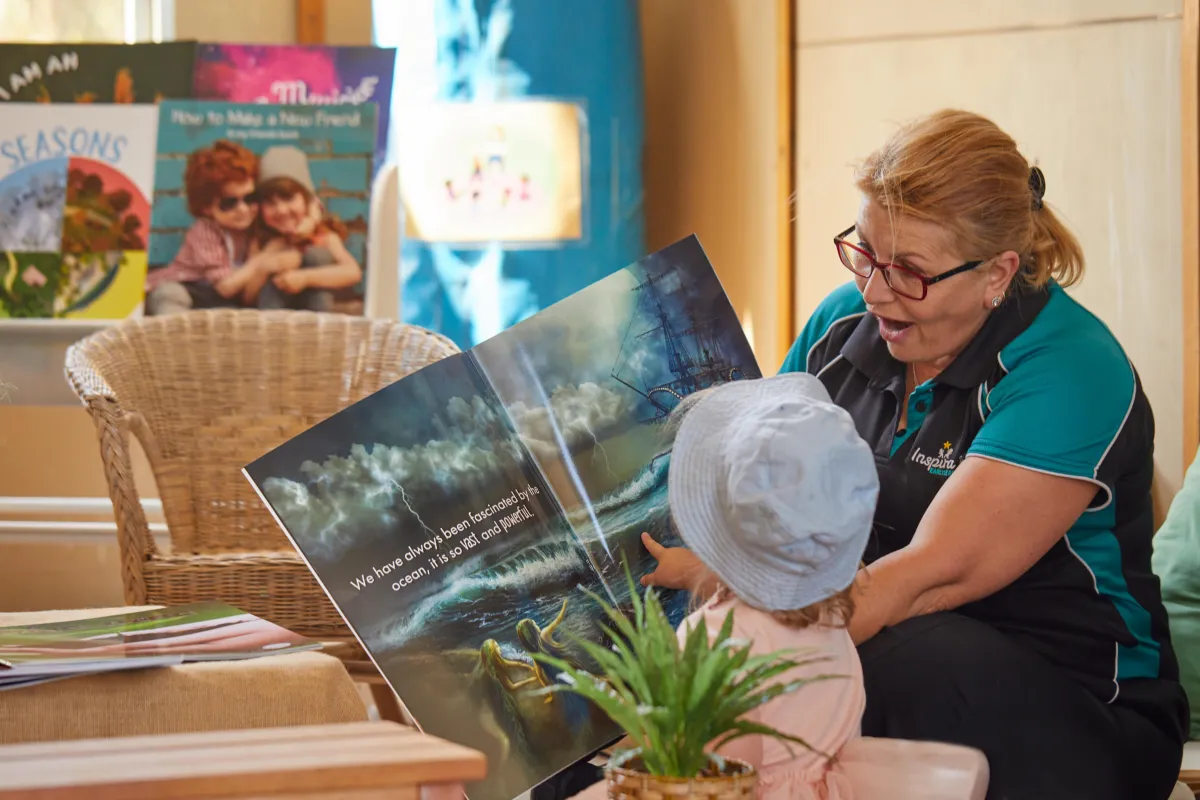
At Inspira Kids’ facilities, parents are welcome to book a tour and observe safety procedures appear in everyday activities, seeing how educators support every child’s needs while ensuring nutritious meals are delivered everyday. Visiting the childcare environment helps families understand how thoughtfully planned activities nurture confidence, development, and a sense of security within the school ambience.

food safetyfood allergyfood safety policysafety in childcare
Back to Blog

© 2023 Inspira Kids - All Rights Reserved

Inspira Kids

© 2023 Inspira Kids - All Rights Reserved