
Our Insights
Understanding Your Child Better
Our Insights
Understanding Your Child Better
Our Blog
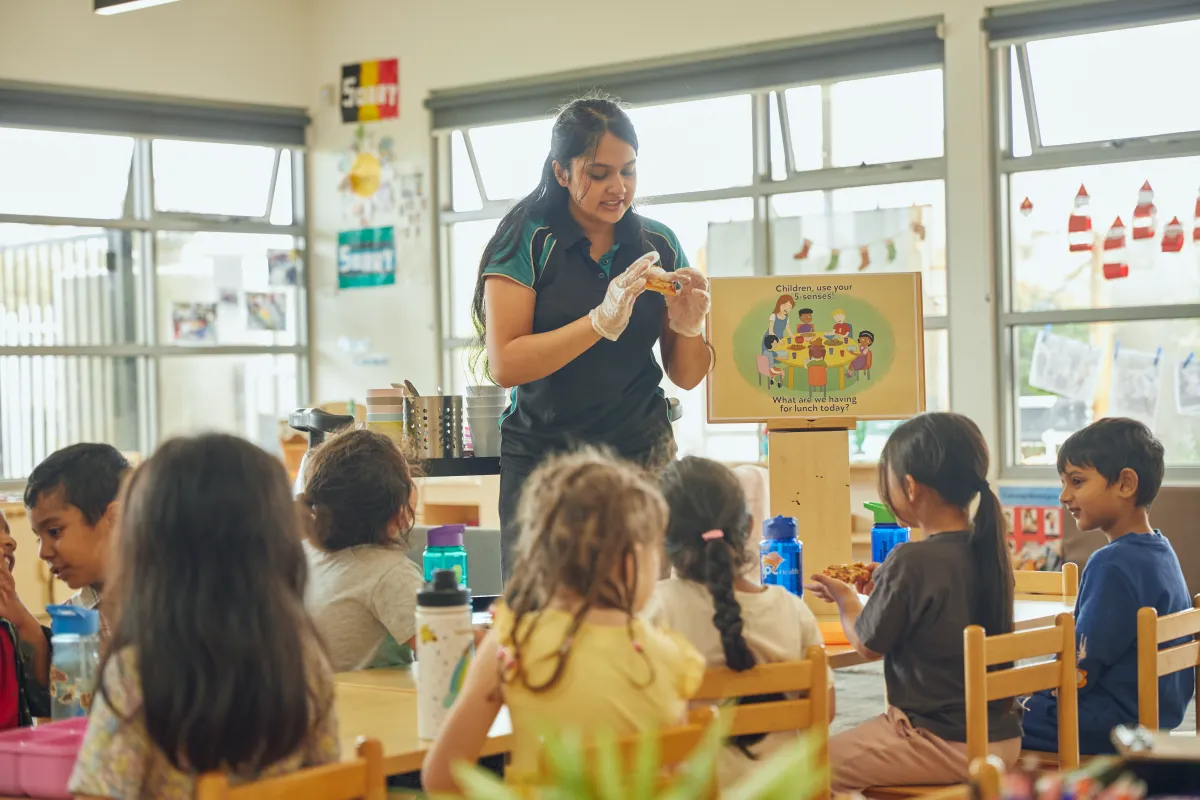
How a Learning Environment in Childcare Supports Growth
A safe learning environment is the foundation of a child’s early development. In childcare, safety is not defined only by supervision, policies, or physical protection. It is also reflected in how children are cared for, how consistent their daily experiences are, and whether they feel secure, respected, and supported throughout the day.
For young children, feeling safe is closely connected to their ability to explore, communicate, and learn. When a childcare environment supports both physical safety and emotional wellbeing, children are more likely to engage confidently with their surroundings, form positive relationships, and develop healthy learning behaviours over time.
This article aims to help parents understand what a safe environment in childcare truly means. By looking beyond facilities and routines, it explains how safety, wellbeing, and care are embedded into everyday practices, educator interactions, and learning spaces. With this understanding, families can feel more confident and reassured when choosing a childcare environment that supports their child’s growth.
What Is a Safe Environment in Childcare?
In early childhood education, a safe environment in childcare is widely understood as one that supports children’s physical safety, emotional wellbeing, and sense of belonging. Safety is not a single feature or checklist, but a combination of thoughtful practices that shape how children experience care and learning each day.
In practice, a safe childcare environment includes spaces designed to suit children’s ages and abilities, along with clear and consistent routines that help children understand what to expect. Predictability plays an important role in helping children feel settled, reducing anxiety and allowing them to participate confidently in play and learning.
Emotional safety is equally essential. Children need to feel listened to, comforted, and respected, particularly during moments of uncertainty or transition. When educators respond calmly and consistently, children develop trust, which supports emotional regulation, confidence, and positive behaviour. This sense of security allows children to explore and interact without fear or pressure.
A safe childcare environment also reflects a shared culture of care and responsibility. Educators work collaboratively to maintain safe practices, communicate openly with families, and respond attentively to individual needs. Rather than being defined by rules alone, safety becomes part of everyday practice, shaping children’s experiences of care, learning, and relationships.

Why a Safe Environment Is Essential in Early Childhood
During the early years, children’s learning and development are strongly influenced by how safe they feel in their environment. A safe environment in childcare provides the physical and emotional security children need to explore, build relationships, and engage meaningfully with learning.
A safe childcare environment supports early development in several important ways:
Supports healthy brain development: Feeling safe helps children manage stress and remain emotionally regulated, creating positive conditions for learning and development.
Builds emotional security and confidence: When children feel cared for and protected, they are more willing to try new experiences, express themselves, and develop independence.
Encourages positive learning behaviours: Children who feel secure are more likely to engage in play, problem-solving, and social interaction without hesitation.
Promotes self-regulation and positive behaviour: Consistent routines and supportive guidance help children understand expectations and develop appropriate ways to manage emotions.
Strengthens trust between families and educators: A visibly safe and caring environment reassures families and supports strong partnerships between home and childcare.
Key Elements of a Safe Childcare Environment
A safe childcare environment is built through many small but important details working together each day. While physical safety measures are often the most visible, true safety also includes emotional support, consistency, and inclusive practices that help every child feel valued.
Below are key features that contribute to a safe environment in childcare and that parents may look for when choosing a setting for their child.
Physical safety
Physical safety forms the foundation of a safe childcare environment, allowing children to move, play, and explore with confidence.
Key aspects include:
Age-appropriate furniture, equipment, and learning materials
Safe indoor and outdoor play areas with clear supervision
Regular hygiene practices and consistent cleaning routines
Clear emergency procedures and first-aid readiness
Secure entry and exit processes with appropriate supervision
These measures help minimise risk while supporting children’s freedom to learn and play safely.
Emotional safety
Emotional safety supports children’s ability to settle, participate, and build confidence within the childcare setting.
A supportive emotional environment includes:
Warm, responsive interactions between educators and children
Children feeling listened to, comforted, and respected
Predictable daily routines that provide reassurance
Positive behaviour guidance focused on support rather than punishment
When children feel emotionally secure, they are more likely to communicate openly, manage emotions effectively, and form positive relationships.
Cultural safety and inclusion
A safe childcare environment recognises and respects the diversity of children and families within the community. Cultural safety supports a child’s sense of identity and belonging.
Key elements include:
Inclusive learning materials that reflect a range of cultures and experiences
Respect for family values, languages, and traditions
Educator awareness of bias and commitment to inclusive practice
Environments where every child feels welcomed and accepted
Cultural safety plays an important role in helping children feel seen, valued, and confident in who they are.
How Quality Childcare Centres Maintain Safety Every Day
Safety in childcare is not something addressed once and then overlooked. In high-quality settings, safety is maintained through daily routines, clear communication, and ongoing reflection. It becomes part of how educators work together to support children’s wellbeing.
Quality childcare centres maintain safety through consistent practices such as:
Clear routines and active supervision: Daily routines provide structure and reassurance, while consistent supervision supports children’s safety during play, learning, and transitions.
Strong staff communication and teamwork: Educators share information about children’s needs and wellbeing, ensuring continuity of care and shared responsibility.
Ongoing observation and responsiveness: Children’s behaviour and engagement are closely observed, allowing educators to respond promptly and adjust practices when needed.
Regular review of safety procedures: Hygiene routines, emergency responses, and safety practices are reviewed and practised to remain effective and appropriate.
Commitment to continuous improvement: High-quality centres reflect on their practices and make ongoing improvements to support children’s safety and wellbeing.
How Inspira Kids Supports a Safe Learning Environment
At Inspira Kids, a safe learning environment is supported through everyday practices that prioritise children’s wellbeing, comfort, and sense of security. Safety is embedded into routines, relationships, and learning spaces to help children feel protected and confident as they grow.
This includes:
Consistent daily routines that provide predictability and reassurance
Warm, responsive educator–child interactions that support emotional safety and trust
Carefully designed indoor and outdoor environments suited to children’s ages and abilities
Program-led learning, including the C.O.R.E Literacy Programme, which supports communication and early literacy through play and everyday interactions rather than formal instruction
Alignment with recognised standards and frameworks, including Child Safe Standards and National Quality Standard (NQS) requirements related to children’s safety, health, and wellbeing
Through these practices, Inspira Kids aims to create a nurturing environment where children feel supported to explore, learn, and develop with confidence.

What Parents Can Look For When Choosing a Safe Childcare Environment
Choosing a childcare environment can feel overwhelming, particularly for families making this decision for the first time. Looking beyond facilities and schedules, parents can focus on how safety is experienced in everyday moments.
When visiting or researching a childcare centre, parents may consider:
How comfortable and engaged children appear throughout the day
The way educators communicate with and respond to children
Whether routines are clear, calm, and consistent
The cleanliness and organisation of learning spaces
How openly the centre communicates with families
Whether the environment feels respectful of their child’s background and personality
Final Thoughts
A safe environment in childcare goes beyond policies or procedures. It is reflected in how children feel each day, how they are supported, and how confidently they are able to explore, learn, and connect with others.
For parents, understanding what contributes to a safe childcare environment can bring reassurance when making this important decision. Observing daily interactions, asking questions, and considering how a centre supports children’s wellbeing can help families find a setting that feels right.
Every child is unique, and no single environment suits all children in the same way. What matters most is choosing a place where children feel respected, supported, and safe to grow at their own pace in a caring and nurturing environment.