Sensory Play For Preschoolers: Benefits And Simple Activity Ideas
Sensory Play For Preschoolers: Benefits And Simple Activity Ideas
In early childcare settings, sensory play for preschoolers is often encouraged, as it gives children opportunities to investigate the world through touch, sight, sound, smell, movement and awareness of body position – one of the most powerful tools to collect information about the world.
The value comes from what children notice, compare, predict and communicate while interacting with the materials. By exposing children to sensory play, educators can understand more about the world through children’s lenses, which is essential for curating learning experiences for them.
What Is Sensory Play?
Sensory play is an everyday form of exploration rather than a special category that always requires elaborate materials. Water, playdough, fabric, music, movement, light, sand, natural objects and sealed sensory bags can all create sensory experiences when children are free to investigate safely.
The Raising Children Network suggests preschool play materials with different sensory properties, including fabrics, dirt, water, paint and playdough, and recommends adapting activities for children who need additional support. This is a useful reminder that sensory play should be flexible, not requiring every child to engage in the same way.
How Sensory Play May Support Preschool Development
Sensory play can give children concrete information to compare. When a child pours water between two containers, they see the water level change, feel the weight shift in their hands, and decide whether a funnel or a scoop will work better. The adult can introduce words such as full, empty, heavy, light, more and less while the child tests ideas.
Activities can also support hand and finger control as well as problem-solving. A child pressing tools into playdough decides how much force to use, notices the mark left behind and changes the tool or pressure if the result differs from what they expected. Learning comes from this cycle of action, noticing, and adjustment.
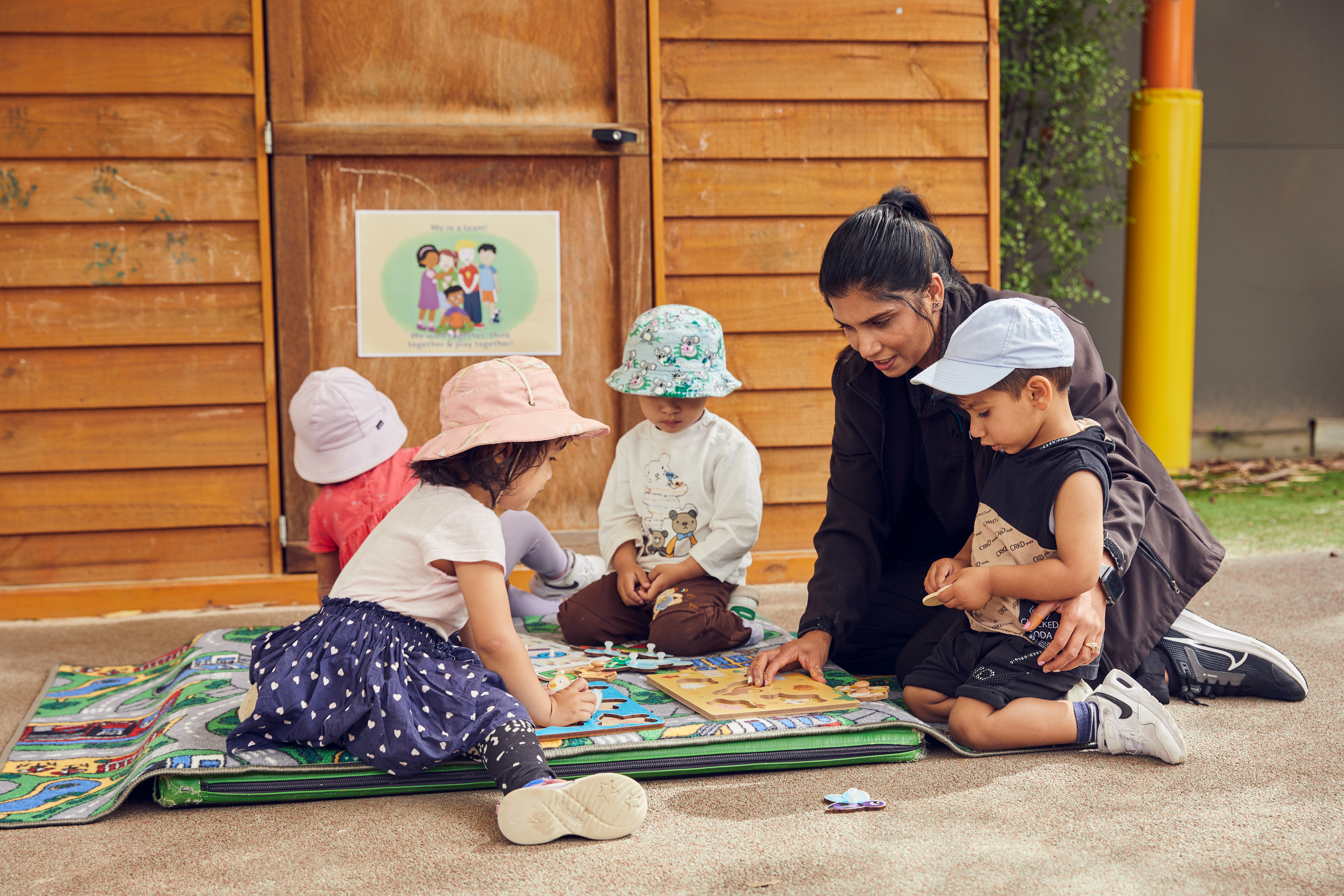
Sensory experiences can also support communication between children when they compare observations or share materials.
10 Sensory Play Activities For Preschoolers
Sensory play does not need complicated settings for a successful learning session. Instead, it can be simple, adaptable and based on everyday materials. The following activities offer different ways for preschoolers to explore texture, sound, movement, temperature and visual change while allowing adults to adjust the experience to each child’s comfort and needs.
1. Texture Sorting Tray
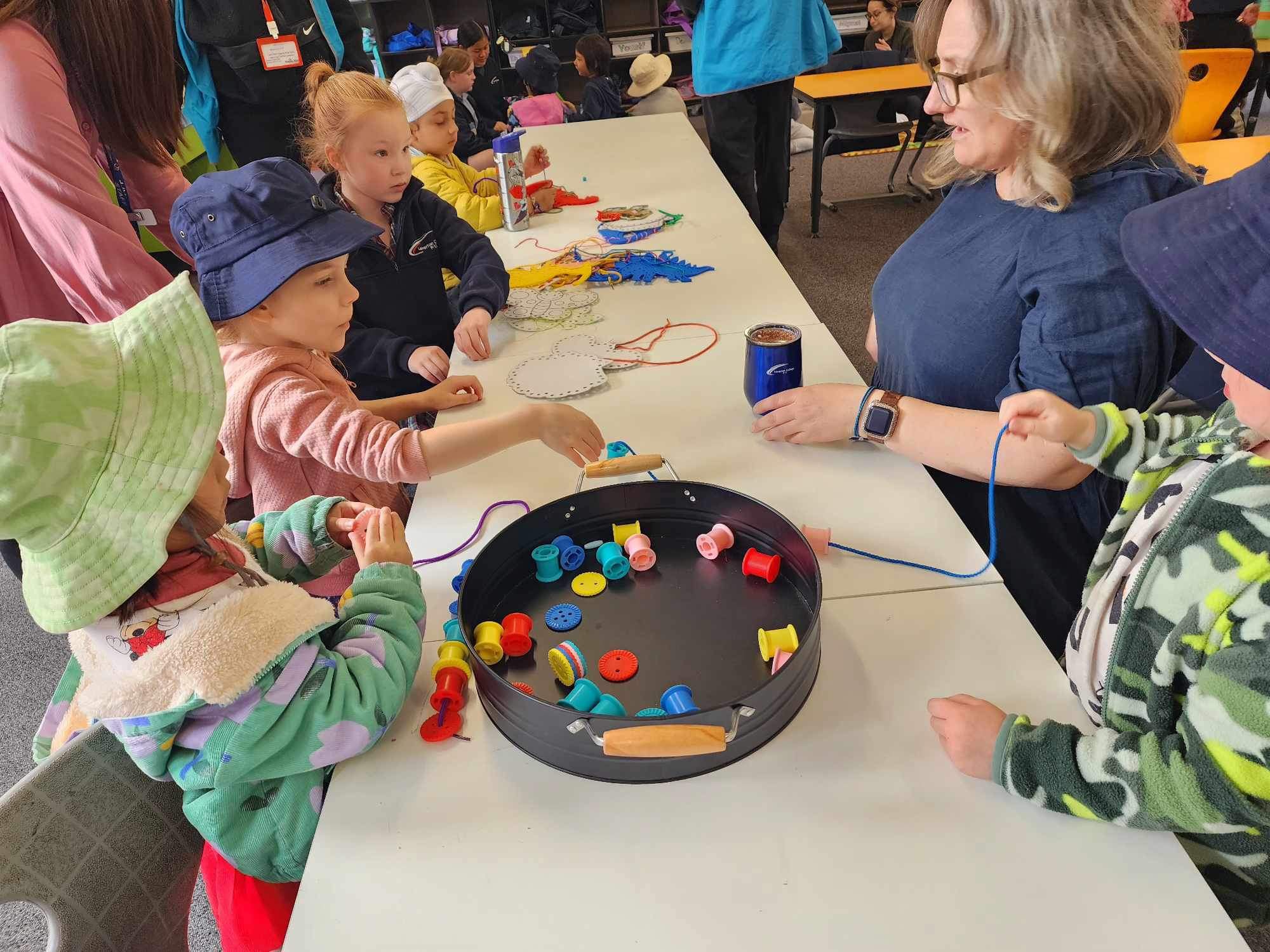
Offer a small collection of large, safe materials with different textures, such as smooth fabric, felt, sponge, corrugated cardboard, ribbon or large natural objects that have been checked to avoid sharp edges and other hazards.
Children can sort, match or describe the materials in their own way, then let children decide which pieces feel similar. Check every item for choking, allergy, sharp-edge and hygiene risks before use.
2. Water Pouring Station
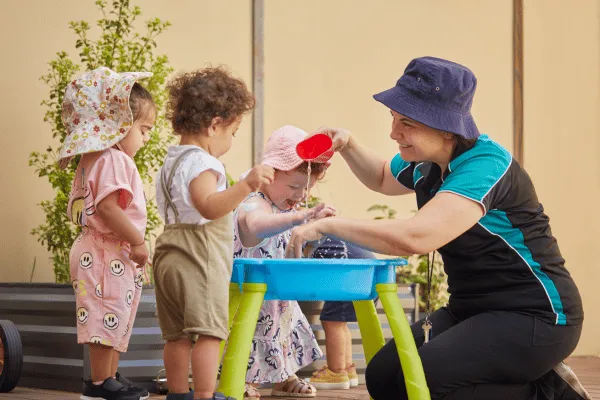
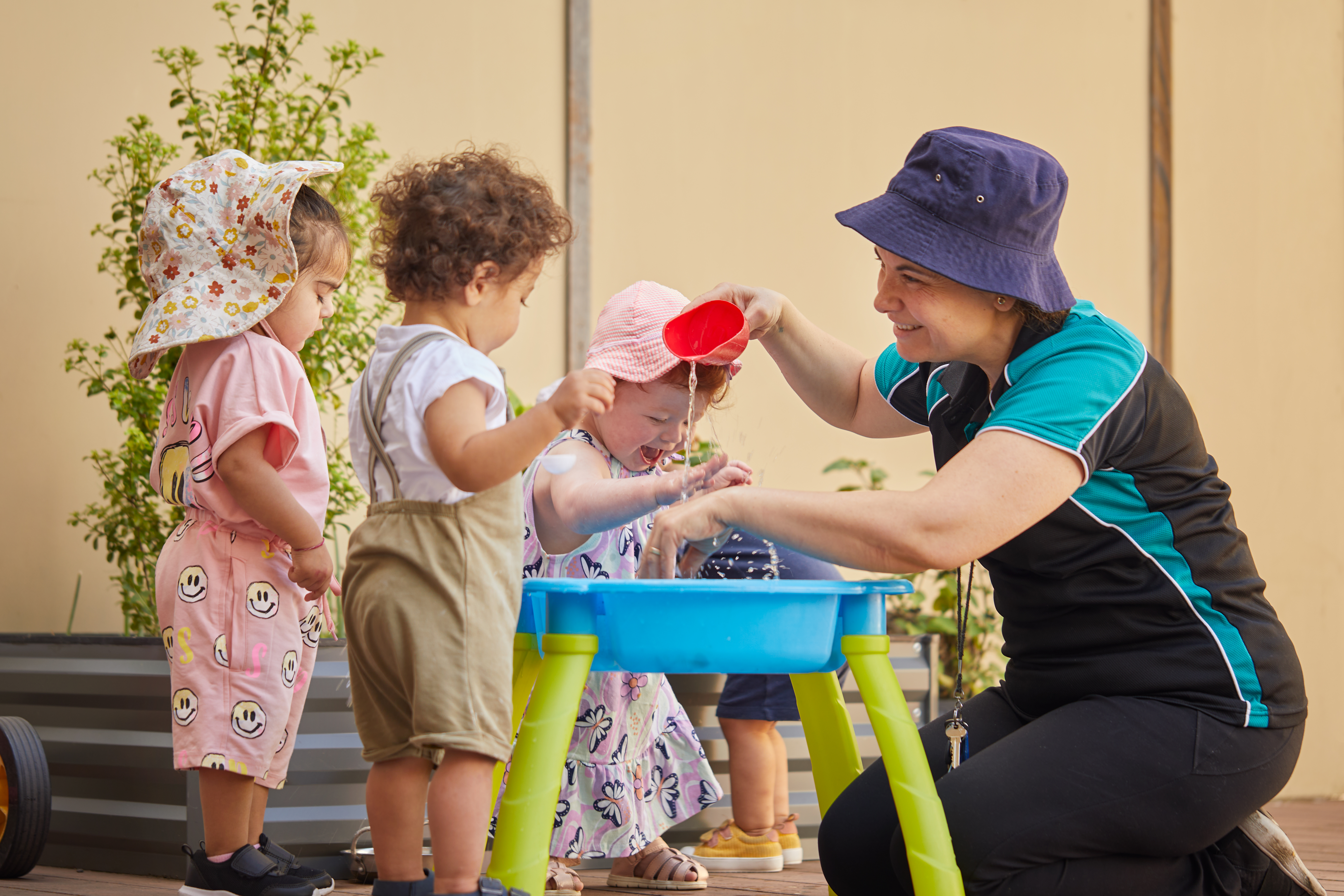
Use shallow containers with cups, scoops, funnels and sponges. Children can transfer water from different holders, pour and compare, noticing which tools move water quickly and which require more control.
An adult might ask, “What do you think will happen if we use the smaller cup?” and then allow the child to test the idea.. Water activities require constant adult supervision, and containers should be emptied immediately after the experience.
3. Playdough Tool Table
Provide playdough with rollers, stamps, safe cutters, blunt tools or natural items for making impressions. Children can roll, press, pinch, flatten, join and reshape the material, creating their own designs rather than copying one model.
These actions require finger strength and coordination while also encouraging planning and descriptive language. Adults can notice the child’s process: “You pressed harder, and the mark became deeper.”
With this material, always check ingredients for allergies, use non-toxic materials and monitor children closely to prevent accidentally eating.
4. Herb And Scent Exploration
Where centre policies and allergy checks allow, offer safe herbs such as mint, rosemary or basil. Children can look closely, touch gently and smell from a comfortable distance, then compare leaf shapes, textures and scents.
No child should be asked to smell something closely if they are uncomfortable, and strong fragrances may not suit children who are sensitive to smell. Do not invite children to taste unidentified plants, and avoid essential oils unless the service has appropriate policies and risk assessment.
5. Nature Sensory Walk
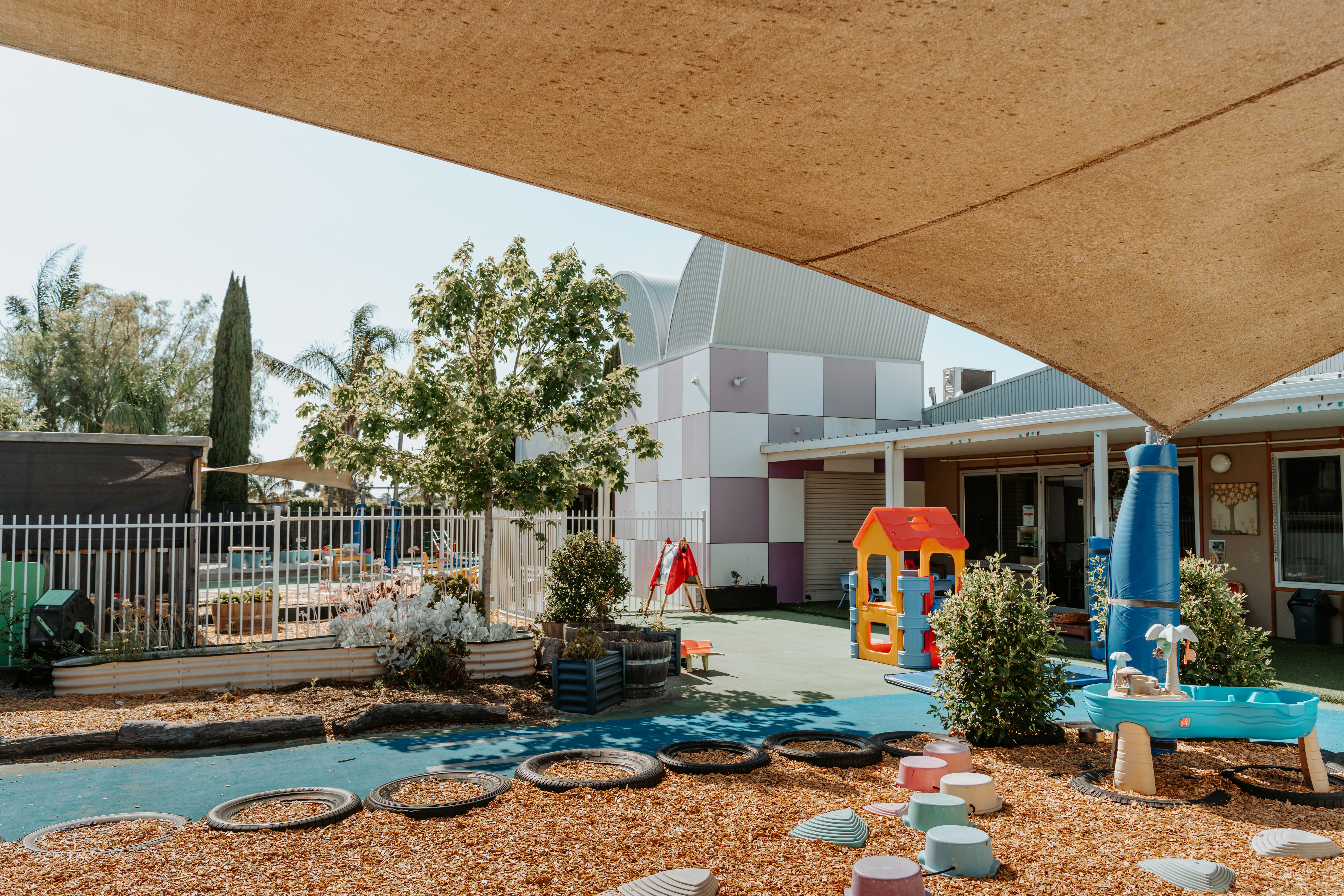
Take a short walk through a garden or outdoor area and invite children to notice wind, shadows, bird sounds, leaf movement, changing light and different surfaces under their shoes. A prompt such as, “What can you hear from here?” can help focus attention without turning the walk into a checklist.
The experience does not require collecting leaves or damaging plants. Children can observe in place, compare two areas and draw or talk about what they noticed later. Follow sun-safety procedures, stay within clear boundaries and respect outdoor spaces.
6. Sound-Matching Containers
Prepare pairs of fully sealed containers that make different sounds when moved. You can put different objects into the containers, such as small rocks, coins, torn rags, etc. Children can shake them gently, compare the sounds and try to find matching pairs.
Use words such as loud, soft, fast, slow, high and low as children explain what they hear. The containers must not open, and any contents inside must be inaccessible. For children sensitive to noise, offer the activity individually, reduce the volume or allow them to watch without joining.
7. Ice And Warm Water Investigation
Place ice and cool water alongside comfortably warm water under close adult control. Children can watch melting, compare temperatures and predict which conditions will change the ice more quickly.
The adult should check all temperatures before children participate and supervise continuously. Children should never be asked to keep touching a material that feels uncomfortable, and the water must be warm, not hot or boiling at any point. The purpose is observation and comparison, not testing how much temperature difference a child can tolerate.
8. Sand Or Centre-Approved Mark-Making Tray
Use clean sand or another centre-approved non-toxic material in a shallow tray. Children can draw lines, patterns, shapes, letters from their names or story pictures with fingers or safe tools.
This can support hand control, visual tracking, pattern-making and symbolic expression. Where food-based materials conflict with allergy, hygiene, cultural, sustainability or service-policy considerations, choose a non-food alternative rather than assuming flour or grains are necessary for sensory play.
9. Fabric And Material Collage
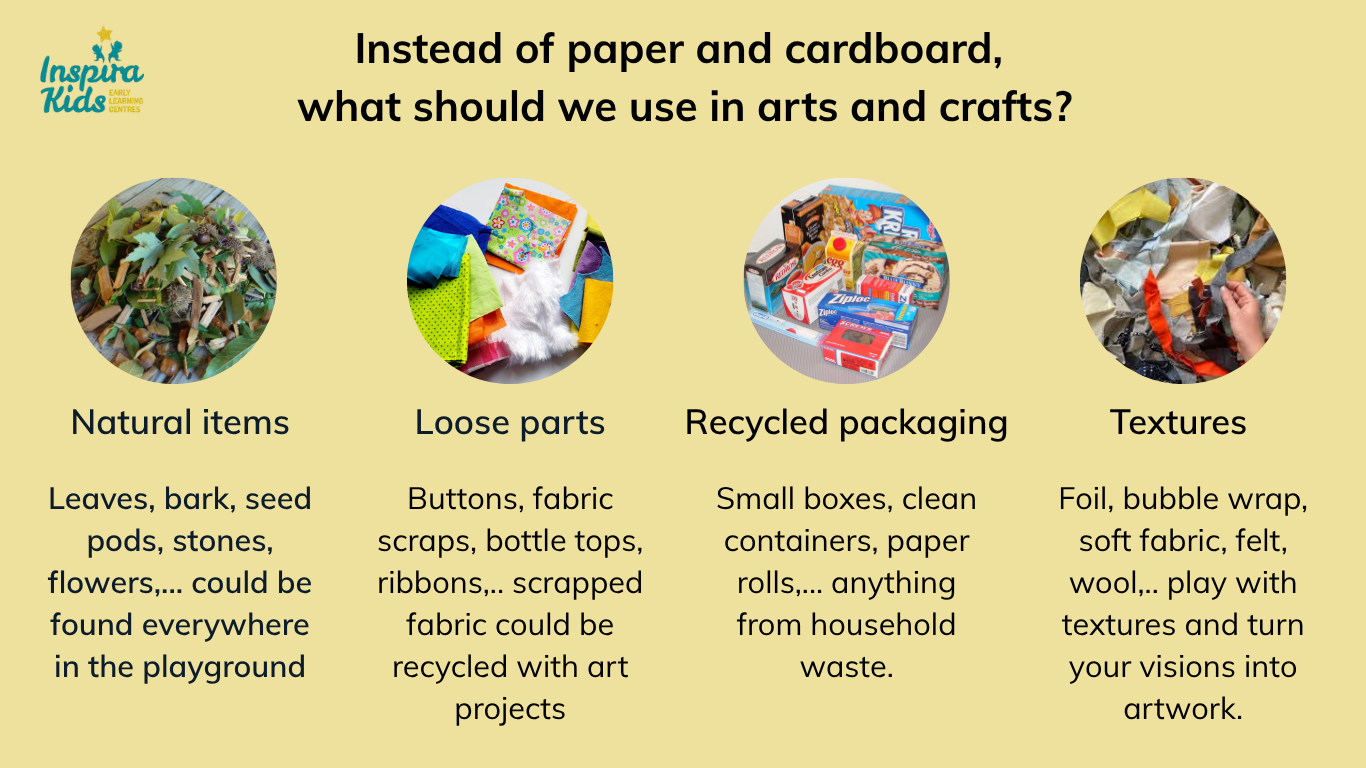
Offer large pieces of fabric, paper, foil, felt, ribbon and cardboard. Children can layer, arrange and compare the materials before deciding whether and how to attach them using age-appropriate methods. Through collage art, children not only learn how to patch different patterns, but also develop their artistic skills using simple materials.
The activity combines texture, visual contrast, design and open-ended representation. A child may group materials by feel, build a picture or create an abstract arrangement. Avoid tiny loose pieces, long cords, staples and materials with sharp edges.
10. Mess-Free Sensory Bags
Place a suitable non-toxic material such as washable paint or gel inside a durable bag that is fully sealed. Children can press, move, trace, and observe the material without direct skin contact. Position sensory bags as a valid choice – and at Inspira Kids, stuffed animals are also used as sensory resources across different play areas.
If you prepare sensory bags, inspect the bag continuously for leaks or damage, supervise the activity and avoid any filling that would be dangerous if the bag opened. Hygiene is also important and should always be prioritised; after play, educators should inspect and determine if they need a little wash to avoid cross-contamination.
How Adults Can Guide Sensory Play
Good sensory play does not require adults to stay silent, but constant instruction could be too much to follow. Begin by making the safety expectations clear, then watch what the child does before deciding whether to add language, a question or a new material.
Specific comments can be more useful than praise alone: “You used the funnel after the cup spilled,” or “You put the rough materials together.” These statements connect language with the child’s decision. Questions such as “What changed?” or “What could you try next?” can extend thinking when the child is already engaged.
If children take the activity in an unexpected but safe direction, adults can consider whether that new direction is worth following. Sensory play is often most useful when children can compare, repeat and revise rather than work toward one identical product.
What to Do If Children Don’t Engage in Sensory Play?
Some children dislike particular textures, sounds, smells, temperatures or group experiences. Adults can offer alternatives such as tools instead of direct touch, a sealed sensory bag instead of loose material, a quieter sound activity or a smaller group.
Give children time to watch before joining and allow them to stop. Do not require a child to touch, smell, taste, sing, perform or complete an activity in one fixed way. Sometimes the classroom could be too overwhelming from shouting and excitement; that is when educators step in and redirect children to a quieter area to regain composure.
If families or professionals are already supporting a child with specific sensory needs, educators should follow agreed guidance rather than treating everyday sensory play as therapy.
Sensory Play Safety
Sensory activities should be planned with the same care as any other preschool experience. The material may look simple, but water, small objects, allergens and temperature can create real risks.
Supervise all sensory activities and use constant adult supervision for water.
Check materials for allergies, skin sensitivity, hygiene concerns and sharp edges.
Avoid accessible choking hazards and inspect sealed containers or bags for damage.
Use non-toxic, age-appropriate materials and clean reusable resources properly.
Adults must always check temperatures before children participate
Avoid unidentified plants and do not use essential oils without appropriate service policies and risk assessment.
Stop or adapt the activity when a child shows discomfort or asks to finish.
At Inspira Kids, sensory play is an everyday educational experience, not a substitute for professional sensory assessment or occupational therapy. When there are ongoing concerns about a child’s responses to sensory input, families should seek advice from an appropriately qualified professional.
Sensory Play As The Body Approach At Inspira Kids
Following the Body pillar, sensory play at Inspira Kids is well-prepared: every material is carefully sourced to ensure a healthy environment for learning, which ensures hygiene protection for different sensory activities. This is one of the strengths of Inspira Kids, weaving this activity into Reggio Emilia-inspired environments and Habits Of Mind, including gathering information through the senses.
Choice, inclusion, supervision and educator guidance remain central. Families can arrange a tour at their nearest Inspira Kids centre to see how open-ended play and inquiry are supported in the everyday environment
Frequently Asked Questions about Sensory Play
1. Does Sensory Play Have To Be Messy?
No. Sensory play can include sound games, fabric, movement, nature walks, light, water pouring or sealed bags. The defining feature is active exploration through the senses, not the amount of mess.
2. Does Every Sensory Activity Need To Use All Five Senses?
No. A useful activity can focus mainly on one or two sensory systems, such as touch during texture sorting or listening during a sound-matching game.
3. What If A Child Does Not Want To Touch The Material?
Do not force participation. Offer tools, gloves where appropriate, sealed alternatives, observation or another activity. Children can engage in different ways and may choose to approach the material later.
4. Is Sensory Play The Same As Sensory Therapy?
No. Everyday sensory play is an educational play experience. Sensory assessment or therapy is a professional service for individual needs and should be provided by appropriately qualified practitioners.